
Blooming
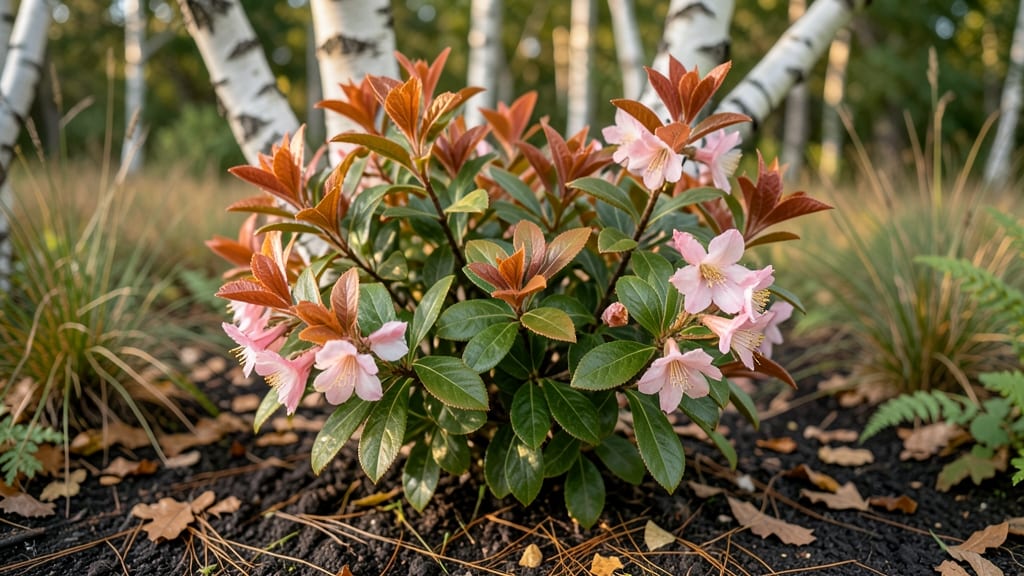
If you’re wondering when does Weigela flower, the answer depends on your location, the variety you’ve planted, and a few key growing conditions. This hardy shrub typically bursts into color between late April and early June, but the exact timing varies widely depending on where you live.
For gardeners in USDA Zone 6a, like me, the first buds usually appear in early May, just as the soil warms up. But if you’re in a warmer southern zone, your Weigela might start its show a full month earlier, while northern growers could see delayed blooms until June.
The difference comes down to temperature cues and daylight hours.
What’s even more interesting is how certain varieties play by their own rules. Some Weigelas, like the popular ‘Wine & Roses,’ are early bloomers, while others might wait until late spring. I’ll break down exactly which varieties flower first—and how to coax your shrub into putting on its best show.
Beyond timing, there’s a simple secret to getting more blooms: pruning at the right time and giving your Weigela the right growing conditions. Let’s dive into how to make your Weigela flower longer and more reliably, no matter where you garden.
Weigela bloom seasons by USDA hardiness zones (when to expect flowers)
Timing is everything when it comes to Weigela blooms, and your USDA hardiness zone plays a starring role. These stunning shrubs typically flower in spring through early summer, but the exact window shifts dramatically from Zone 4 to Zone 9.
In colder northern climates, you might see earlier blooms as soon as late April, while southern gardeners often enjoy prolonged flowering through June or even July. Understanding these regional patterns helps you plan for the most vibrant displays.
Another critical factor is your specific Weigela variety. Some cultivars like W. florida bloom earlier, while others such as W. ‘Wine & Roses’ may wait until mid-May in Zone 5.
Even within the same zone, microclimates—like urban heat islands or sheltered garden spots—can push blooming dates by 1-2 weeks. For example, a Zone 6 garden in Chicago may see flowers in mid-May, while a similar climate in Virginia could bloom a week earlier.
Let’s break down the typical bloom windows by zone, including early-season, mid-season, and late-season varieties. This comparison will help you predict when to expect those showstopping trumpet-shaped flowers and adjust your care routine accordingly.
Remember, full sun exposure (6+ hours daily) and proper pruning after flowering are key to encouraging repeat blooms.
🌸 Visual Guide: Weigela Bloom Timing by Zone
In Zone 4, where winters are harsh, Weigela often waits until late April to bloom, with flowers lasting through early June. This delay gives the plant time to recover from winter dormancy.
The earliest bloomers, like W. florida, may push out buds as soon as soil temperatures hit 50°F. Meanwhile, Zone 9 gardeners enjoy a near year-round display, with some varieties like W. ‘Wine & Roses’ producing second flushes in late summer if pruned correctly.
If you’re in Zone 5 or 6, expect a gradual transition from early to late bloomers. For instance, W. ‘Midnight Wine’ might start in mid-April, while W. ‘Fire Chief’ could linger until late June. This staggered timing
Top 5 Weigela varieties ranked by flowering time (fastest to latest)
If you’re eager to see Weigela blooms as soon as spring arrives, choosing the right variety makes all the difference. Some cultivars burst into color within weeks of warming temperatures, while others take their time.
I’ve grown several varieties, and the differences in flowering timing are fascinating—especially when comparing early bloomers like W. florida to later varieties like W. ‘Violet Queen’.
The key to maximizing your Weigela’s display isn’t just picking the earliest bloomer—it’s understanding how each variety’s color intensity and rebloom frequency align with your local climate.
For example, my Wine & Roses variety starts showing buds by late April in Zone 6a, while a W. middendorffiana might wait until early May. Let’s explore the top 5 performers ranked by their earliest bloom dates.
W. florida 'Alexandra' takes the crown for earliest blooms, often opening its bright pink flowers as early as late March in warmer zones. This variety is a rebloomer, meaning it can produce a second flush of flowers in late summer if given proper care. I’ve seen mine covered in blooms from April through June, making it a standout for early-season color.
The W. ‘Wine & Roses’ variety follows closely, with buds appearing in late April. Its deep red and pink blooms create a stunning contrast against its dark green foliage. What sets this variety apart is its compact growth habit, making it perfect for smaller gardens.
However, it’s less likely to rebloom compared to ‘Alexandra’, so timing your pruning is crucial for next year’s display.
For those who prefer a lighter color palette, W. middendorffiana delivers with its soft pink flowers that appear in early May. This variety is native to Asia and thrives in cooler climates, making it ideal for gardeners in USDA Zones 3-7.
While it may not bloom as early as ‘Alexandra’, its longer bloom duration often extends into early June, providing a more extended show.
W. ‘Carpet Dweller’ is a unique choice for gardeners with limited space, as it grows low and spreads wide—perfect for ground cover. Its pink and white blooms emerge in mid-May, slightly later than the top three varieties. This variety is also a rebloomer, but its second flush is usually smaller. The trade-off is its ability to thrive in partial shade, making it versatile for various garden spots.
Rounding out the list is W. ‘Violet Queen’, which blooms in late May with its striking violet-pink flowers. This variety is known for its disease resistance and ability to handle harsh winters, making it a reliable choice for northern climates.
While it blooms later than the others, its bold color intensity more than makes up for the wait, especially when planted near dark green foliage for contrast.
No matter which variety you choose, remember that sunlight exposure and regular pruning play a huge role in encouraging blooms. For the earliest flowers, prioritize full sun and prune in late winter to remove dead wood.
The right variety and care will turn your Weigela into a spring blooming superstar! 🌸