
Flowers
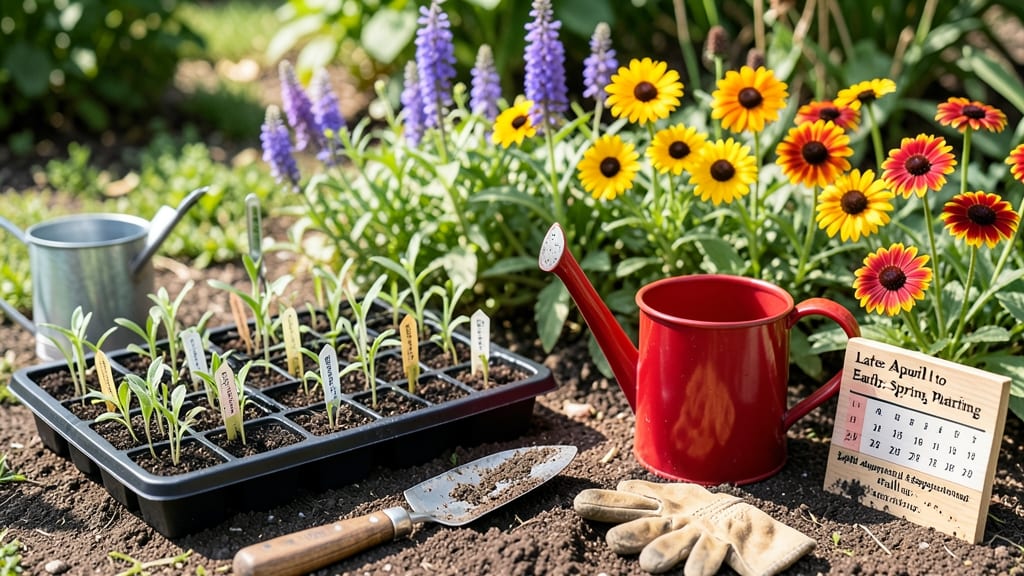
Timing your flower planting in Colorado wrong could mean wilted dreams before the blooms even appear. The best time to plant flowers here isn’t just about the calendar—it’s about your elevation zone, where a 5,000-foot difference can shift your ideal window by weeks.
Most gardeners in Colorado’s USDA Zones 5-7 reach for their trowels in April or May, but that’s only half the story.
Whether you’re in the Front Range foothills or the high mountain valleys, knowing when the last frost passes—and when to adjust for microclimates—is the key to vibrant, long-lasting blooms.
I’ll break down the exact planting deadlines for annuals, perennials, and bulbs, tailored to your elevation. From tulips in March to coneflowers in June, you’ll learn when to start seeds, transplant seedlings, and even why a September planting can set you up for stunning fall color.
Skip the guesswork and get the precise timing to make your Colorado garden thrive—no matter where you live in the state.
Colorado flower planting calendar by elevation zone: exact deadlines for each microclimate
Colorado’s elevation zones create unique gardening challenges. At 3,000 feet, your last frost might be April 15, while at 8,000 feet, frost lingers until June 1.
These differences mean annuals like petunias thrive in lowlands but struggle in mountain gardens. Understanding your elevation’s planting windows ensures your flowers bloom when they should—and survive Colorado’s unpredictable weather.
Lowland gardens (3,000–5,000 ft) in cities like Denver or Colorado Springs offer longer growing seasons, while foothills (5,000–7,000 ft) face earlier frosts. Mountain regions (7,000+ ft) demand cold-hardy varieties and later starts.
Below, I’ve mapped out exact deadlines for planting annuals, perennials, and bulbs in each zone, including soil prep tips and frost-avoidance strategies.
Key takeaway: Plant bulbs in fall (September–October) for spring blooms, but adjust timing based on your elevation. For example, tulips in Fort Collins (5,000 ft) need 6 weeks of chilling, while Leadville (10,000 ft) varieties require 8+ weeks.
For lowland gardens, start cool-season annuals like pansies in March to beat heat stress. In foothills, delay warm-season plants like tomatoes until after May 15 to avoid late frosts. Mountain gardeners should prioritize cold-hardy perennials like yarrow or sedum, which tolerate short growing seasons.
Pro tip: Use frost cloth to extend your planting window by 2–3 weeks in all zones. For example, in Denver (5,280 ft), I’ve successfully planted calendulas in late April under frost protection, giving them a 6-week head start before summer heat arrives.
Bulbs are a game-changer for Colorado gardens. Plant tulips and daffodils in September–October at low elevations, but wait until October–November in mountain regions. The 60-day chilling requirement for many bulbs means timing is critical—plant too early, and they’ll rot; too late, and they won’t bloom.
Perennials like black-eyed Susans and bee balm can be planted anytime in spring after the last frost, but fall planting (August–September) gives roots time to establish before winter. In high-altitude gardens, I’ve found that dividing perennials in early spring (before April 15) reduces transplant shock.
Don’t forget fall planting for cool-season crops like pansies and sweet alyssum. These thrive when planted in August–September and bloom until first frost. In Colorado Springs (6,000 ft), I’ve seen pansies survive until November 15 with proper mulching and evening watering.
To track your local frost dates, check the Colorado Climate Center or use a frost calendar app. For example, Grand Junction (4,500 ft) has a 100-day frost-free season, while Aspen (8,000 ft) only has 60 days. Adjust your planting schedule accordingly—<
How Colorado’s microclimates affect flower success: 5 critical factors beyond elevation
Your neighbor might swear by planting petunias in early May, but if you’re just 1,000 feet higher, those same flowers could freeze overnight. Colorado’s microclimates create wildly different growing conditions—sometimes just yards apart. While elevation sets the baseline, these five hidden factors determine whether your flowers thrive or fizzle.
Even in the same USDA Zone 6, a north-facing slope could delay your last frost by two weeks compared to a south-facing yard. Meanwhile, afternoon sun intensity at 7,000 feet burns delicate blooms faster than at 5,000 feet.
Ignoring these variables means your tulip bulbs might rot in cold, wet soil while your coneflowers wilt from afternoon heat stress.
- 🌡️ Soil Temperature Lag: High-elevation soils stay 10°F colder than lowland areas. Test with a soil thermometer—wait until 50°F+ before planting heat-loving marigolds.
- 🌬️ Wind Exposure: Open mountain gardens lose 30% more moisture via wind. Use windbreaks or choose drought-tolerant lavender for exposed sites.
- ☀️ Afternoon Sun Intensity: High-altitude sun is 15% stronger—shade-loving impatiens may scorch. Plant them under eaves or in partial shade.
- ❄️ Late Frost Windows: Foothills can get May frosts while valleys are frost-free. Monitor local frost alerts and use frost cloth for tender annuals.
- 💧 Drainage Speed: Rocky mountain soil drains 3x faster than clay lowlands. Amend with compost to retain moisture for delphiniums.
Let’s say you’re planting black-eyed Susans in Denver (5,280 ft). Your neighbor in Golden (5,600 ft) might start seeds in mid-April, but you’ll need to wait until late April—when soil temps hit 55°F—to avoid stunted growth.
The same rule applies to fall planting: September works in Colorado Springs (6,000 ft), but wait until October at 8,000 ft.
Wind is another silent killer. At 7,500 feet, a 15 mph breeze feels like a hurricane to petunia seedlings. I’ve seen entire trays of geraniums blown over in a single afternoon.
Solution? Plant windward rows first to break the gusts, or choose compact varieties like dwarf zinnias.
Don’t forget afternoon sun. In Fort Collins (5,000 ft), the sun’s rays are 20% more intense than in Aspen (8,000 ft), but the UV index spikes higher at altitude.
That means shade-loving begonias need afternoon protection, while sun-worshipping daisies can handle full exposure. Use reflective mulch to diffuse harsh light.
Finally, late frosts can strike anytime before June 1 in Colorado’s mountains. I once lost a $50 flat of impatiens to a May 10 frost in Estes Park (7,800 ft). Now, I harden off seedlings for two weeks longer and keep frost cloth on hand.
For bulbs like tulips, plant them 6 weeks earlier at high elevations to ensure roots establish before winter.