
Planting
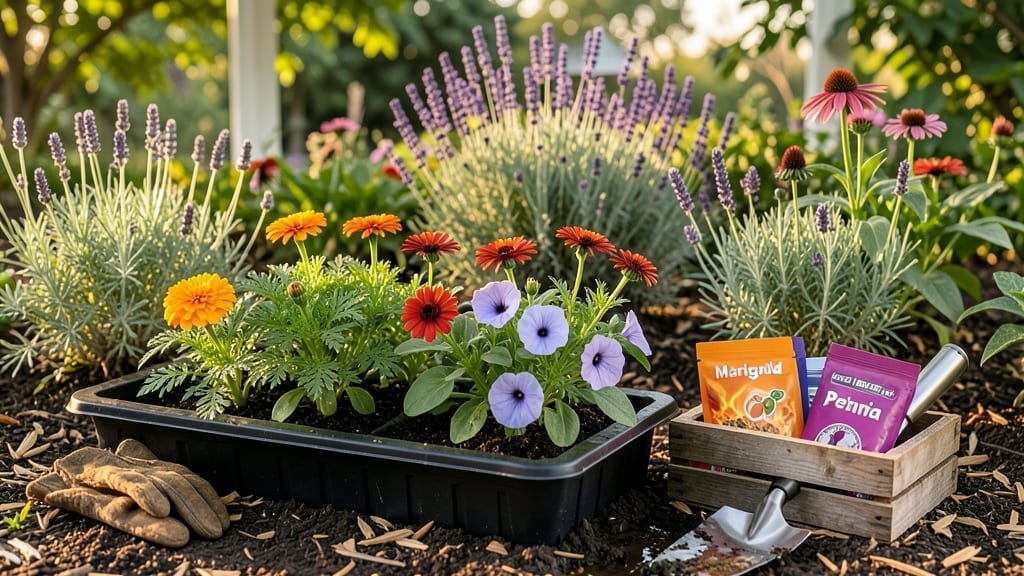
USDA planting zones: when to plant flowers by climate region
Understanding your USDA planting zone is the first step to creating a thriving flower garden. Each zone—from Zone 3’s harsh winters to Zone 11’s tropical heat—dictates when to plant for optimal growth.
I’ve gardened in Zone 6a for years, and I can tell you: timing makes all the difference between vibrant blooms and wilted disappointment.
For annual flowers, like marigolds or zinnias, the goal is to plant after the last frost date when soil temperatures reach at least 60°F. Meanwhile, perennials and bulbs often thrive when planted in early fall or late winter, giving roots time to establish before extreme weather hits.
Let’s break down the best months for each zone.
Cold-hardy zones (3-5) have shorter growing seasons, so I recommend planting cool-season flowers like pansies or sweet peas in early spring (April-May) or late summer (August-September) for fall blooms. In Zone 3, where winters can drop below -30°F, even hardy perennials like coneflowers need extra care to survive.
| USDA Zone | Last Frost Date | Best Time to Plant Annuals | Best Time for Perennials/Bulbs | Heat-Sensitive Varieties |
|---|---|---|---|---|
| 3-4 | May 1-15 | May-June | Early Fall (Aug-Sept) | Petunias, Geraniums |
| 5-6 | April 15-May 1 | April-May | Late Summer (July-Aug) | Impatiens, Begonias |
| 7-8 | March 15-April 15 | March-April | Early Fall (Sept-Oct) | Coleus, Fuchsia |
| 9-10 | February 15-March 15 | February-March | Winter (Dec-Jan) | Caladiums, Tender Perennials |
| 11 | No Frost | Year-Round (with caution) | Year-Round (seasonal rotation) | Orchids, Hibiscus |
Note: Adjust for microclimates (e.g., urban heat islands or high-altitude gardens).
In warmer zones (9-11), where frost is rare or nonexistent, you can plant year-round with careful planning. I’ve seen gardeners in Zone 10 grow tropical flowers like hibiscus and cannas without winter protection.
However, even in these zones, heat-sensitive varieties like snapdragons need shade during peak summer months to prevent wilting.
For Zone 7 and 8, where I garden, the sweet spot is late winter to early spring for annuals. I always plant pansies in February for early color, followed by sunflowers in April when soil warms up.
Perennials like black-eyed Susans get planted in early fall to establish roots before winter.
In Zone 5 and below, I’ve learned to extend the season by
Best flowers to plant by season: month-by-month guide for year-round blooms
Timing your flower planting by season ensures vibrant blooms all year. Spring brings cool-weather annuals like pansies, while summer thrives with heat-loving marigolds. Fall offers hardy mums, and winter surprises with evergreen hellebores.
Each season has its star performers, but regional climates—like Mediterranean dry spells or desert heat—demand adjustments. Let’s dive into the best flowers to plant each month, tailored to your zone.
For spring planting (March–May), focus on bulbs like tulips and cool-season annuals such as snapdragons. These thrive when soil warms to 50–60°F after the last frost. In summer (June–August), opt for sun-loving zinnias or drought-tolerant lavender, which handle 90°F+ temperatures.
Fall (September–November) is ideal for perennials like coneflowers and pansies, while winter (December–February) rewards gardeners with evergreen flowers like camellias.
| Season | Best Flowers | Planting Time | Notes |
|---|---|---|---|
| Spring | Tulips, Pansies, Snapdragons | March–May (after last frost) | Cool soil (50–60°F); mulch to retain moisture. |
| Summer | Marigolds, Zinnias, Sunflowers | June–August (soil 65°F+) | Drought-tolerant; water deeply 2x/week. |
| Fall | Mums, Pansies, Asters | September–November (6 weeks before frost) | Hardy perennials; protect from early frosts. |
| Winter | Hellebores, Camellias, Winter Jasmine | December–February (mild zones only) | Evergreen; minimal water; mulch heavily. |
In Mediterranean climates, like California’s Zone 9–10, shift planting to fall and winter for cool-season blooms. For example, sweet peas thrive in winter rains, while summer heat prompts planting heat-resistant petunias in early spring.
Desert zones (e.g., Arizona) favor succulent-like flowers like desert marigolds, planted in late winter to avoid summer’s scorching sun.
For annuals vs. perennials, annuals like geraniums offer quick color but require yearly replanting, while perennials like black-eyed Susans return yearly with minimal effort. Pair spring bulbs (e.g., daffodils) with fall-planted perennials (e.g., sedum) to create continuous blooms.
Always check your last frost date—planting too early risks frost damage, while delaying can stunt growth.
Pro tip: Use season extenders like cold frames for early spring or shade cloth for summer heat. For container gardening, choose compact varieties like miniature roses or bachelor’s buttons, and plant them 2–3 weeks earlier than ground plants to warm up faster.
With this month-by-month guide, your garden will bloom nonstop, no matter the season.
Start with one season’s stars, then expand. For example, spring’s tulips pair beautifully with summer’s zinnias—plant bulbs in fall and seeds in early spring for a seamless transition. Happy planting! 🌸