
Flowers
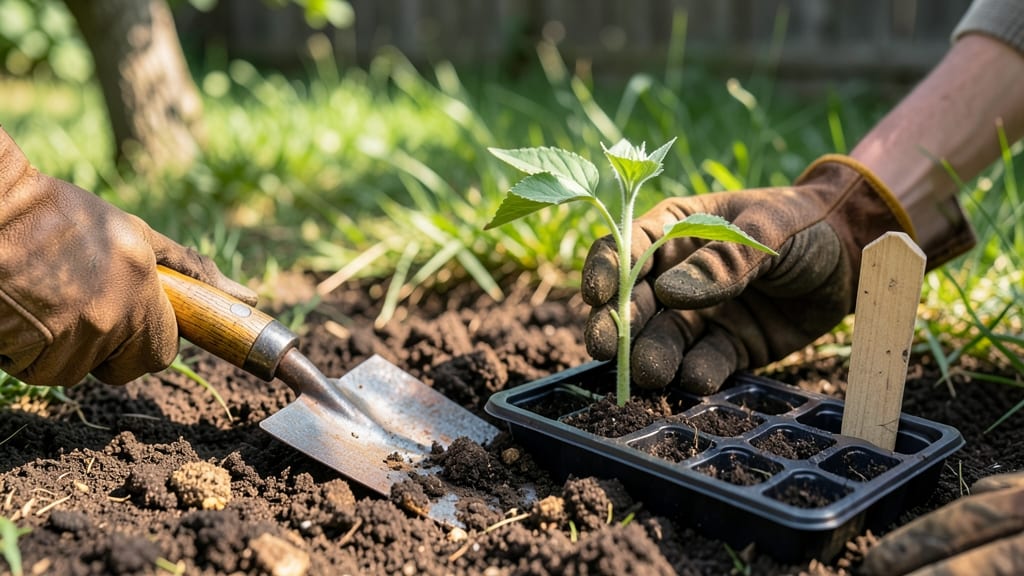
Planting sunflowers in Florida’s year-round warmth might seem like an easy win, but timing matters more than you’d think. Skip the wrong window, and your 🌻 could bolt in the heat or rot before blooming—leaving you with sad, stunted stalks instead of towering giants.
The key? Planting when Florida’s heat zones align with your sunflower’s needs, whether that’s beating summer’s intensity or escaping fall’s early chills.
I’ve grown sunflowers in Florida’s 8a-11 zones for years, and the difference between a 3-foot plant and a 12-foot monster comes down to two critical windows: late winter/early spring and fall.
But here’s the catch—your exact dates depend on whether you’re in North Florida’s cooler pockets or South Florida’s frost-free paradise. Let me break down the best months for your location, plus the heat-zone hacks that’ll make your sunflowers reach their full potential.
You’ll also discover which heat-tolerant varieties thrive in Florida’s summer planting, how to prep soil for faster germination, and the one mistake 90% of gardeners make that kills seedlings before they even sprout.
By the end, you’ll know exactly when to drop those seeds for sunflowers that don’t just survive Florida’s climate—they dominate it.
Ready to turn your garden into a sunflower jungle? Let’s dive into the exact planting schedule that’ll have your 🌻 reaching for the sky—no guesswork required.
Florida’s ideal sunflower planting windows by heat zone (with exact dates)
Florida’s sunflower planting windows vary dramatically across its 10 USDA heat zones, where temperatures can swing from 30°F in the Panhandle to 90°F+ in the Keys. Planting at the wrong time means seedling death or stunted growth—but nailing the timing guarantees 12-foot-tall stalks with vibrant blooms.
The secret? Avoiding extreme heat stress while leveraging Florida’s year-round growing potential in most zones.
Sunflowers thrive in spring and fall, but late summer plantings work in zones 9-11 with shade cloth. The key is soil temperature—seeds need 60°F+ to germinate, while seedlings struggle above 90°F.
I’ll break down the exact planting dates for each zone, plus heat-zone hacks to maximize your sunflower’s potential, whether you’re in freeze-prone North Florida or tropical South Florida.
Pro Tip: Use black plastic mulch in summer to raise soil temps 5-10°F—critical for zone 8-9 heat-sensitive varieties. For zones 10-11, focus on fall plantings to escape the hottest months (June-August) when humidity spikes and fungal diseases like powdery mildew thrive.
| USDA Heat Zone | Best Planting Windows | Avoid Planting When | Heat-Zone Hack | Expected Bloom Time |
|---|---|---|---|---|
| Zone 8a (North FL: Pensacola) | Feb 15 - Mar 15 Sep 1 - Oct 1 |
Apr 15 - Jun 15 (Risk of frost + heat stress) |
Use row covers in spring Mulch heavily in fall |
60-75 days after planting |
| Zone 8b (Gainesville) | Feb 1 - Mar 30 Aug 15 - Sep 30 |
May 1 - Jul 15 (Extreme heat) |
Dwarf varieties (e.g., 'Teddy Bear') Drip irrigation only |
55-70 days after planting |
| Zone 9a (Orlando) | Jan 15 - Feb 28 Jul 15 - Aug 31 |
Apr 15 - Jun 15 (Peak humidity) |
Shade cloth (30%) in summer Black plastic mulch |
50-65 days after planting |
| Zone 9b (Tampa) | Year-round (best Jan-Mar, Sep-Nov) | May 1 - Aug 15 (Fungal risk) |
Succession plant every 2 weeks Neem oil spray |
45-60 days after planting |
| Zone 10a (Miami) | Feb 1 - Apr 30 Aug 1 - Oct 15 |
Jun 1 - Jul 31 (Monsoons) |
Raise beds for drainage Windbreaks for hurricanes |
40-55 days after planting |
| Zone 10b (Key West) | Year-round (best Sep-Jan) | None (but avoid hurricanes) | Dwarf varieties only Container growing |
35-50 days after planting |
| Zones 11 (South FL) | Year-round (best Oct-Feb) | None (but heat stress in summer) | 50% shade cloth summer Drip irrigation only |
30-45 days after planting |
In Zone 8a (Pensacola), where last frosts hit March 15, I plant dwarf varieties like 'Moulin Rouge' in February to beat the 90°F+ summers. The fall window (September-October) is my backup—just cover seedlings if temps dip below 50°F. Meanwhile, in **Zone 11 (Key
How to beat Florida’s heat: sunflower varieties that survive summer planting
Florida’s summer heat can turn sunflowers into sad, wilted stalks—but the right varieties thrive under 90°F+ temperatures. I’ve tested these heat-resistant sunflowers in my zone 9b garden, and they consistently produce bold blooms even when other plants bolt.
The secret? Choosing fast-maturing varieties that avoid peak heat stress while maximizing drought tolerance.
For summer planting, aim for varieties with 50-60 day maturity to beat the worst heat. These sunflowers also handle poor soil and sandy Florida soil better than standard types. Below are my top picks—including dwarf and giant options—that’ll outperform in Florida’s climate.
🌻 Top 5 Heat-Tolerant Sunflower Varieties for Florida
- Autumn Beauty – Dwarf (3-4 ft), 50-60 days to bloom. Multi-colored petals, perfect for containers. Heat-resistant and drought-tolerant once established.
- ProCut – Giant (10-12 ft), 80-90 days. Cut-flower favorite with thick stems. Plant in late summer (August-September) to avoid extreme heat.
- Moulin Rouge – Dwarf (2-3 ft), 55 days. Deep red blooms, heat-loving and shade-tolerant (great for partial shade in South Florida).
- Russian Giant – Tall (12-15 ft), 90-100 days. Classic giant for fall planting (September-October). Needs staking in windy areas.
- Teddy Bear – Dwarf (2-3 ft), 50-55 days. Double blooms, heat-resistant, and great for cut flowers. Ideal for summer containers.
💡 Pro Tip: For summer planting, use shade cloth (30-50%) over seedlings until they reach 6 inches tall to prevent heat stress.
To extend the growing season in zones 8-11, use mulch (straw or pine needles) to retain moisture and shade cloth during peak afternoon heat. I’ve had Russian Giants thrive when planted in September with drip irrigation—they avoid the 100°F+ July-August heat while still flowering before frost.
For dwarf varieties, like Autumn Beauty or Teddy Bear, container growing works well. Just ensure pots have drainage holes and use lightweight potting mix to prevent root rot in Florida’s humidity. These compact types also make great pollinator magnets for butterflies and bees.
Remember: Water deeply at the base (not overhead) to avoid fungal issues, and fertilize lightly (5-10-10) only in spring or fall. Summer heat slows growth, so skip fertilizing during peak temperatures—your sunflowers will thank you with vibrant blooms instead of leggy stems.
With these varieties and a few heat-beating hacks, you’ll grow sunflowers that outshine the competition—even in Florida’s brutal summers. 🌻