
Propagation
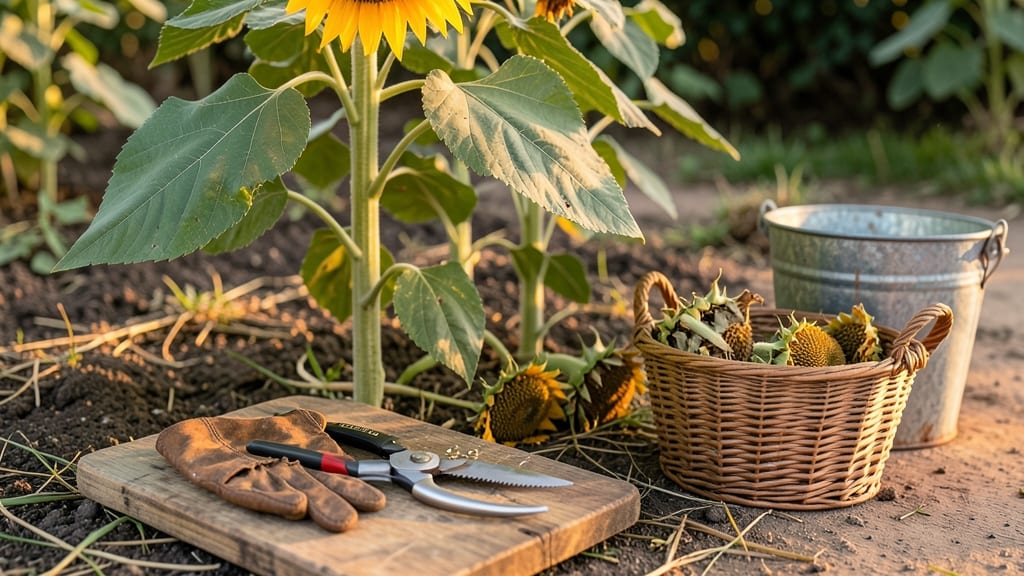
Timing matters when you're ready to cut those sunflower heads—🌻—because harvesting too early means wasted seeds or wilted bouquets, while waiting too long can leave you with dried-out blooms.
The key is knowing exactly when those golden faces signal they're at their peak, whether you're saving seeds for next year's garden or crafting a showstopping arrangement.
Most gardeners miss the perfect window because they focus on the wrong cues. It's not just about the calendar—though late summer and early fall are prime time—but about the visual and tactile signs that tell you the moment has arrived.
I'll walk you through the three foolproof indicators that guarantee you'll never cut too soon or too late again.
Imagine this: you're standing in your garden, surrounded by towering sunflowers, and you can't decide if that particular head is ready. The petals might look perfect, but what about the back?
Or the seeds? These are the details that separate a great harvest from a mediocre one, and I'm about to share them with you.
By the end of this guide, you'll know exactly when to cut for seeds or bouquets, plus how to handle them afterward to preserve their quality. No more guesswork—just confident, beautiful sunflowers that deliver every time.
3 Clear signs your sunflower heads are ready for harvesting seeds
Sunflowers are at their most stunning when their petals face the sky, but those golden blooms hide a secret: the perfect moment to harvest seeds. Cutting too early means immature seeds that won’t sprout, while waiting too long risks bird theft or seed loss.
Here’s how to spot the ideal harvest window with precision.
First, focus on the petals. When they’ve fully opened and flattened against the head—like a sunburst—that’s your first clue. This usually happens 70-90 days after planting, depending on your variety. The petals should also feel dry and papery to the touch, signaling they’ve completed their job.
Next, check the back of the head. If it’s turned a uniform yellow-brown (not green or patchy), the seeds inside are ready. This color change happens as the chlorophyll breaks down, and it’s your green light to act.
Pro tip: Gently squeeze the seed head—if it feels firm and dry, you’re golden.
- 🌻 1. Petals fully open – Flat against head, no curling
- 🌻 2. Back turns yellow-brown – No green spots, uniform color
- 🌻 3. Seed head is firm – Feels dry, not soft or spongy
- 🌻 4. Stem snaps easily – Clean break, not mushy
- 🌻 5. Weather is dry – No rain forecast for 24+ hours
Don’t overlook the weather conditions. Harvest on a dry, sunny morning after dew has evaporated. If rain is forecasted within 24 hours, the seeds may absorb moisture and spoil. Also, avoid cutting after frost, as cold temperatures can damage seed viability.
One common mistake is assuming all sunflowers ripen at once. Taller varieties often mature first, followed by shorter ones. To stay organized, label your plants at planting or track their height—taller sunflowers (like Mammoth varieties) usually ripen 1-2 weeks earlier than dwarfs.
For seed-saving purposes, aim to harvest when 50-60% of the seeds in the head turn black and striped. These are the most viable for planting.
Leave the head on the stem for 1-2 more days if needed to reach this stage, but don’t delay beyond late September in most climates.
If you’re unsure, cut a test head and check the seeds. Split open a few—if they’re plump, black, and striped, you’re ready. If they’re white, green, or shriveled, wait another 3-5 days. Patience here ensures higher germination rates next season.
Once you’ve confirmed readiness, use clean, sharp pruners or shears to cut 2-3 inches of stem. This extra stem helps with hang-drying later. Remove the petals and store the heads upside-down in a well-ventilated spot for 2-4 weeks to fully dry.
Pro tip: Hang heads in small groups (not touching) to prevent mold. If birds are a problem in your area, cover heads with mesh bags after cutting. With these signs mastered, you’ll never miss the perfect harvest window again!
How to cut sunflower heads for bouquets vs. seeds: step-by-step differences
Once you’ve mastered the visual cues for sunflower maturity, the next challenge is knowing whether to cut for bouquets or seeds. The timing and technique differ dramatically—what makes a sunflower perfect for a vase won’t work for saving seeds.
I’ll walk you through the critical differences in cutting methods, including the best tools to use and how to handle each type after the cut.
The biggest mistake I see is treating both purposes the same. For bouquets, you want sunflowers at their peak visual beauty—petals fully open but still vibrant, with minimal seed development.
For seeds, you need mature heads where the back has turned brown and seeds are fully developed. These two stages can be 2-3 weeks apart, so timing is everything.
For bouquet sunflowers, cut stems at a 45-degree angle just above a leaf node. This increases water uptake, extending vase life by up to 10 days.
Remove lower leaves that would sit underwater to prevent bacterial growth. Immediately submerge stems in lukewarm water—this opens the xylem vessels, helping them drink up water faster.
When harvesting for seeds, wait until 50-70% of seeds in the head turn black and striped. Use clean pruners to cut 2-3 inches of stem—this extra length helps with hanging.
Remove all petals and any remaining green tissue from the base. Store heads in a well-ventilated area (like a mesh bag) to prevent mold during the 2-4 week drying process.
Pro tip: If you’re short on space, lay seed heads on a paper towel in a single layer. Flip them daily to ensure even drying. For bouquets, add a flower food packet to your vase water—this contains sugars and acids that nourish the stems and extend freshness.
The difference in post-cut care is just as important as the initial cut itself.
Remember: Bouquet sunflowers should be cut when they’re at their peak visual beauty, while seed sunflowers need that extra time to mature. Miss the window for seeds, and you’ll end up with shriveled, non-viable seeds.
Cut bouquet flowers too late, and they’ll wilt faster in your vase. Pay attention to these distinct differences, and you’ll get the best results for both purposes.