
How To
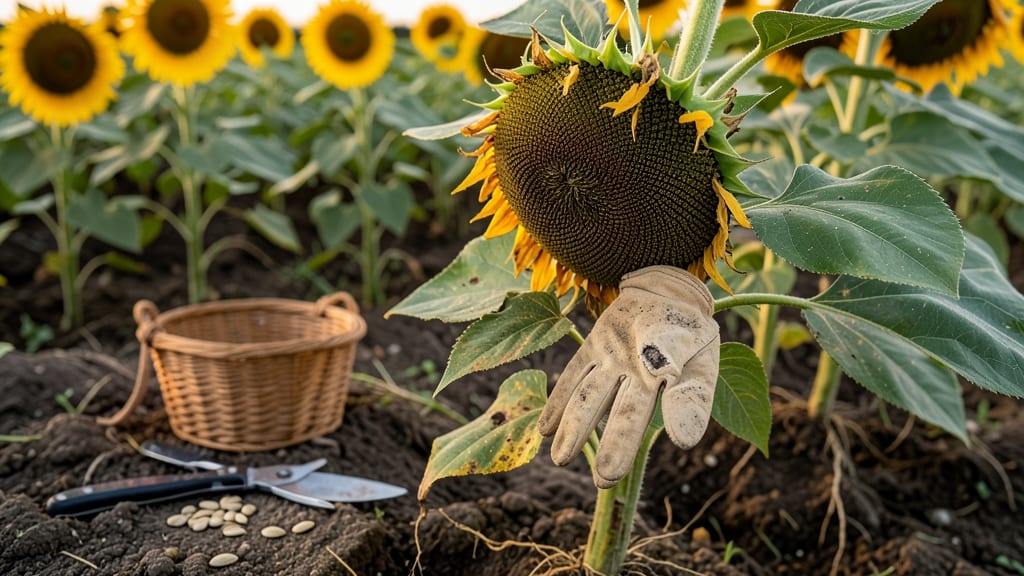
Picking sunflower seeds at the wrong time means losing your harvest to hungry birds—or worse, ending up with seeds that won’t store well. The key is knowing exactly when those golden 🌻 heads are ready, and it’s easier than you think.
Most sunflower varieties take 85 to 120 days to mature, but timing isn’t just about days—it’s about visual cues. Watch for petals to drop completely, leaving a dry, brown center, and give the back of the head a gentle shake. If seeds rattle inside, that’s your green light.
Harvesting too early leaves seeds underdeveloped, while waiting too long risks frost damage or bird raids. I’ll walk you through the perfect window—plus how to store your seeds properly so they stay viable for months.
Whether you’re growing sunflowers for birdseed, cooking oil, or just the joy of watching them tower over your garden, mastering this simple trick ensures you’ll always come out ahead. Let’s get started.


How to identify the perfect time to harvest sunflower seeds
Sunflowers may seem like low-maintenance giants, but knowing when to pick sunflower seeds requires careful observation. The difference between perfectly ripe seeds and ones that shatter or go to waste often comes down to visual and tactile cues you can check daily.
Ignore these signs, and you’ll watch birds or squirrels claim your harvest before you do.
Most sunflower varieties reach maturity between 85 to 120 days after planting, but this window varies by type. Dwarf varieties like 'Teddy Bear' mature faster (around 85 days), while giant varieties like 'Russian Giant' can take up to 120 days.
Tracking these days-to-maturity gives you a rough estimate, but you’ll still need to confirm readiness with hands-on checks.
Visual cues are your first clue. Start by watching for petal drop—when the bright yellow petals fall completely, leaving a dry, brown center. This signals the plant is shifting energy from blooms to seed production. Next, examine the back of the flower head: it should turn a deep, uniform brown, not just slightly yellowed.
| Sign | Description | Action |
|---|---|---|
| Petal Drop | Bright yellow petals fall completely, leaving a dry brown center. | Begin daily checks for seed maturity. |
| Back-of-Head Test | Back of flower head turns deep, uniform brown. | Shake gently—seeds should rattle inside. |
| Seed Color | Seeds turn dark (black, gray, or striped) and fill the head. | Rub between fingers—seeds should detach easily. |
| Variety Maturity | Dwarf: 85 days | Standard: 100 days | Giant: 120 days. | Use as a general timeline, not a replacement for visual checks. |
| Weather Warning | Frost or rain forecast within 3–5 days. | Harvest immediately—seeds won’t dry properly if wet. |
The back-of-head test is a game-changer for accuracy. Gently shake the flower head—if seeds inside rattle like a maraca, they’re ready. For extra confirmation, rub a seed between your fingers: it should crush easily (not be hard or green).
Overripe seeds turn brittle and crumble, while underripe ones stay firm and greenish.
Don’t rely solely on days-to-maturity estimates, especially if your growing season varies. For example, planting in late May might delay maturity by 1–2 weeks compared to a mid-April start. Always cross-reference with visual cues to avoid harvesting too early or too late.
Watch for seed color changes as another key indicator. Mature seeds darken to black, gray, or striped patterns, filling the entire head. If you see green streaks or hollow spaces, the seeds aren’t ready yet.
Pro tip: Use a magnifying glass to inspect seed color if your sunflowers are tall and hard to reach.
Timing matters even more if you’re growing sunflowers for birdseed or oil. For oil production, wait until seeds are fully brown and dry—they’ll have higher fat content. For birdseed, harvest slightly earlier when seeds are still plump but dry, as birds prefer seeds that aren’t brittle.
One common mistake is harvesting after the first frost. While sunflowers are frost-tolerant, wet conditions from frost can cause seeds to mold or rot. If frost is forecast, harvest 3–5 days ahead of the predicted freeze.
Cut the heads and hang them upside down in a dry, dark place to finish drying.
For container growers, timing is trickier because dwarf varieties mature faster. Check seeds every 2–3 days once petals drop, as small pots can dry out quicker. If your sunflower is in a 6-inch pot, it may need more frequent watering, which can slightly delay maturity.
Remember: The perfect harvest window is narrow—usually just 5–7 days. Once seeds turn brittle or the heads split open, your window closes. Keep an eye on your sunflowers daily during their final weeks, and you’ll reap a bountiful seed harvest instead of empty stalks.
Critical mistakes that ruin sunflower seed harvests (and how to avoid them)
Harvesting sunflower seeds too early or too late can turn your hard work into bird feed instead of your harvest. I’ve watched prematurely picked heads shrivel on the vine while overripe seeds turn to dust in my hands—both heartbreaking mistakes.
Even weather delays or bird damage can sabotage your crop if you're not prepared.
Let’s tackle the most common pitfalls first. Premature harvesting happens when you pick seeds that aren’t fully mature, leaving them small, soft, and unable to germinate. On the flip side, overripe seeds lose viability and crumble when handled.
Then there’s the battle against squirrels and birds, which will strip your heads clean if you don’t act fast.
🌻 Pro Tip: Cover heads with breathable mesh bags once they’re mature but still on the plant to deter wildlife without suffocating the seeds.
⚠️ When to Pick Sunflower Seeds: The Critical Window
Harvest seeds when all petals drop and the back of the head turns brown. Shake the head—if seeds rattle loudly, they’re ready. Wait too long, and seeds scatter or sprout on the stalk.
🌧️ Weather Warning: Never harvest before the first frost (after November 15 in Zone 6a). Frost kills seeds, but a light freeze can trigger premature petal drop—don’t confuse this with maturity!
Another silent killer is moisture buildup during harvest. If you cut heads too early, the green stems trap humidity, causing mold. Always let heads dry completely on the plant or in a well-ventilated spot before storing.
I once lost an entire batch because I rushed drying—now I wait until the seed heads feel papery to the touch.
💧 Storage Secret: Once dry, store seeds in airtight containers with a silica gel packet to absorb moisture. Label them with the harvest year—viability drops after 2 years.
Finally, don’t ignore variety-specific timelines. Dwarf varieties like ‘Teddy Bear’ mature in 85 days, while giants like ‘Russian Giant’ take 120 days. Check your seed packet for days-to-maturity and adjust your harvest date accordingly.
I planted both once and nearly missed the Russian Giant harvest because I assumed all sunflowers ripened together!
By avoiding these mistakes, you’ll turn your sunflower patch into a seed-saving goldmine instead of a bird buffet. Happy harvesting! 🌻