
Planting
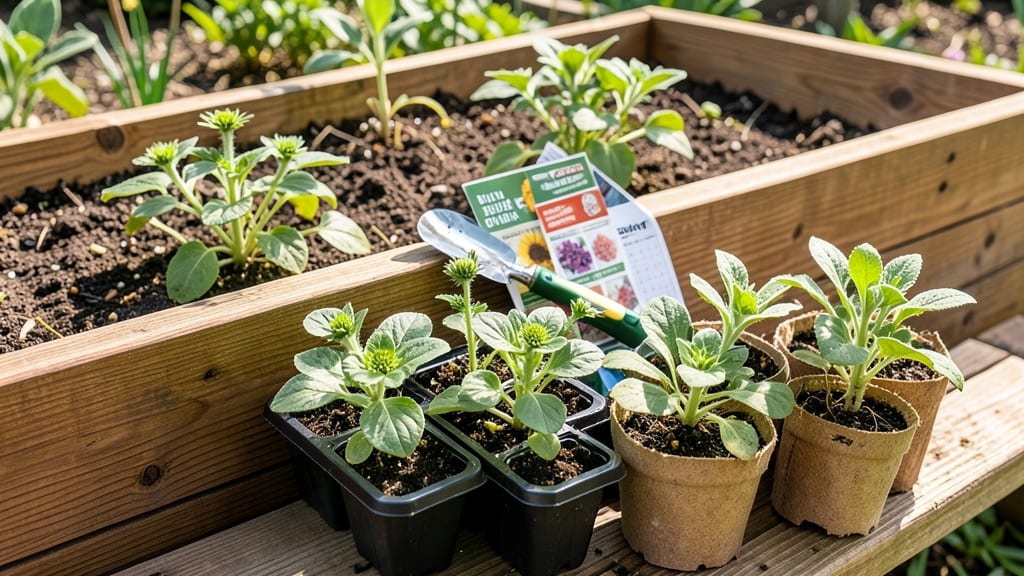
When to plant cut flower seeds perfectly can transform your garden from a few sad stems to a bountiful harvest of vibrant blooms—all without worrying about frost. In USDA Zone 6a, where I’ve tested countless varieties, planting too early risks losing seedlings to cold snaps, while waiting too long cuts your harvest short.
The key is knowing when to start seeds indoors and when to sow directly in the warm soil of early spring or late summer.
For example, zinnias and cosmos thrive when planted after the last frost date (around April 15 in Zone 6a), but sunflowers can handle cooler soil if given a head start. I’ll break down the exact deadlines for your favorite cut flowers so you never miss a bloom.
You’ll also discover how to stretch your harvest season by using succession planting for quick growers like bachelor’s buttons or delaying sowing for late-season varieties like delphiniums. Whether you’re a beginner or a seasoned gardener, these strategies ensure your cut flower garden stays in full bloom from spring to fall.
Ready to avoid frost-killed dreams and maximize your bouquet potential? Let’s dive into the foolproof schedule that works for every USDA zone, so you can enjoy fresh-cut flowers all season long.
USDA zone planting deadlines for popular cut flower seeds
Getting your cut flower seeds in the ground at the right time ensures longer stems and healthier blooms before frost hits. Each USDA zone has a different last-frost date, so I’ve broken down the ideal planting windows for annuals and perennials to maximize your harvest.
Whether you’re growing zinnias for their bold colors or cosmos for their airy texture, timing is everything.
For most cut flowers, you’ll want to plant seeds 4-6 weeks before your last frost date if starting indoors. If you’re direct sowing, wait until soil temperatures reach 60°F (15°C)—this prevents seed rot and encourages faster germination.
Perennials like dahlias and hollyhocks need even more patience, as they take longer to establish.
Below is your zone-by-zone planting schedule, including frost-free deadlines for annuals and perennials. Use your local last-frost date (check the National Weather Service or Old Farmer’s Almanac) to fine-tune these times. Pro tip: Succession planting every 2-3 weeks keeps your bouquets coming all season!
If you’re in Zone 10 or warmer, you can plant cosmos and zinnias year-round, but focus on
How to adjust planting times for early vs late bloomers
Extending your cut flower harvest isn’t just about planting once—it’s about strategic timing for different blooming cycles.
Fast growers like bachelor’s buttons and sweet peas can be sown every 2-3 weeks for continuous blooms, while long-season varieties like delphiniums and snapdragons need staggered starts to avoid a single, short flush of flowers.
In my USDA Zone 6a garden, I’ve found that succession planting for quick-turnaround flowers keeps my bouquets fresh from early summer to frost.
For example, sowing cosmos seeds every 14 days ensures blooms from July through October, while a single planting of delphiniums might only reward you with a few weeks of height and drama.
Here’s how to balance both approaches for a non-stop harvest:
🌱 When to Plant for Maximum Blooms
- 🌱 Early Bloomers (45-60 days to flower): Sow sweet peas and bachelor’s buttons every 2 weeks from early spring (after last frost) until mid-summer.
- 🌿 Mid-Season (60-90 days to flower): Start zinnias and sunflowers indoors 6-8 weeks before last frost, then direct sow every 3 weeks for staggered blooms.
- 🌼 Late Bloomers (90+ days to flower): Plant delphiniums and snapdragons in early spring (March-April) for summer blooms, or sow hollyhocks in late summer for next year’s flowers.
- ⏰ Frost-Resistant Picks: Cosmos and nasturtiums can be sown as late as July in warm zones (7a+) for fall harvests.
For quick-turnaround flowers, focus on succession planting. In my garden, I mark rows with bamboo stakes and plant sweet peas in three waves: early May, late May, and early June.
This ensures blooms every 6-8 weeks without gaps. Use a planting calendar to track deadlines—my rule of thumb is to stop sowing 6 weeks before your first frost.
Long-season varieties like delphiniums benefit from staggered sowing indoors. I start half my seeds in February and the other half in March to extend their bloom window.
These tall beauties need support stakes and regular deadheading to encourage more flowers, but the effort pays off with 6-8 weeks of dramatic stems.
Don’t forget to rotate crops to prevent soil-borne diseases. I dedicate one bed to fast growers (like zinnias) and another to long-season plants (like snapdragons). This keeps pests and diseases in check while maximizing space.
With these strategies, your cut flower garden will bloom continuously from spring to frost—no sad gaps in your bouquets!
Pro tip: Keep a harvest journal to track which varieties perform best in your climate. Mine shows that cosmos and sweet peas are the most forgiving for late sowings, while delphiniums reward patience with towering stems worth the wait. 🌸