
Flowers
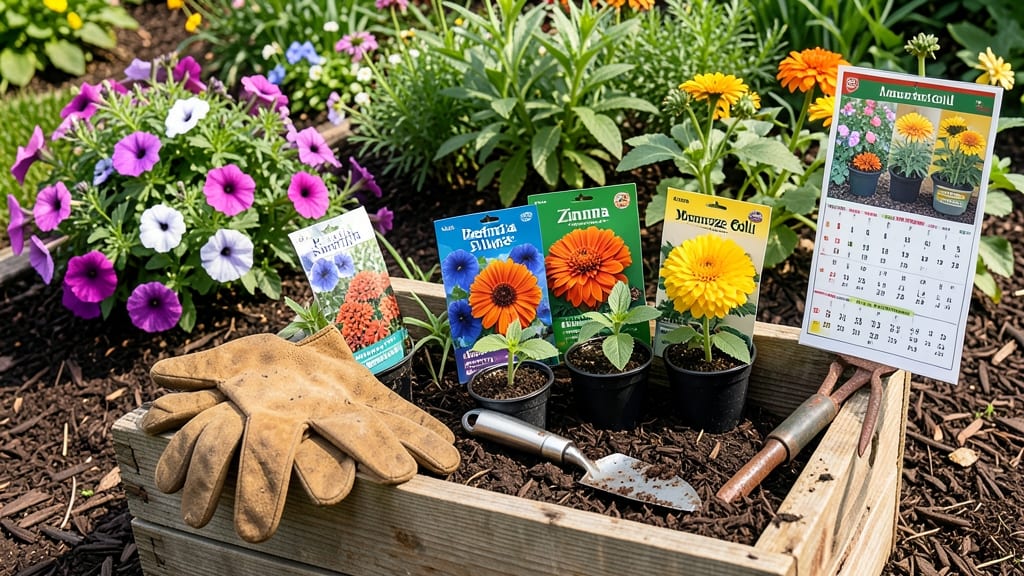
Timing when to plant flowers in Alabama just right can mean the difference between a garden that thrives and one that struggles—especially when you're dealing with Zones 7b and 8a's unpredictable spring frosts.
I've learned the hard way that planting too early can leave delicate blooms wilted by March's late surprises, while waiting too long might mean missing out on summer's boldest colors.
Alabama's late winter to early spring window (February through April) is your golden opportunity to get annuals like marigolds and petunias in the ground, but perennials like azaleas and camellias need a slightly different approach.
The key? Knowing your last frost date—typically around March 15—and adjusting for whether you're planting seeds, seedlings, or established plants.
In this guide, I'll break down exactly when to plant for zero-frost success, including regional favorites that handle Alabama's heat and humidity. Whether you're working with containers or in-ground beds, you'll discover how to stretch your blooming season from spring's first 🌸 to fall's last vibrant display.
Ready to transform your garden? Let's dive into the perfect planting schedule so you can enjoy flowers that last—without the guesswork.
Alabama flower planting calendar by season: frost-free months for annuals and perennials
Alabama’s USDA Zones 7b and 8a offer gardeners a 300-day growing season, but knowing the exact planting windows for annuals and perennials is key to avoiding frost damage and maximizing blooms.
Unlike northern states, Alabama’s last frost date typically arrives around March 15, while the first frost hits November 15, leaving ample time for year-round color.
Annuals like marigolds and petunias thrive when planted after the last frost, while hardy perennials such as black-eyed Susans and coneflowers can be transplanted in early spring or fall. Below, I’ve broken down the ideal planting months for each season, including soil temperature tips and frost-sensitive varieties to avoid.
Pro Tip: Always check your local microclimate—coastal areas (like Mobile) may have earlier last frosts than inland regions (like Birmingham). Use this calendar as a guide, but adjust based on your specific zone!
For annual flowers, I recommend starting seeds indoors 6-8 weeks before the last frost date (around January 15) for varieties like petunias and geraniums. These need a head start to reach their full blooming potential by spring.
Harden off seedlings by placing them outdoors for 2-3 hours daily starting in late February to acclimate them to Alabama’s humid climate.
Perennials like black-eyed Susans and coneflowers can be planted in early spring (March) or fall (October) for established roots before winter. Fall planting is ideal because cooler temperatures reduce transplant shock, and the plants focus on root growth rather than blooming.
Always amend the soil with compost to improve drainage, especially in clay-heavy Alabama soil.
Summer planting (May-July) is perfect for heat-loving annuals like lantana and sunflowers. These varieties thrive in Alabama’s hot, humid summers and can even handle occasional drought once established. Water deeply 2-3 times per week until roots are well-established, then taper to weekly watering.
Fall is my favorite season for planting cool-season annuals like mums and asters, which bloom beautifully before the first frost. These flowers add late-season color and often last well into December if protected by a light frost cloth.
Perennials like salvia and coreopsis also benefit from fall planting, as
Top 5 mistakes Alabama gardeners make when planting flowers (and how to avoid them)
Even in Alabama's mild climate, planting flowers at the wrong time can turn your garden dreams into frost-bitten failures. I've seen tender annuals like impatiens and marigolds wilt overnight because they were planted too early, while hardy perennials like black-eyed Susans struggle when transplanted after the heat sets in.
Another common mistake? Ignoring soil preparation. Alabama's clay-heavy soil can suffocate roots if not amended with compost or organic matter. I once spent $50 on beautiful azaleas, only to watch them languish because I skipped the soil test and didn't adjust the pH for acid-loving plants.
Let me share the critical errors Alabama gardeners make—and how to fix them before your next planting season.
⚠️ Critical Mistake: Planting Frost-Sensitive Flowers Before Last Frost
Problem: Alabama's last frost typically hits around March 15, but tender flowers like petunias, geraniums, and begonias can't handle even light frost. Planting them too early means lost investments and delayed blooms.
Fix: Wait until April 1 for most annuals, or use row covers for 2-3 weeks earlier if you're impatient. For tender bulbs like dahlias, wait until soil temps reach 60°F.
Pro Tip: Check the Alabama A&M Extension frost date map annually—it varies slightly by region.
Overcrowding plants is another silent killer. I've seen gardeners squeeze too many marigolds or zinnias into small spaces, leading to poor air circulation and fungal diseases. Always follow spacing guidelines on seed packets—usually 12-18 inches apart for most annuals.
Skipping mulch in Alabama's intense summer heat is a recipe for stress. Without mulch, soil temperatures can spike to 100°F+, shocking roots. Apply 2-3 inches of organic mulch (like pine straw) around plants to retain moisture and regulate temperature.
Finally, choosing the wrong flowers for your microclimate can backfire. Coastal areas near Mobile have higher humidity, while inland Birmingham gets hotter, drier air. For example, salvia thrives in dry heat but may struggle in swampy coastal gardens.
By avoiding these mistakes, your Alabama garden will burst with color from spring azaleas to fall mums—without the heartbreak of wasted plants. Start with soil tests, respect frost dates, and match flowers to your local conditions for success every season!