
Flowers
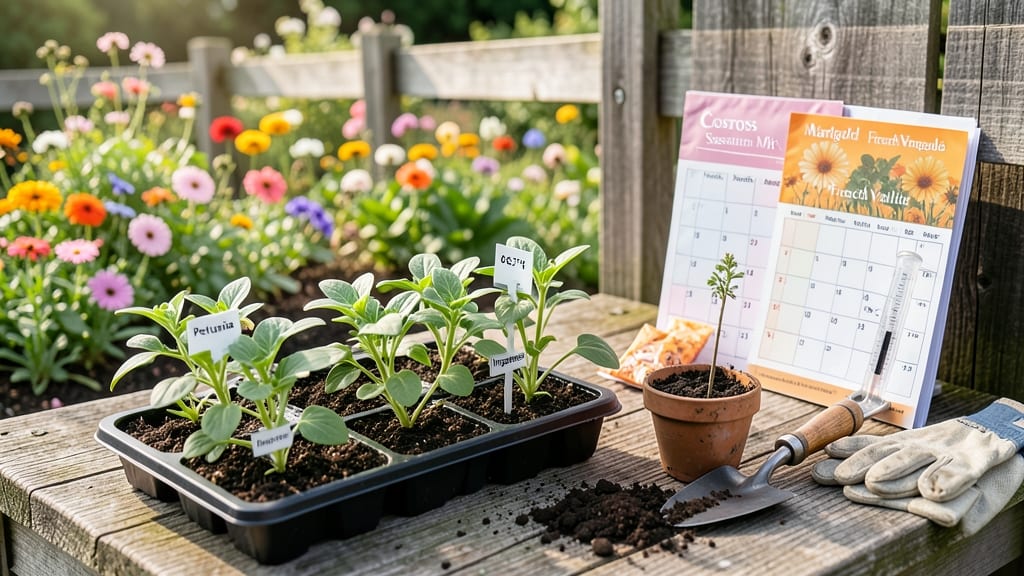
Planting flowers in Arkansas isn't just about grabbing seeds and sticking them in the ground—it's about beating the clock to avoid frost zapping your blooms or summer heat roasting them before they sprout.
With the state's 7a-8a zones and microclimates ranging from the Delta's humidity to the Ozarks' cooler air, timing is everything for zero-frost success.
You might think all flowers play by the same rules, but annuals like zinnias and perennials like daylilies have completely different deadlines.
The late winter to early spring window (February-March) and late summer to early fall (August-September) offer your best shots—but miss those dates, and you're either fighting frost damage or wilting under Arkansas' brutal summer sun.
Here's what I've learned after years of testing: the key is knowing your local frost dates (Little Rock's last frost is around March 15, but Texarkana's can linger until April 1).
Whether you're planting 🌸 pansies for early color or sunflowers for summer height, this guide will help you pick the perfect moment for your Arkansas garden.
Ready to transform your yard into a year-round bloom parade? Let's dive into the exact planting windows, flower-by-flower recommendations, and pro tips to keep your flowers thriving—no matter where in Arkansas you call home.
Arkansas frost dates by region: the critical timeline for flower planting
Understanding Arkansas frost dates is the first step to successful flower gardening. The state spans USDA Zones 6b to 8a, creating dramatic differences in frost timing from the cool Ozark Mountains to the warmer Delta region.
These variations mean your spring planting window in Jonesboro (Zone 7b) differs by weeks from Texarkana (Zone 8a), and the same goes for fall. Knowing these dates helps you avoid frost damage while maximizing bloom time.
For annual flowers, timing is especially critical—plant too early, and a late frost will kill tender seedlings. For perennials, establishing roots before winter is key, so fall planting matters just as much as spring.
Let’s break down the last spring frost and first fall frost averages for Arkansas’ key regions, along with city-specific data to help you plan like a pro.
In Zone 6b, like the Ozark Mountains, the last frost often lingers until early April, making it risky to plant tender annuals before May. Meanwhile, Zone 8a in Texarkana enjoys a longer growing season, with frost-free dates stretching from mid-March to late November.
This means gardeners here can plant heat-loving flowers like zinnias and salvias as early as February and enjoy fall blooms well into October.
For perennial flowers, the goal is to establish roots before winter. In Zone 7a (Little Rock), aim to plant perennials by mid-October to give them time to root before
Best flowers to plant by Arkansas season: heat-tolerant vs. cool-season picks
Arkansas’ two main planting windows—spring (March–May) and fall (August–October)—determine which flowers thrive in your garden. The state’s USDA Zones 6b–8a mean some flowers handle 90°F+ heat, while others need frost protection. Let’s break down the best picks for each season to maximize your blooms.
For spring planting, focus on cool-season flowers that tolerate light frosts and establish before summer heat. In fall, heat-tolerant annuals and perennials take center stage, blooming until the first frost.
Your microclimate (Delta vs. Ozarks) also plays a role—adjust timing by 2–4 weeks if you’re in a warmer zone like Zone 8a.
Spring Planting (March–May) Pros & Cons
Pros
- Frost-hardy varieties survive light freezes
- Longer bloom time before summer heat arrives
- Establishes roots before extreme heat
Cons
- Risk of late frost damaging tender seedlings
- Requires consistent moisture during root establishment
- Some varieties bolt in heat if planted too early
For fall planting (August–October), prioritize heat-tolerant annuals and drought-resistant perennials that thrive in Arkansas’ humid summers. These flowers continue blooming until frost, providing late-season color. Zinnias and salvias are top choices for Zone 8a, while cosmos and marigolds handle both heat and humidity.
If you’re in Zone 6b, opt for frost-tolerant perennials like black-eyed Susans or coneflowers, which establish roots in fall and bloom early the next spring. Transplant seedlings 6–8 weeks before the first frost (typically mid-November) for best results.
Pro tip: Use mulch to retain soil moisture during Arkansas’ hot, dry spells. Morning watering (before 10 AM) prevents fungal diseases like powdery mildew, which thrives in the state’s humidity. For container gardens, choose compact varieties like petunias or geraniums to avoid overcrowding.
🌸