
Flowers
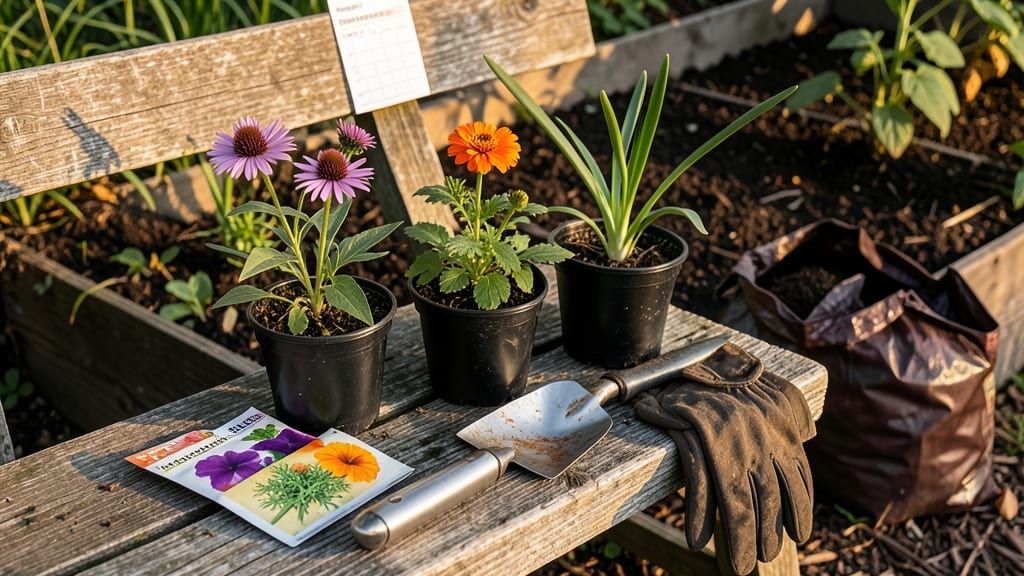
Timing your flower planting in Chicago’s USDA Zone 5b can make or break your garden—one late frost and your delicate 🌸 blooms become casualties of the cold. The key isn’t just guessing when to plant; it’s knowing the exact deadlines that separate thriving gardens from frozen disappointments.
Most gardeners here learn the hard way: planting too early means risking frost damage, while waiting too long cuts short your blooming season. I’ve tracked Chicago’s frost patterns for years, and what I’m about to share will help you avoid those common mistakes.
Whether you’re a seasoned gardener or just starting, these insights will give your flowers the best possible start.
We’ll cover the ideal planting windows for annuals, perennials, and bulbs—including why April 15 is your magic date for perennials and how to adjust for Chicago’s unpredictable late frosts. With the right timing, you’ll enjoy vibrant blooms from early summer right through fall.
Ready to transform your garden into a year-round showstopper? Let’s dive into the exact dates and strategies that work in Chicago’s climate—so you can finally stop worrying about frost and start enjoying your flowers.
Chicago flower planting deadlines by type: annuals vs perennials vs bulbs
Chicago’s USDA Zone 5b climate means your flower planting timeline hinges on avoiding late frosts—especially those sneaky April showers that can turn tender seedlings into sad, mushy memories. The last average frost date is around April 15, but Mother Nature doesn’t always follow the script.
For annuals, wait until after May 15 to ensure those delicate petals survive. Perennials, however, are tougher and can handle early April planting as long as you use row covers for protection.
Bulbs are the oddballs of the group—they demand fall planting (October) to establish roots before winter. Skipping this window means weaker blooms or no blooms at all.
Think of bulbs as the overachievers of the garden world: they store energy underground all winter, then burst into color when others are still napping. For Chicago gardeners, this means October 1-15 is your golden window for tulips, daffodils, and crocuses.
Here’s the non-negotiable timeline to keep your flowers thriving—and your wallet happy (no replanting costs!). The table below breaks down exact deadlines for annuals, perennials, and bulbs, plus backup dates for those late-spring surprises that Chicago loves to throw at us.
🌱
Annuals like marigolds and zinnias are the divas of the garden—they demand warmth and won’t tolerate Chicago’s late-May frosts. That’s why I always wait until after Memorial Day (May 25) to plant heat-lovers like lantana or salvia.
Pro tip: Use black plastic mulch to warm soil faster and give those seedlings a head start.
Perennials, on the other hand, are the loyal friends of your garden. Once established, they’ll come back year after year with minimal fuss. Coneflowers and black-eyed Susans are my top picks for Chicago—they handle drought, poor soil, and even light frosts like champs.
Plant them in April for a summer-long show, and they’ll reward you with low-maintenance beauty.
For bulbs, timing is everything. Plant tulips and daffodils in October so their roots can establish before winter. If you miss this window, don’t panic—just plant in November for next year’s blooms.
And here’s a secret: Paperwhite narcissus bulbs can even force indoors in winter for a February surprise!
Chicago’s microclimates add another layer of complexity. If you’re near Lake Michigan, expect cooler temps and delayed planting by 1–2 weeks. Urban areas with
How to adjust planting dates for Chicago’s microclimates and late frosts
Chicago’s microclimates can create wildly different growing conditions just blocks apart—whether you’re near the Lake Michigan breeze or trapped in a concrete heat island. These variations mean your neighbor’s thriving garden might freeze overnight while yours flourishes.
Understanding these zones is key to avoiding frost damage and extending your bloom season.
For example, areas near Lake Michigan often experience 1-2 weeks earlier last-frost dates than inland neighborhoods like Edgewater or Bridgeport. Meanwhile, urban heat islands in downtown Chicago can delay frost by 5-7 days compared to suburban areas. Knowing your specific microclimate helps you fine-tune planting dates for maximum success.
⚠️ callout warning
Even after May 15, Chicago’s infamous late frosts can strike—especially in Zone 5b areas. Use these backup planting dates to protect tender flowers:
- Annuals: Wait until May 25 (or use row covers)
- Perennials: Plant hardy varieties by April 20
- Bulbs: Fall planting in October is non-negotiable
Pro Tip: Monitor National Weather Service alerts for frost warnings—even a 32°F dip can devastate young plants.
To combat late frosts, I recommend cold-hardy flower varieties like pansies or sweet alyssum, which can handle 28°F temperatures. Pair these with row covers or cloche tunnels for extra protection. For example, planting marigolds under lightweight fabric extends their growing season by 2-3 weeks.
Another strategy is to use backup planting windows. If your area experiences a late frost, shift annuals to late May or early June instead of sticking to the traditional May 15 deadline. This adjustment ensures your flowers bloom in late summer rather than risking a spring freeze.
For urban gardeners, consider container gardening—pots can be moved to sheltered spots during cold snaps. Place them near south-facing walls or under overhangs to trap heat. I’ve seen petunias thrive in containers this way, even when ground-planted flowers fail.
Finally, track your local frost dates for 3 years to identify patterns. Chicago’s climate shifts yearly, and your data will reveal whether your microclimate leans toward early or late frosts. With these adjustments, you’ll turn Chicago’s unpredictable weather into an advantage for a longer, more vibrant bloom season. 🌿