
Flowers
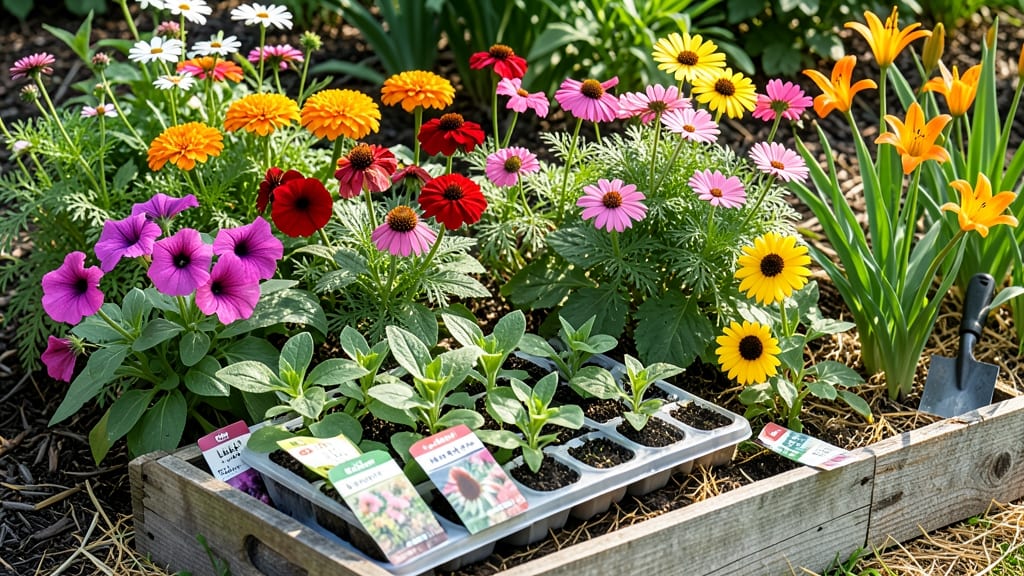
When to plant flowers in Kansas means the difference between a garden bursting with color and one that barely survives the first frost. If you plant too early in spring, those tender seedlings could turn into a sad, icy snack—while waiting too long might leave you staring at empty beds when summer arrives.
Kansas gardeners in zones 5b-6b have two golden opportunities: spring planting (March-May) and fall planting (August-September). The key? Understanding your last frost date—typically around April 15—and how to work with Kansas' unpredictable weather swings.
I’ll show you exactly when to plant for zero-frost survival, whether you’re dreaming of coneflowers or delicate daffodils.
Spring planting lets you beat the heat with cool-season blooms, while fall planting gives flowers a head start before winter. But which strategy works best for your garden? We’ll break down the pros and cons so you can choose what thrives in your yard—no guesswork required.
Ready to transform your Kansas garden into a year-round floral masterpiece? Let’s dive into the perfect planting windows and the flowers that will reward you with vibrant blooms from spring to fall.
Kansas frost dates and ideal flower planting windows by region
Kansas' diverse climate zones mean last frost dates can vary by 1-2 weeks between western and eastern regions. Understanding these frost-free windows is key to planting flowers that thrive without frost damage.
In Wichita (Zone 7a), the average last frost is April 15, while Kansas City (Zone 6a) typically sees frost until April 22. Topeka falls in between with a April 18 average.
For annual flowers, I recommend waiting until 2-3 weeks after your region's last frost date to plant heat-loving varieties like marigolds or zinnias. Cool-season annuals such as pansies or snapdragons can handle light frosts and can be planted 4-6 weeks before your last frost date. Perennials like coneflowers or black-eyed Susans should be planted in early spring or early fall for best establishment.
Here’s a quick reference for Kansas’ frost-free windows by region and the ideal planting times for your favorite flowers:
| Region | Last Frost Date | First Frost Date | Spring Planting Window | Fall Planting Window |
|---|---|---|---|---|
| Wichita (Zone 7a) | April 15 | October 20 | April 22 - May 15 | August 15 - September 15 |
| Kansas City (Zone 6a) | April 22 | October 15 | April 30 - May 15 | August 1 - September 10 |
| Topeka (Zone 6a) | April 18 | October 18 | April 25 - May 10 | August 10 - September 10 |
| Hays (Zone 6b) | April 10 | October 25 | April 15 - May 10 | August 20 - September 20 |
*Dates are averages—always monitor local forecasts for adjustments.
If you’re planting bulbs like tulips or daffodils, fall planting is critical. These need 6-8 weeks of cool weather to establish roots before winter. In Kansas City, that means planting by October 15, while Wichita gardeners have until November 1.
For hardy perennials like daylilies or lavender, fall planting offers a head start on next year’s blooms.
To protect tender flowers from unexpected late frosts, I use row covers or cold frames for 2-3 weeks after planting.
For annuals like petunias, wait until after May 1 in most regions to avoid frost damage. Perennials like bearded iris can handle light frosts but should be planted when soil temps are above 50°F.
For extended bloom seasons, I recommend successive planting every 2-3 weeks in spring. This ensures continuous color from May through October.
For example, plant cosmos in early May for summer blooms, then add asters in late July for fall color. Mulching with straw helps regulate soil temps and protects roots during temperature swings.
Microclimates matter! South-facing slopes warm up 1-2 weeks earlier than shaded areas. If you’re in a cooler microclimate, like a low-lying spot, wait 10-14 days longer before planting heat-sensitive flowers like geraniums. Use a soil thermometer to confirm temps are consistently above 60°F before planting.
For frost-sensitive flowers like begonias or impatiens, I always wait until after Memorial Day (around May 25) to ensure no frost risk.
These tropical beauties need warm soil to thrive. Native wildflowers, however, are hardier and can handle cooler temps, making them ideal for early spring planting.
Pro tip: Use frost cloth for 2-3 nights after planting to acclimate flowers to outdoor temps. This gradual transition reduces shock and improves survival rates. For bul
Spring vs fall planting: which strategy works best for Kansas flowers?
Deciding between spring vs. fall planting in Kansas can feel like choosing between a hot summer sprint and a cool autumn marathon. Each season offers unique advantages for your garden, but the wrong timing can leave you with wilted dreams instead of blooming success.
I’ve tested both strategies in my own Kansas garden, and the results will help you decide which approach fits your flowers—and your schedule.
Spring planting gives you the earliest blooms of the year, but Kansas’ unpredictable late frosts can turn tender seedlings into icy casualties. On the other hand, fall planting lets you beat the heat and establish roots before winter, often resulting in stronger, hardier plants.
The key? Matching your flower types to the right season and preparing your soil accordingly.
Spring Planting
Pros
- Longer growing season for summer blooms
- Wider variety of heat-loving annuals
- Easier to monitor for pests/diseases
Cons
- Late frost risk (April 15+ in most zones)
- Drought stress in hot Kansas summers
- Requires more watering to establish roots
Fall Planting
Pros
- Cooler soil temps reduce transplant shock
- Early spring blooms next year
- Fewer pests in autumn gardens
Cons
- Limited heat-tolerant options
- Requires winter protection for tender species
- Less time for root establishment before frost
For spring planting, aim to get seeds in the ground by mid-April in most of Kansas, once soil temperatures hit 60°F (15°C). This gives heat-loving annuals like marigolds and zinnias enough time to establish before summer’s intensity.
However, you’ll need to harden off seedlings properly and use row covers if late frosts threaten.
Fall planting, on the other hand, should happen 6-8 weeks before your first frost (typically by September 1st in Kansas). This timing allows cool-season flowers like pansies and snapdragons to develop strong roots before winter dormancy.
I’ve found that mulching with 2-3 inches of straw in late fall adds an extra layer of protection against temperature swings.
My top recommendation for Kansas gardeners? Do both! Plant spring-blooming bulbs (like tulips) in fall, then follow up with summer annuals in spring. This double strategy ensures continuous color from April through October, with minimal gaps in your garden’s performance.
Just remember: soil prep is everything—amend with compost before planting, and always water deeply after transplanting.
Whether you choose spring, fall, or both, the secret to success lies in knowing your microclimate and selecting the right flowers for each season. With these strategies, your Kansas garden will bloom like never before—no frost-related disappointments included! 🌷