
Flowers
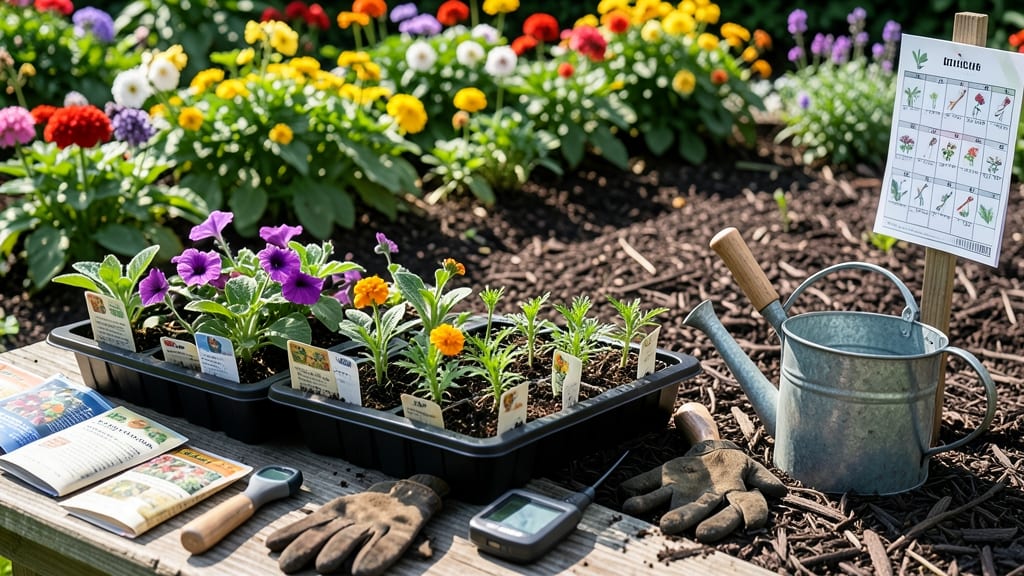
Planting flowers in North Carolina at the wrong time can mean the difference between a vibrant garden and a sad, frost-nipped failure. With USDA zones ranging from 6b to 8a, timing your 🌸 flowers just right ensures they thrive through our mild winters and hot summers.
Most NC gardeners know spring is the prime season, but did you know coastal areas like Wilmington can plant 2-3 weeks earlier than the mountains? The key is understanding your last frost date—whether it’s March 15 in Zone 6b or February 15 in Zone 8a—and adjusting accordingly.
In this guide, I’ll break down the exact months to plant annuals, perennials, and bulbs for each NC region, plus how to prep soil and pick varieties that handle our humidity and heat. Avoid common mistakes that even experienced gardeners make.
Ready to transform your yard into a year-round bloom? Let’s get those 🌸 flowers in the ground at the perfect moment for maximum color and minimal stress.
NC flower planting calendar by month: best times for annuals, perennials & bulbs
North Carolina’s USDA Zones 7a/8a offer gardeners a 150-240 day growing season—plenty of time for stunning blooms. But timing matters! Planting annuals too early risks frost damage, while perennials need time to establish roots before summer heat. Here’s my month-by-month guide for zero-frost blooms tailored to NC’s climate.
For Zone 7a (Raleigh, Greensboro), aim for March 1 as your last frost date, while Zone 8a (Wilmington, Fayetteville) can start 2-3 weeks earlier. Coastal areas like Wilmington often see earlier springs, while mountain regions near Asheville may need to wait until mid-April for safety.
I’ve organized this calendar by flower type—annuals, perennials, and bulbs—so you can focus on what thrives in your garden. Heat-tolerant varieties like Lantana and Zinnias can handle NC’s summer humidity, while cool-season bloomers like Pansies and Sweet Alyssum prefer milder temperatures.
🌱 Pro Tip: Always check your local last frost date (use the NC State Climate Office tool) and adjust by 2-3 weeks for coastal areas.
| Month | Annuals (Seeds/Transplants) | Perennials (Transplants) | Bulbs (Planting Time) | Heat-Tolerant Picks |
|---|---|---|---|---|
| February | Start cool-season seeds indoors (Pansies, Snapdragons). | Plant hardy perennials (Lavender, Russian Sage). | Plant spring bulbs (Tulips, Daffodils) 6-8 weeks before last frost. | None (too early). |
| March | Transplant cool-season annuals (Sweet Alyssum, Violas). Start warm-season seeds indoors (Marigolds, Petunias). | Divide overcrowded perennials (Daylilies, Coneflowers). | Finish planting spring bulbs (Hyacinths). | Zinnias, Lantana (after last frost). |
| April | Plant warm-season annuals after last frost (Impatiens, Begonias). | Plant new perennials (Black-Eyed Susans, Shasta Daisies). | Plant summer bulbs (Dahlias, Gladiolus). | Portulaca, Celosia (drought-tolerant). |
| May | Direct-sow heat-loving annuals (Sunflowers, Cosmos). | Mulch established perennials to retain moisture. | None (bulbs dormant). | All tropical annuals (Bougainvillea, Hibiscus). |
| September | Start fall annuals indoors (Pansies, Calendula). | Plant fall-blooming perennials (Asters, Sedum). | Plant fall bulbs (Crocus, Snowdrops) 6 weeks before first frost. | None (too late for heat-lovers). |
| October | Transplant cool-season annuals (Stock, Sweet Peas). | Divide perennials if overgrown (Hostas, Hellebores). | Finish planting fall bulbs (Tulips for next spring). | Kale, Ornamental Cabbage (edging flowers). |
March is the sweet spot for most annual flowers in NC. After your last frost date (typically March 1 in Zone 7a and February 15 in Zone 8a), you can safely plant warm-season favorites like Marigolds, Petunias, and Zinnias.
These varieties thrive in NC’s hot, humid summers and often rebloom until frost.
For perennials, early spring (March-April) is ideal for transplanting. Focus on native plants like Black-Eyed Susans and Coneflowers, which handle NC’s
How to adjust planting times for NC’s microclimates (coastal vs. piedmont vs. mountains)
North Carolina’s diverse geography means your last frost date and growing season length can vary by hundreds of miles. Coastal Wilmington enjoys 2-3 weeks earlier planting than Asheville’s highlands, while Raleigh’s Piedmont sits in between. Understanding these microclimates lets you plant at the perfect time for each region.
Coastal areas like Wilmington (Zone 8a) have warmer winters and longer frost-free seasons, while mountain regions (Zone 6b) face colder nights and shorter growing windows. Even within the same county, a 100-foot elevation change can shift your frost date by 1-2 weeks.
🌿 Key Adjustments: Coastal gardeners can start tender annuals in mid-February, while mountain gardeners should wait until mid-April. Piedmont regions like Raleigh fall in between, with late March being ideal for most flowers.
For coastal gardens, prioritize heat-tolerant varieties like Lantana and Salvia, while mountain gardens thrive with cool-season bloomers like Pansies and Sweet Alyssum. Piedmont gardens can handle a mix of both with proper timing.
Use row covers to extend your spring planting window by 2-4 weeks in cooler zones. In Zone 6b, start cold-hardy perennials like Black-Eyed Susans indoors in January for an earlier bloom. For coastal areas, focus on succession planting of annuals every 3-4 weeks to maintain continuous color.
Pro tip: Check your local Cooperative Extension Service for hyper-local frost data—some valleys can be 5°F colder than nearby ridges. With these adjustments, your 🌸 flowers will bloom reliably year after year, no matter where you garden in NC.