
Flowers
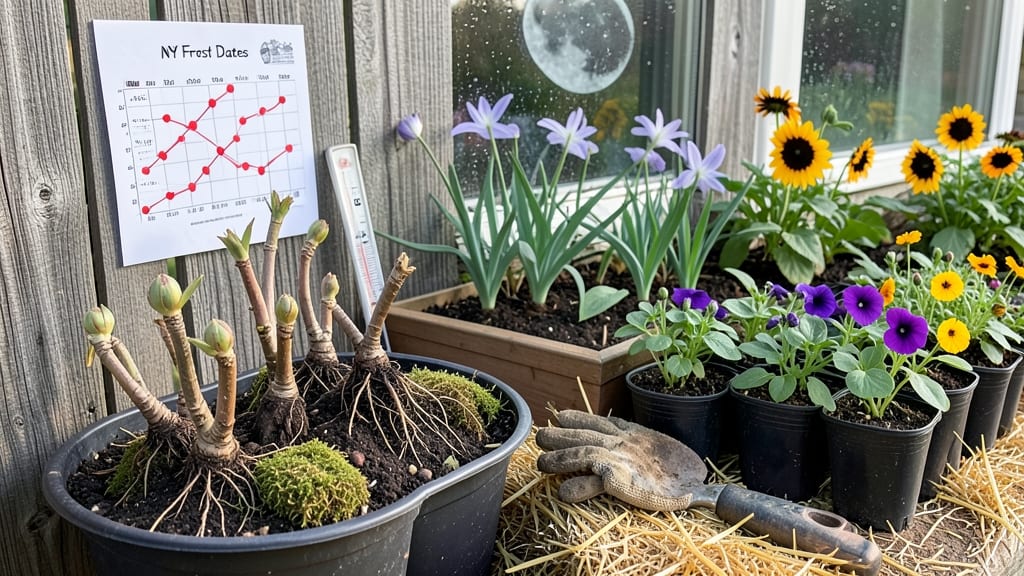
Planting flowers in New York at the wrong time can leave you staring at a garden full of frost-killed seedlings instead of vibrant blooms—don’t let that happen to you!
With USDA Zone 6’s unpredictable frost dates, timing is everything. Whether you're dreaming of petunias in summer or tulips in spring, knowing when to plant ensures your garden thrives.
I’ll break down the best months for annuals, perennials, and bulbs so you can avoid common mistakes and enjoy a year-round floral display.
From NYC’s urban heat pockets to Upstate’s cooler soils, New York’s microclimates demand smart adjustments. Learn how to prep your soil, choose the right varieties, and extend your growing season with simple tricks. Let’s turn your garden into a blooming success—no guesswork required!
Ready to skip the trial-and-error? I’ll share my top tips for planting flowers in New York, so you can focus on enjoying your garden instead of fixing mistakes. Let’s get started!
USDA Zone 6 New York planting timeline: when to plant annuals, perennials, and bulbs
New York’s USDA Zone 6 offers a long growing season for flowers, but frost dates vary by region. NYC’s last frost typically arrives by April 15, while Upstate areas may wait until May 1.
Long Island sits in between, with April 22 as the average. Understanding these microclimate differences helps you plant annuals, perennials, and bulbs at the perfect time for vibrant blooms all season.
For annual flowers like petunias and marigolds, wait until after the last frost to avoid cold damage. Heat-tolerant varieties like cosmos and zinnias can handle late starts, while cool-season annuals such as pansies thrive when planted in early spring or fall. Perennials like coneflowers and black-eyed Susans can be planted in early spring or fall, but spring planting gives them a head start for summer blooms.
Bulbs like tulips and daffodils should be planted in fall (September-October) for spring blooms. Spring-blooming bulbs need cold stratification, while fall-planted bulbs like crocus can handle early planting. Dividing perennials in early spring or fall also ensures healthy growth for the next season.
| Plant Type | Best Planting Time | Notes |
|---|---|---|
| Annual Flowers (Petunias, Marigolds) | After last frost (Mid-April to May) | Use row covers for early starts; cosmos and zinnias tolerate late planting. |
| Perennials (Coneflowers, Black-Eyed Susans) | Early spring (April) or fall (September-October) | Spring planting gives summer blooms; fall planting establishes roots. |
| Spring-Blooming Bulbs (Tulips, Daffodils) | Fall (September-October) | Needs cold stratification; plant 6-8 weeks before first frost. |
| Fall-Blooming Bulbs (Crocus, Allium) | Early fall (August-September) | Hardy to frost; blooms early spring or late fall. |
| Heat-Tolerant Annuals (Cosmos, Zinnias) | Late spring (May-June) | Thrives in summer heat; great for containers or borders. |
| Cool-Season Annuals (Pansies, Snapdragons) | Early spring (March-April) or fall (September) | Tolerates light frost; ideal for cool microclimates. |
In April, focus on preparing beds and planting hardy perennials like lavender and salvia. Cool-season annuals such as pansies and violas can be planted in early April, especially in Upstate regions where frost lingers. Direct-sow seeds for biennials like foxgloves, which need time to establish roots before winter.
May is prime time for annual flowers. Petunias, geraniums, and marigolds thrive when planted after the last frost. Heat-tolerant varieties like zinnias and cosmos can be sown directly into the ground or transplanted. Container gardening is ideal for small spaces, and fast-growing annuals like sunflowers can be started from seed.
For late summer blooms, consider fall-planted bulbs like crocus and snowdrops, which naturalize well in lawns and borders. Divide perennials in early fall to rejuvenate clumps, and plant spring-blooming bulbs by October 15 for next year’s color. Mulch heavily to protect roots from winter freeze-thaw cycles, which are common in Zone 6.
In Upstate New York, where soils stay cooler longer, delay planting annuals by 1-2 weeks compared to NYC. Long Island’s coastal breezes can dry out soil quickly, so mulch and water consistently for heat-sensitive plants like impatiens. Urban gardens in NYC may experience microclimate heat islands, making shade-tolerant annuals like begonias a great choice for west-facing walls.
To extend your blooming season, succession plant annuals every 2-3 weeks from May through July. Heat-loving flowers like portulaca and celosia thrive in late summer heat, while cool-season flowers like astors and snapdragons can be planted in early September for fall color before the first frost.
Always check your local frost dates using resources like the National Weather Service
How to adjust flower planting for New York’s microclimates: urban heat islands vs. rural cool spots
New York’s microclimates can make all the difference between a thriving garden and a struggle. In NYC’s urban heat islands, concrete absorbs heat, creating pockets that can be 5-10°F warmer than nearby areas.
Meanwhile, Upstate’s cooler soils and Long Island’s coastal breezes demand different timing and plant choices. Adjusting your approach based on your location ensures your flowers bloom beautifully all season long.
For urban heat islands, start heat-loving annuals like cosmos and zinnia a week earlier than the general guideline. These varieties thrive in the extra warmth and can handle the intense sunlight reflected off buildings.
In contrast, Upstate gardens benefit from planting pansies and snapdragons earlier, as cooler soils take longer to warm up in spring.
Here’s how to tailor your planting strategy for New York’s three key microclimates:
Container gardening is a game-changer for urban heat islands. Use lightweight pots with self-watering bases to keep roots cool. For Upstate gardens, cold frames can extend the season by 4-6 weeks, letting you plant hardy perennials like black-eyed Susans earlier in spring. In coastal areas, windbreaks made of bamboo or lattice protect delicate blooms from salt spray.
Don’t forget to monitor soil temperature—aim for 60-65°F for most annuals. Use a soil thermometer to check before planting. In NYC’s heat islands, soil can reach 80°F+ by early May, while Upstate soils may still be 50°F in the same period.
Adjust your planting schedule accordingly to avoid stressing young plants.
With these microclimate-specific tips, you’ll create a year-round floral display that thrives in New York’s diverse conditions. Start with the right plants, use the tools that fit your location, and enjoy a garden that blooms beautifully—no matter where you are in the state! 🌿