
Flowers
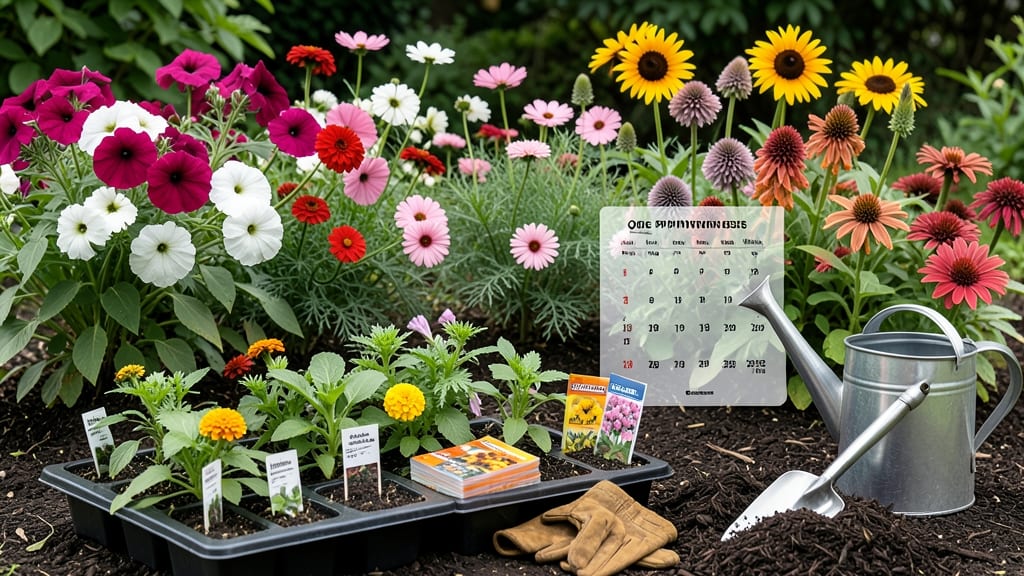
Planting your 🌸 flowers at the wrong time in Ohio can mean the difference between a showstopping garden and a sad, frost-bitten mess.
The key isn’t just waiting for spring—it’s knowing your county’s last frost date, which can vary by weeks depending on where you live in the Buckeye State.
If you’ve ever watched your delicate petunias wilt overnight or your tulip bulbs freeze before blooming, you’re not alone. Ohio’s USDA Zone 6a climate demands precision, especially when annuals like zinnias need warm soil to thrive and perennials like coneflowers must establish roots before summer heat arrives.
I’ve spent years tracking Ohio’s planting windows, and what I’m about to share will help you avoid common mistakes—like planting marigolds too early or missing the fall window for hardy mums.
Whether you’re a first-time gardener or a seasoned pro, these county-specific deadlines will give your flowers the best shot at a vibrant, long-lasting display.
Let’s dive into the exact timing you need, from bulbs that love the chill of early spring to heat-loving annuals that can’t wait for summer. Your garden’s success starts with knowing when to plant—and this is how you do it right.
Ohio’s flower planting calendar by heat Zone: last frost dates by county
Ohio’s USDA Zones 5-6 mean frost dates vary dramatically by county—sometimes by 2+ weeks. In Toledo (Zone 6a), the last spring frost typically hits April 15, while Athens (Zone 6b) may see frost until May 1.
These differences determine whether your tender annuals (like petunias) survive or wither. Even perennials planted too early can suffer stunted growth if exposed to late frosts.
For spring planting, aim to wait until after your county’s last average frost date—but don’t wait too long! Heat-loving flowers (e.g., black-eyed Susans) need 60+ frost-free days to thrive.
Meanwhile, cool-season bloomers (like pansies) can handle light frosts and should be planted 4-6 weeks before your first fall frost. Bulbs (tulips, daffodils) need an earlier window: plant them in fall (October-November) for spring blooms.
Below is your county-by-county guide to Ohio’s frost dates, tailored for annuals, perennials, and bulbs. Use this to time your planting for maximum bloom success—whether you’re in Cincinnati’s urban heat island or rural Appalachian valleys, where microclimates shift deadlines.
Pro Tip: Check your local Cooperative Extension office for real-time frost alerts, as Ohio’s weather can swing wildly. For example, Columbus might see frost in early May one year and none until June another. Flexibility is key!
| County | USDA Zone | Last Avg. Frost | First Avg. Frost | Spring Planting Window | Fall Planting Window |
|---|---|---|---|---|---|
| Ashtabula | 6a | April 20 | October 20 | May 1 - May 15 | September 1 - September 15 |
| Cuyahoga (Cleveland) | 6a | April 15 | October 15 | April 25 - May 10 | September 1 - September 15 |
| Franklin (Columbus) | 6b | April 25 | October 10 | May 1 - May 15 | September 15 - October 1 |
| Hamilton (Cincinnati) | 6b | April 20 | October 15 | April 25 - May 10 | September 15 - October 1 |
| Athens | 6b | May 1 | October 5 | May 15 - May 30 | September 20 - October 5 |
| Toledo/Lucas | 6a | April 10 | October 25 | April 20 - April 30 | September 1 - September 15 |
Notice how Toledo’s
How to adjust planting times for Ohio’s microclimates and frost risks
Ohio’s microclimates can make all the difference between a thriving garden and one that struggles with late frosts. For example, Toledo’s average last frost date is April 20, while Columbus typically sees its final freeze around April 15.
These differences mean you might plant marigolds too early in one region and too late in another, risking frost damage.
Even within the same county, urban heat islands (like downtown Cincinnati) can delay frost by a week compared to rural areas. To avoid guessing, I recommend using a soil thermometer—most flowers need soil temps of at least 55°F (13°C) before planting.
For tender annuals like petunias or geraniums, wait until the nighttime lows stay above 50°F (10°C).
Another trick is to plant cool-season flowers like pansies or snapdragons in early spring (as soon as soil is workable) or in fall (6 weeks before first frost). These hardy varieties tolerate light frosts and often bloom earlier than heat-loving annuals.
🌱
⚠️ Late Frost Alert: Protect Your Plants!
Ohio’s late spring frosts (after April 15) can still catch tender flowers off guard. Use these 3 quick fixes:
- Row covers: Lightweight fabric extends planting by 2-3 weeks—perfect for zinnias or cosmos.
- Cold frames: Create mini greenhouses for tomato plants or geraniums to harden off seedlings.
- Frost cloth: Drape over tender perennials like lavender or roses on nights below 32°F (0°C).
Pro tip: Check the National Weather Service for your county’s 10-day forecast before planting heat-lovers like sunflowers or dahlias.
For fall planting, aim to get perennials like coneflowers or black-eyed Susans in the ground 4-6 weeks before your first frost (usually October 1-15 in most of Ohio). This gives roots time to establish before winter.
In Zone 6a, I’ve had success planting bulbs like tulips in late October, but cover them with 3 inches of mulch to insulate against freezing soil.
If you’re in a warmer microclimate (like southern Ohio near Kentucky), you can push planting dates by 1-2 weeks compared to northern counties. For example, Lima (Zone 5b) might plant annuals a week later than Athens (Zone 6b).
Always check your local Extension office for county-specific data—they track frost dates annually.
Finally, choose frost-resistant varieties like shasta daisies or bearded iris, which bounce back from light freezes. Pair them with mulch (straw or shredded leaves) to protect roots down to 4 inches deep. With these adjustments, your Ohio garden can bloom earlier and longer—no frost surprises included.
☀️