
Flowers
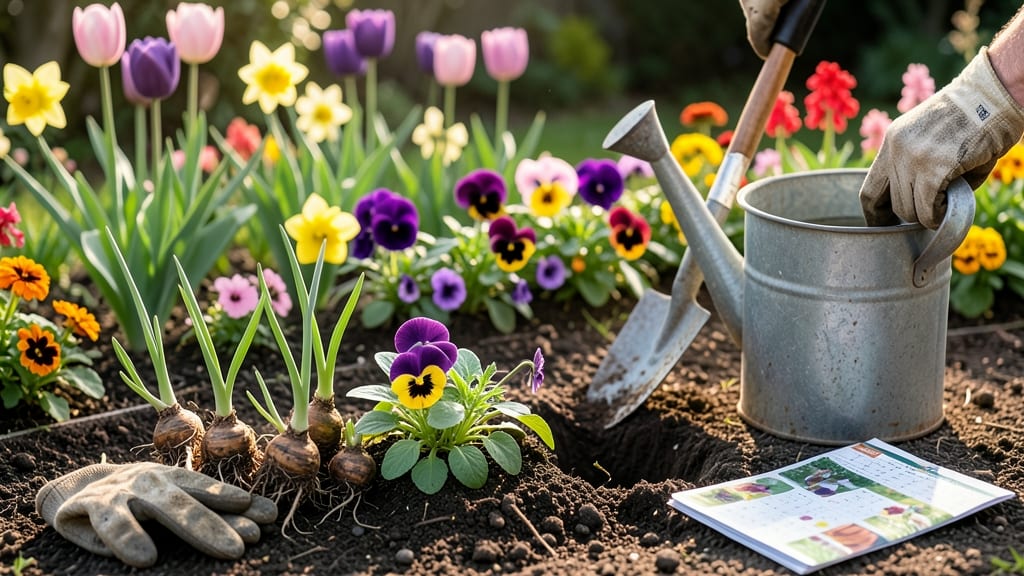
Timing your spring flower planting just right means the difference between a vibrant garden and a sad, frost-nipped disappointment. In Zone 6a, where last frost typically hits around April 15, waiting until after that date gives your 🌸 flowers the best chance to thrive without freezing overnight.
But here's the catch: not all flowers are created equal when it comes to cold tolerance. Some hardy varieties like pansies and snapdragons can handle light frosts, while others need warmer soil to take root.
I'll break down exactly which flowers to plant when, so you can avoid common mistakes that waste time and money.
You'll also discover how to prepare your soil for peak performance and extend your blooming season without risking frost damage. Whether you're a beginner or a seasoned gardener, these practical tips will help you maximize your spring planting success.
Let's dive into the perfect planting schedule tailored to your local climate, so you can enjoy a garden bursting with color from early summer through fall.
Spring planting timeline by last-freeze dates and flower types
Understanding your local last-freeze dates is the secret to successful spring planting. In USDA Zones 3-10, these dates vary dramatically—from as early as March 15 in Zone 10 to late May 15 in Zone 3.
Planting too soon risks frost damage, while waiting too long may delay your peak bloom season by weeks. I’ve organized this timeline by frost-hardy flower types so you can align your planting schedule with your region’s climate.
For cold-hardy annuals like pansies and sweet alyssum, you can start planting 4-6 weeks before your last frost date. These resilient varieties tolerate light frosts and even bloom in cooler temperatures.
Meanwhile, warm-season favorites like marigolds and zinnias should wait until 2-4 weeks after your last frost when soil temperatures reach at least 50°F. Perennials like coneflowers and black-eyed Susans can often be planted in early spring or fall, giving you flexibility.
Bulbs like tulips and daffodils are unique—they need to be planted in fall for spring blooms, but their foliage should be left to die back naturally after flowering. This ensures next year’s blooms get the energy they need.
For bulbs planted in spring (like gladiolus), aim for 2-4 weeks before your last frost to give them time to establish roots before summer heat arrives.
| USDA Zone | Avg. Last-Freeze Date | Cold-Hardy Annuals | Warm-Season Annuals | Perennials | Bulbs (Spring-Planted) |
|---|---|---|---|---|---|
| Zone 3 | May 15 | Late April (4-6 wks before) | June 1 (2-4 wks after) | Early May (after frost) | Late April (gladiolus) |
| Zone 4 | May 1 | Early April (4-6 wks before) | May 20 (2-4 wks after) | Mid-April (after frost) | Early May (canna lilies) |
| Zone 5 | April 15 | Late March (4-6 wks before) | May 5 (2-4 wks after) | Early April (after frost) | Late April (dahlia tubers) |
| Zone 6 | April 1 | Early March (4-6 wks before) | April 15 (2-4 wks after) | Late March (after frost) | Early April (caladium) |
| Zone 7 | March 15 | Late February (4-6 wks before) | March 30 (2-4 wks after) | Early March (after frost) | Late March (begonias) |
| Zone 8 | February 15 | Late January (4-6 wks before) | March 1 (2-4 wks after) | Late February (after frost) | Early March (tender bulbs) |
| Zone 9 | January 15 | Early January (4-6 wks before) | February 1 (2-4 wks after) | Early January (after frost) | Late February (tropical lilies) |
| Zone 10 | March 15 | Late February (4-6 wks before) | March 1 (2-4 wks after) | Early February (after frost) | Early March (year-round) |
In Zone 6a, where I garden, I always plant pansies and snapdragons in early April
Top 10 frost-resistant flowers that thrive in early spring planting
When spring arrives, I always look for frost-resistant flowers that can handle those unpredictable late frosts. These hardy varieties not only survive but thrive in cooler temperatures, giving you a head start on vibrant blooms.
Whether you're in Zone 3 or Zone 10, these cold-tolerant flowers are perfect for early spring planting.
Choosing the right flowers means fewer worries about frost damage and more time enjoying your garden. I’ve tested these varieties over the years, and they consistently deliver stunning results even when temperatures dip. Let’s explore the top 10 frost-resistant flowers that will keep your garden colorful and resilient.
Frost Tolerance Rating
*Ratings based on frost tolerance, bloom timing, and ease of care in early spring planting.
First up are pansies, which can handle light frosts down to 20°F. These cheerful flowers bloom early and add vibrant colors to your garden.
Plant them in well-draining soil and provide 6 hours of sunlight daily for best results. Their cold tolerance makes them ideal for early spring planting.
Next, snapdragons are another fantastic choice, surviving temperatures as low as 25°F. They come in a variety of colors and heights, making them versatile for borders or containers.
Snapdragons prefer full sun and moderate moisture, so water them consistently but avoid overwatering. Pair them with dwarf marigolds for a striking contrast.
Sweet alyssum is a low-growing annual that thrives in cooler weather and can tolerate light frosts down to 28°F. Its delicate clusters of tiny flowers add texture and fragrance to your garden. Plant sweet alyssum in partial shade to full sun and keep the soil moist but well-drained. It’s perfect for edging or filling gaps in your flowerbeds.
For a pop of color in early spring, violas are an excellent option. These hardy flowers can survive temperatures as low as 15°F and bloom prolifically in cooler weather.
Violas prefer partial shade and consistent moisture, making them ideal for containers or shaded garden areas. Their long blooming season ensures continuous color from spring to fall.
Don’t overlook calendula, which can handle light frosts and adds a cheerful yellow hue to your garden. Calendula thrives in full sun and well-draining soil, making it a low-maintenance choice.
Its edible petals also make it a practical addition to your garden. Plant calendula in early spring for a burst of color that lasts all season.
If you’re looking for a perennial option, consider coneflowers, which can tolerate light frosts and thrive in USDA Zones 3-9. These hardy plants produce striking daisy-like flowers and prefer full sun and moderate watering.
Coneflowers are drought-tolerant once established, making them a great choice for low-maintenance gardens.
Finally, lupines are a stunning addition to any garden, surviving light frosts and adding vertical interest with their tall spikes of flowers. Lupines prefer full sun and well-draining soil, and they’re known for their nitrogen-fixing abilities, which improve soil health.
Plant lupines in early spring for a dramatic display that lasts through summer.
By choosing these frost-resistant flowers, you’ll enjoy a vibrant garden even when spring temperatures are unpredictable. Each of these varieties brings unique colors and textures, ensuring your garden stays beautiful from early spring through summer. Happy planting! 🌷