
Flowers
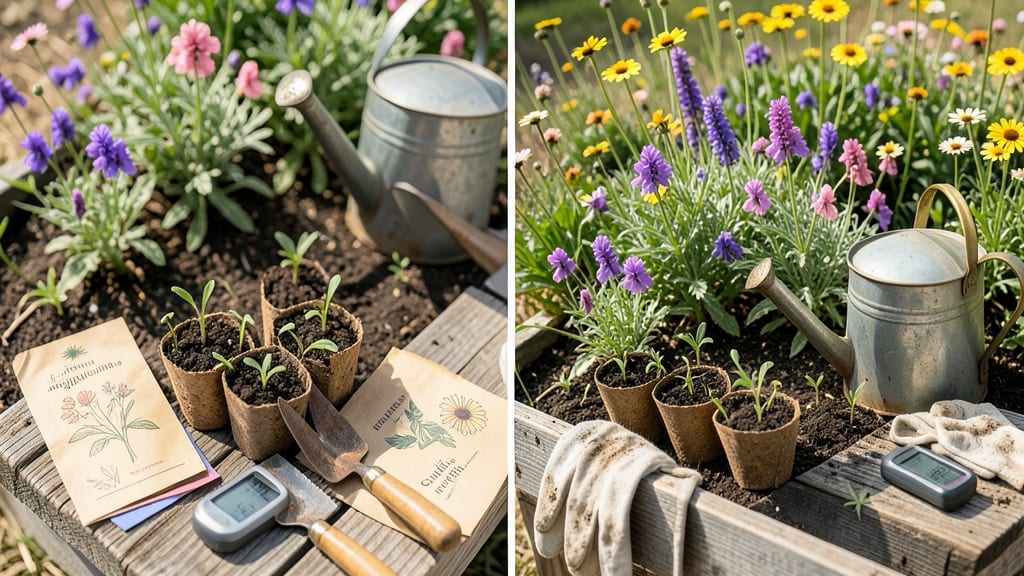
Planting flowers in Utah isn’t just about the calendar—it’s about outsmarting the state’s three wildly different frost zones that can turn your dream garden into a sad, half-survived experiment. Whether you’re in the Wasatch Front’s urban heat islands or the high desert’s chillier microclimates, getting the timing right means the difference between vibrant blooms by June and wilting disappointment by July.
I’ve spent years testing planting windows across Utah’s USDA Zones 5-7, and the key isn’t just waiting for March showers—it’s knowing when to plant annuals vs. perennials and which flowers can handle Utah’s sudden frost swings.
For example, snapdragons thrive in the cooler spring air of Cache Valley, while drought-resistant lavender needs the August-September window to establish roots before winter.
What you’re about to discover is a microclimate-specific calendar that accounts for everything from last-frost dates (which vary by hundreds of feet in elevation) to soil prep hacks for Utah’s dry conditions.
No more guessing—just proven strategies to extend your flower season from spring to fall, even in the face of Utah’s infamous “June Gloom” or early October freezes.
Ready to transform your yard into a year-round 🌸 paradise? Let’s break down the exact planting windows, frost-proofing tips, and flower varieties that will make your neighbors green with envy—literally.
Utah’s 3 frost zones: when to plant flowers by elevation and microclimate
Utah’s geography creates three distinct frost zones that dictate when you can safely plant flowers without risking frost damage. From the Low Desert at 4,000 feet to the High Alpine above 9,000 feet, each zone has unique last-frost dates and growing seasons.
Understanding these zones helps you choose the right planting windows for annuals, perennials, and bulbs to ensure vibrant blooms year-round.
In the Low Desert zone (USDA Zones 7b-9a), like St. George or Cedar City, the last frost typically occurs by March 15, giving gardeners an early start.
Meanwhile, the Mid-Mountain zone (USDA Zones 6a-7a), including Salt Lake City and Provo, faces last frosts around April 15, while the High Alpine zone (USDA Zones 4b-6a), like Park City or Logan, often waits until May 15 or later.
These variations mean a 6-week difference in planting times across Utah. For example, marigolds can go in the ground in March in the Low Desert but must wait until late April in the High Alpine.
The key is aligning your planting schedule with your local last-frost date and microclimate—whether you’re in a sheltered valley or exposed hillside.
Comparison Table: Utah’s Frost Zones and Planting Windows
| Zone & Location | USDA Zone | Last Frost Date | First Frost Date | Best Planting Window | Recommended Flowers |
|---|---|---|---|---|---|
| Low Desert (St. George, Cedar City) | 7b-9a | March 15 | November 1 | March-April (spring), August-Sept (fall) | Lavender, Zinnias, Desert Marigold |
| Mid-Mountain (Salt Lake City, Provo) | 6a-7a | April 15 | October 15 | April-May (spring), August-Sept (fall) | Snapdragons, Petunias, Coneflowers |
| High Alpine (Park City, Logan) | 4b-6a | May 15 | September 30 | May-June (spring), July-August (fall) | Delphiniums, Lupines, Hardy Geraniums |
For annual flowers, like cosmos or sunflowers, plant seeds directly into the garden after your local last-frost date.
In the Low Desert, this means early March, while in the High Alpine, wait until mid-May to avoid frost damage. Perennials, such as black-eyed Susans or daylilies, can be planted in early spring or early fall to establish roots before winter.
Bulbs like tulips and daffodils should be planted in fall (September-October) to naturalize and bloom the following spring. However, in the High Alpine zone, plant bulbs in late summer (August) to avoid winter freeze-thaw cycles that can damage them.
Always adjust for microclimates, such as urban heat islands or north-facing slopes, which can shift frost dates by 1-2 weeks.
To extend your growing season, consider fall planting for cool-season flowers like pansies or snapdragons. In the Low Desert, these can be planted as late as September, while in the Mid-Mountain zone, aim for early August.
Use row covers or cold frames to protect tender plants if late frosts threaten.
Remember, Utah’s dry climate means soil warms quickly after frost. Test your soil temperature with a soil thermometer—ideal planting temps are 60°F (15°C) for most flowers. In the High Alpine, soil may stay cold longer, delaying planting until late May or even June for heat-loving annuals like geraniums.
By matching your planting schedule to your specific frost zone, you’ll avoid common mistakes like planting too early in cold zones or missing the window in warm desert areas. Start with these guidelines, then fine-tune based on your local microclimate and past frost records.
🌱
Best flowers for Utah’s short growing seasons: fast-bloomers and cold-hardy varieties
Utah’s short growing season and unpredictable frost dates demand flowers that bloom quickly and survive temperature swings. I’ve selected 12 top performers that thrive in Utah’s USDA Zones 5-7, categorized by bloom time and frost tolerance.
These varieties will give you color from spring to fall with minimal fuss—perfect for gardeners who want zero-frost regrets.
For spring blooms, focus on cold-hardy annuals like pansies and snapdragons, which can handle Utah’s late April frosts if planted early. In summer, drought-resistant lavender and black-eyed Susans shine in Utah’s heat, while fall favorites like mums and asters thrive in cooler temperatures.
Each variety includes planting depth and spacing tips to ensure survival through Utah’s dramatic temperature shifts.
Here’s your Utah-approved flower lineup, organized by bloom season and frost resilience: