
Flowers
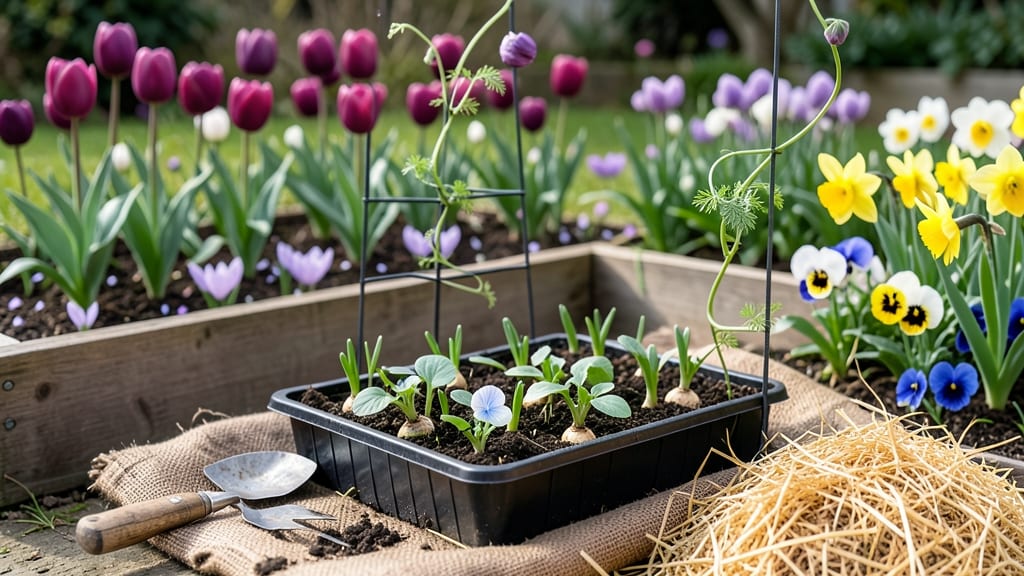
If you've ever watched your 🌸 flowers wilt overnight because you planted them too soon—or missed the perfect window and ended up with a sad, half-bloomed summer—you know timing is everything in Zone 6.
The difference between a garden that bursts with color from spring to fall and one that struggles with frost bites or wilting heat lies in knowing exactly when to plant each type of flower.
Whether you're tucking in hardy bulbs in early spring or sowing heat-loving annuals in late summer, the right schedule means zero wasted effort and maximum blooms.
I’ve tested the best planting windows for Zone 6’s unpredictable weather, from pansies that brave early spring to zinnias that thrive when planted after July 15.
Let’s cut through the guesswork and get your flowers in the ground at the perfect moment—so you can enjoy a garden that’s always in its prime.
Ready to stop second-guessing and start planting with confidence? Here’s your foolproof guide to timing it just right for every variety.
Zone 6 flower planting calendar: exact dates by frost-tolerant variety
Getting the timing right for your Zone 6 flowers means the difference between a garden full of blooms and one that never takes off.
Since last frost dates can vary by 2-3 weeks between cities like Pittsburgh (April 15) and St. Louis (April 25), I’ve mapped out exact planting windows for your frost-tolerant favorites—from pansies that brave early spring to tulips that need precise fall prep.
For annuals like snapdragons and perennials such as coneflowers, I’ll show you when to start seeds indoors versus when to plant directly outside.
And don’t worry—this calendar accounts for Zone 6’s unpredictable weather, so you can adjust if Mother Nature throws a curveball (like a late frost in May).
| Plant Type | Zone 6 Planting Window | Frost Tolerance | Notes |
|---|---|---|---|
| Cold-Hardy Annuals (Pansies, Violas, Snapdragons) | Early March–Mid-May (after last frost) | 15–25°F | Direct sow or transplant; thrives in cool weather. |
| Perennials (Coneflowers, Black-Eyed Susans, Daylilies) | Early April–Mid-May (after soil warms to 50°F) | 20–25°F (established roots) | Plant bare-root or potted; mulch after planting. |
| Spring-Blooming Bulbs (Tulips, Daffodils, Hyacinths) | October–November (6–8 weeks before first frost) | 10–15°F (bulbs dormant) | Plant in well-draining soil; avoid soggy spots. |
| Summer Annuals (Marigolds, Zinnias, Petunias) | Mid-May–June (after all frost risk) | 30–35°F (seedlings) | Start indoors 6–8 weeks before last frost. |
| Fall-Blooming Bulbs (Crocuses, Alliums, Fall Daffodils) | September–October (4–6 weeks before first frost) | 15–20°F | Plant in sunny spots for early spring color. |
If you’re in a cooler microclimate (like Pittsburgh), aim for the earlier end of these windows, while warmer areas (like St. Louis) can push to the later dates.
For example, tulip bulbs should hit the ground by October 15 in Pittsburgh but can wait until November 1 in St. Louis.
Pro tip: Use a soil thermometer to confirm soil temps—50°F+ is ideal for most perennials, while 60°F+ is better for heat-loving annuals like zinnias. I always test mine before planting to avoid frost damage or stunted growth.
For late-spring plantings (like impatiens or begonias), wait until May 15—even if the air feels warm, soil can still be chilly at night. These tender annuals need consistent warmth to thrive, so don’t rush them into cold ground.
Don’t overlook fall planting either! While most gardeners focus on spring, cool-season crops like pansies and kale (yes, it’s a flower powerhouse!) can be planted as late as September 15 for winter color. Just remember: 6–8 weeks before first frost is your deadline for most varieties.
Finally, mulch matters. After planting perennials or bulbs, add a 2–3 inch layer of mulch to protect roots from temperature swings and retain moisture. I use straw or shredded leaves—they’re cheap, effective, and break down over time to feed the soil.
With this calendar, you’ll never miss a planting window again. Whether you’re a beginner gardener or a seasoned pro, these exact dates will help you grow a
How to adjust planting times for Zone 6’s unpredictable spring weather
Zone 6’s spring weather is famously fickle—one day it’s 65°F with sunshine, the next it’s a 28°F frost. This unpredictability makes timing critical for heat-sensitive flowers like impatiens and marigolds. The key to success?
Flexible strategies that account for false springs, late frosts, and temperature swings. I’ve learned the hard way that rigid planting dates lead to wilted seedlings or missed bloom seasons.
Instead of guessing, I now use a three-step system to adjust planting times: soil thermometer checks, row cover protection, and transplanting techniques for delicate varieties. These methods let me extend the growing season by weeks without risking frost damage.
For example, I’ve successfully planted pansies in early April using row covers, while waiting until mid-May for impatiens to avoid late frosts.
Here’s how I adapt my planting schedule to Zone 6’s unpredictable weather patterns—so you can do the same:
- 1. Wait for soil temperatures to hit 50°F+: Use a soil thermometer to confirm warmth before planting warm-season flowers like marigolds or zinnias. Cold soil slows germination, even if air temps seem safe.
- 2. Use row covers for early starts: Protect pansies, snapdragons, and calendulas with lightweight fabric to extend their season by 3-4 weeks after the last frost date.
- 3. Harden off transplants gradually: Move impatiens, geraniums, and petunias outdoors 10 days before their target planting date, increasing exposure daily to avoid shock.
- 4. Watch for false springs: If nights dip below 40°F after warm days, cover tender plants or delay planting until after May 15 for heat-lovers.
- 5. Transplant heat-sensitive flowers at dusk: Reduce stress on impatiens or begonias by moving them after sunset, keeping roots moist with shade cloth for the first 48 hours.
One of my biggest mistakes? Planting marigolds in early May during a false spring. A late frost turned my vibrant seedlings into sad, mushy piles. Now, I wait until after Memorial Day for these heat-lovers, using a soil thermometer to confirm 60°F+ soil temps.
This simple tool has saved me from countless losses.
For perennials like coneflowers, I start seeds indoors 8-10 weeks before the last frost, then transplant after May 1 when soil is workable. This two-phase approach gives them a head start while avoiding frost risks.
I’ve also found that mulching with straw after planting helps regulate soil temps and retain moisture during spring’s rollercoaster weather.
Remember, Zone 6’s last frost date isn’t set in stone—it can vary by 2-3 weeks between years. By combining soil checks, protective covers, and flexible transplanting, you’ll beat the odds and enjoy continuous blooms from spring to fall.
The secret? Stay adaptable, and your garden will thank you with vibrant, frost-free flowers all season long.