
Plants
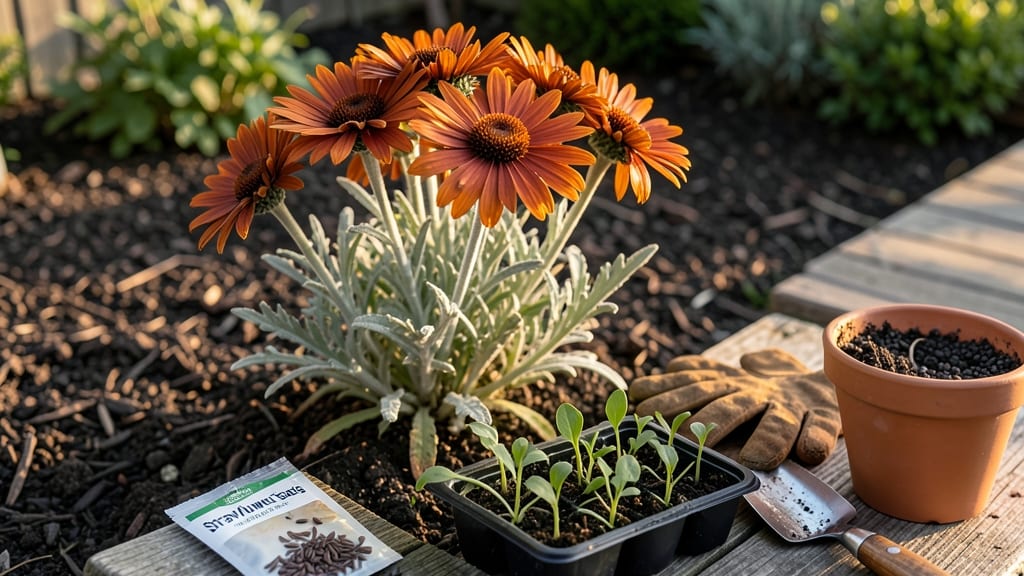
When to plant strawflower seeds just right means the difference between vibrant summer blooms and wasted effort. These drought-resistant beauties need precise planting windows—too early, and frost will kill your seedlings; too late, and you’ll miss their long-lasting paper-like flowers that last well into fall.
If you’re in USDA Zone 6a or warmer, aim for April to May after your last frost date—typically around mid-April in most regions. Strawflowers (🌼) thrive in full sun and well-drained soil, so starting them outdoors after the ground warms to at least 55°F gives them the best head start.
But what if you’re in a warmer climate? Tropical gardeners can plant as early as March, while those in colder zones may need to start seeds indoors in March for transplanting after frost. The key is balancing soil temperature and frost risk to avoid transplant shock.
Ready to grow your own? I’ll walk you through exact planting dates by zone, plus pro tips to extend blooms and keep your strawflowers thriving all season. Let’s get those seeds in the ground at the perfect time!
USDA zone planting calendar for strawflower seeds by region
Strawflowers thrive in warm weather but despise frost—so your USDA zone dictates the perfect planting window. Whether you're in Zone 3 or Zone 11, timing your seeds for soil temperatures above 55°F ensures strong germination and vibrant blooms.
Below, I’ve mapped out monthly planting windows for both direct sowing and indoor starts, plus frost-free deadlines to avoid seed loss.
For northern zones (3-7), strawflowers are annuals that need a head start indoors. In warmer zones (8-11), you can direct-sow later, even into early summer for fall blooms.
The key? Avoid planting when nighttime temps dip below 50°F, as this stunts germination. Let’s dive into your zone-specific schedule to lock in those long-lasting papery blooms.
| USDA Zone | Direct Sow Window | Indoor Start Window | Last Frost Date | Soil Temp Threshold | Notes |
|---|---|---|---|---|---|
| 3-5 | Late May - Early June | Mid-March - Early April | May 15 - June 1 | 55°F+ | Hardy but slow; use row covers. |
| 6-7 | April 15 - May 15 | Mid-February - March 15 | April 15 - May 1 | 55°F+ | Ideal for cut flowers; transplant after frost. |
| 8-9 | March 1 - April 30 | January - February | February 15 - March 15 | 60°F+ | Can direct-sow twice for extended blooms. |
| 10-11 | January - May | Not needed | No frost | 60°F+ | Plant year-round; blooms in 90-120 days. |
In Zones 3-5, where frost lingers late, I recommend starting seeds indoors 8-10 weeks before your last frost date. Use grow lights to simulate long daylight hours, and harden off seedlings for 10-14 days before transplanting.
For Zones 6-7, you can direct-sow as early as mid-April, but cover seeds with lightweight row fabric if nighttime temps dip below 50°F.
Gardeners in Zones 8-9 have flexibility—sow seeds in early spring for summer blooms or late summer for fall color. In Zones 10-11, strawflowers grow year-round, but spring and fall plantings yield the most vibrant flowers.
Pro tip: In warm zones, shade cloth during peak summer heat prevents bolting (premature flowering).
For all zones, soil temperature is non-negotiable. Use a soil thermometer to confirm readings of 55°F or higher before planting. Cold soil delays germination by weeks, leaving your strawflowers vulnerable to damping-off disease.
If your soil is too cool, wait 1-2 weeks or use black plastic mulch to warm it faster.
Transplant shock is a real risk if you rush seedlings outdoors. Acclimate them gradually by placing them in partial shade for the first 3-5 days, then move to full sun. Morning sun is gentler on tender seedlings than afternoon heat.
Water deeply at transplant time to reduce stress, and avoid fertilizing for 2-3 weeks to let roots establish.
If you miss the ideal window, don’t despair—strawflowers are tolerant of late planting. Even sowing in June can yield blooms by late summer, though expect smaller flowers. For extended blooms, try succession planting: Sow a new batch every 2-3 weeks from spring to early summer.
This staggered approach ensures continuous color from July through October.
Remember, strawflowers are drought-tolerant once established, but young seedlings need consistent moisture. Mulch around plants to retain soil moisture and suppress weeds, which compete for nutrients. In containers, use a well-draining potting mix and water when the top 1 inch of soil feels dry.
With the right timing, your strawflowers will reward you with months of papery perfection.
🌼 For a visual planting reminder, mark your calendar with your zone’s last frost date and count backward 8-10 weeks
Key factors that determine strawflower seed planting success
Planting strawflower seeds at the right time isn’t just about avoiding frost—it’s about aligning with soil temperature thresholds and growth stage sensitivity. Strawflowers germinate best when soil reaches 55°F (13°C) or warmer, but their frost sensitivity shifts as they mature.
Early seedlings can’t handle even light frosts, while established plants tolerate brief chills. This means your timing must account for both seedling vulnerability and harvest goals, whether you’re growing for cut flowers or garden display.
For cut-flower production, I recommend planting 4-6 weeks before your first expected frost date to ensure blooms mature before cold sets in. Ornamental gardeners, however, can stretch planting windows slightly later since frost-damaged blooms are less critical.
The key is balancing germination speed (10-21 days) with mature plant resilience, which develops after 6-8 weeks of growth. Late-season risks include stunted blooms or seedling rot if planted too close to frost.
- Soil Temp Threshold: 55°F (13°C) minimum for germination. Use a soil thermometer to verify.
- Frost Sensitivity: Seedlings die at 32°F (0°C); mature plants tolerate 28°F (-2°C) briefly.
- Cut-Flower Timing: Plant 90-120 days before first frost for harvest-ready blooms.
- Ornamental Timing: Stretch to 75-90 days before frost for garden display (some frost damage acceptable).
- Late-Season Risk: Planting after July 15 in most zones reduces bloom quality and increases rot risk.
Adjusting for regional microclimates is essential. Coastal areas with milder winters can plant strawflower seeds as late as June 15, while inland zones should aim for April 15-May 1.
I’ve found that container gardening in urban heat islands can extend the window by 2-3 weeks due to warmer soil. Always monitor 7-day weather forecasts—a late cold snap can turn your 6-week-old seedlings into a lost cause overnight.
Another critical factor is seedling density during early growth. Overcrowded seedlings compete for nutrients and warmth, slowing development. Thin to 12-18 inches apart once true leaves appear, but avoid thinning before soil reaches 60°F (16°C)—young roots are fragile.
For extended blooms, I stagger plantings every 3 weeks from April through June, ensuring continuous color through fall.
Late-season planting carries unique risks worth noting. After July 15, days shorten and nighttime temperatures drop faster, stressing seedlings. The biggest mistake I’ve seen is assuming "it’s still summer"—strawflowers need 14+ hours of daylight to thrive, and late plantings often result in leggy, weak stems.
To mitigate this, use grow lights for 12 hours daily if extending your window past August.
Remember, strawflowers reward precise timing with long-lasting blooms that dry beautifully for arrangements. Whether you’re aiming for cut-flower perfection or garden cheer, mastering these factors will transform your strawflower patch from hit-or-miss to showstopping.
Start with soil temperature, then adjust for your local frost patterns—your future bouquets will thank you. 🌼