
Plants
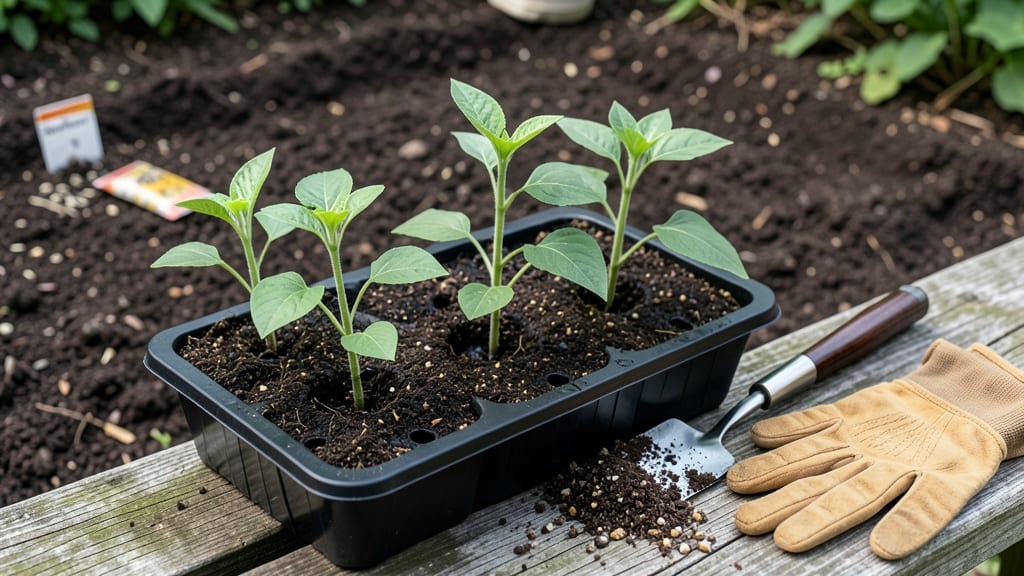
Planting sunflower seeds 🌻 in Massachusetts can make or break your summer garden—get the timing wrong, and you'll miss out on those towering blooms that brighten every backyard.
Most gardeners in zones 5b-6b know the struggle: too early, and frost zaps your seedlings; too late, and you're left with stunted plants.
The key is understanding your region's last frost dates—whether you're in Boston, the Berkshires, or Cape Cod—so you can start seeds indoors or sow directly when the soil is ready.
I've grown sunflowers for years in this unpredictable climate, and the difference between a thriving 10-foot giant and a sad, spindly plant often comes down to just a few weeks of perfect timing. Let me show you exactly when to plant for your specific corner of Massachusetts.
From soil temperature thresholds to adjusting for early frosts, we'll cover everything you need to know to grow sunflowers that reach their full potential—without the guesswork.
Massachusetts last frost dates by region for sunflower planting
Sunflowers (Helianthus annuus) love Massachusetts summers, but their success hinges on planting them after the last frost date. Since MA spans USDA zones 5b-6b, frost timing varies dramatically—from coastal Cape Cod to inland Berkshires.
I’ve broken down the average last frost dates by region to help you choose the perfect window for direct sowing or indoor starts.
For sunflowers, the soil temperature matters just as much as air temperature. Seeds need soil temps above 55°F to sprout reliably. In cooler regions like the North Shore, you might need to wait until late May, while Pioneer Valley gardeners can start as early as mid-April.
Let’s dive into the specifics for each region.
In Metro Boston, where the average last frost hits April 25, you can start sunflower seeds indoors around April 1 for transplants. Direct sowing should wait until May 10 to avoid frost damage.
The Pioneer Valley, with its earlier last frost (April 15), is ideal for early starts—even March 20 indoor sowing works for fast varieties.
Coastal areas like Cape Cod have a later last frost (May 10), so hold off on direct sowing until May 20.
The Berkshires, with its colder microclimates (USDA zone 5b), benefits from early indoor starts (March 25) and delayed outdoor planting (May 1) to maximize the growing season.
For direct sowing, aim to plant seeds 1 inch deep and 6 inches apart. Thin seedlings to 12-24 inches apart as they grow. If you’re transplanting, harden off seedlings for 7-10 days before moving them outdoors. Use row covers if nighttime temps dip below 50°F after transplanting.
Pro tip: Check the National Weather Service or local Cooperative Extension for real-time frost advisories. Microclimates—like urban heat islands in Boston or protected valleys in the Berkshires—can shift frost dates by 1-2 weeks. Always err on the side of caution with sunflowers, as they’re frost-sensitive once sprouted.
Sunflowers thrive in full sun (6+ hours/day), so choose a south-facing spot with well-draining soil. Amend heavy clay soil with compost to prevent waterlogging. Once established, sunflowers are drought-tolerant, but consistent moisture during germination (1-2 inches/week) ensures strong starts.
In windy regions like Cape Cod, consider staking tall varieties (8+ feet) to prevent lodging. For short-season areas (Berkshires), opt for fast-maturing varieties like 'Autumn Beauty' (60-70 days) over 'Russian Giant' (120+ days). With the right timing, you’ll enjoy vibrant blooms from July through October.
🌻
How to adjust planting time for sunflowers based on variety
Not all sunflowers grow at the same speed—some varieties mature in just 60 days, while others take 120+ days to reach their towering heights.
In Massachusetts, this difference means the timing between planting a dwarf variety like 'Teddy Bear' and a giant like 'Mammoth' can vary by 6-8 weeks. Understanding these differences helps you avoid stunted plants or missed harvests.
Fast-maturing sunflowers (like 'Autumn Beauty') are perfect for late starts or cooler regions like the Berkshires, while tall varieties need early planting to reach their full potential before the first frost.
I’ve learned that even a 2-week delay can mean the difference between a 10-foot sunflower and a 6-foot one—especially in shorter seasons.
Soil temperature is another critical factor. Sunflower seeds won’t sprout until the soil reaches 55°F, but for faster germination, aim for 60°F or warmer.
In Massachusetts, this typically aligns with late April to early May in most regions, but cooler areas like the North Shore may need to wait until early May. Always check soil temperature with a thermometer to avoid delays.
Here’s how to adjust your planting schedule based on sunflower varieties, including soil temperature requirements and transplanting tips:
| Variety Type | Days to Mature | Best Planting Time (MA) | Soil Temp Requirement | Transplant Tip | Fall Harvest Hack |
|---|---|---|---|---|---|
| Fast-Maturing (e.g., 'Teddy Bear', 'Autumn Beauty') | 60-70 days | Late April - early June | 55°F+ (direct sow) | No transplant needed; sow directly | Try a late July sowing for fall blooms |
| Medium (e.g., 'Moulin Rouge', 'ProCut') | 80-90 days | Mid-April - early May | 60°F+ (for faster growth) | Start indoors 2-3 weeks before last frost | Use row covers to extend season |
| Tall/Late-Blooming (e.g., 'Mammoth', 'Russian Giant') | 100-120+ days | Early April (indoors) or late March (greenhouse) | 65°F+ (optimal for germination) | Transplant after true leaves appear | Choose early-maturing varieties for fall |
For tall varieties like 'Russian Giant', I recommend starting seeds indoors under grow lights 4-6 weeks before your region’s last frost date. This gives them a head start, especially in cooler areas.
Once seedlings have 2-3 true leaves, harden them off for 7-10 days before transplanting after the last frost. Use stakes or cages early—these giants can topple in windy Cape Cod conditions!
If you’re aiming for a fall harvest, time it right by planting fast-maturing varieties in late July. Choose varieties like 'Autumn Beauty' that thrive in cooler weather.
Mulch heavily to protect roots from early frosts, and harvest seeds before the first hard freeze. I’ve had success keeping sunflowers blooming until mid-October with these adjustments.
Remember, sunflowers are resilient, but timing is everything. Whether you’re growing dwarf varieties for cut flowers or giants for shade, matching your planting schedule to the variety’s needs will give you the best results in Massachusetts’ variable climate. 🌻