
Plants
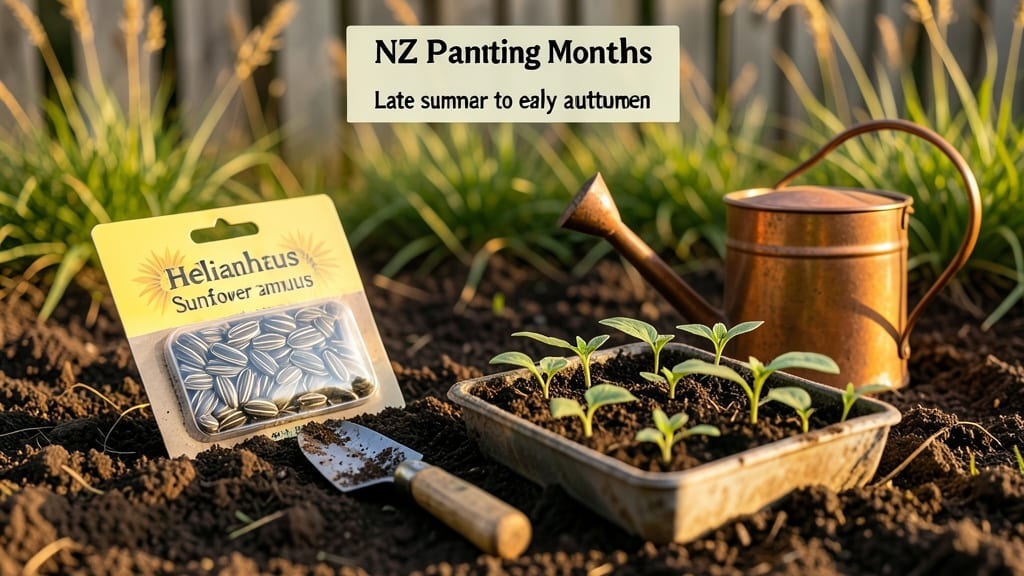
Planting 🌻 sunflower seeds in New Zealand isn’t just about picking a month—it’s about reading your region’s microclimate like a pro. Skip the guesswork, and you’ll miss the perfect window when soil warmth and frost-free days align for those towering blooms you dream of.
From Northland’s balmy summers to Canterbury’s crisp mornings, the ideal planting time shifts dramatically. What works in Auckland might fail in Dunedin, and even a single late frost can set your seedlings back weeks.
I’ll break down exactly when to plant for your specific zone, so you avoid the heartbreak of wilted dreams.
You’ll also discover how to test soil temperature (yes, it’s easier than you think) and adjust for those sneaky cold snaps that love to ruin gardening plans.
Whether you’re growing dwarf varieties for containers or giants for cut flowers, timing is everything—and I’ve got the game-changer details to set you up for success.
Ready to grow sunflowers that reach for the sky? Let’s dive into the frost-free calendar and soil secrets that’ll have your garden bursting with color—without the trial and error.
Best planting months for sunflowers in NZ by region
New Zealand’s diverse climate means sunflower planting times can vary dramatically between regions. In Northland and the Bay of Plenty, warm subtropical conditions allow year-round planting, while South Island gardens in Christchurch or Dunedin face frost risks that demand precise timing.
The key is planting when soil temperatures stay above 10°C (50°F) and frost-free periods extend for at least 60 days.
I’ve broken down the ideal planting windows by region, including last frost dates, soil temperature guidelines, and peak blooming periods to help you choose the best time for your sunflowers. Whether you’re growing dwarf varieties for containers or giant sunflowers as statement plants, timing directly impacts your success.
Here’s a quick reference for your region’s frost-free windows and planting windows:
| Region | Last Frost Date | Soil Temp for Planting | Best Planting Months | Peak Blooming |
|---|---|---|---|---|
| Northland | Late August | 10°C+ (year-round) | September–March | October–February |
| Bay of Plenty | Early September | 10°C+ (year-round) | September–April | November–March |
| Auckland | Mid-September | 12°C+ (spring) | October–March | December–February |
| Wellington | Late September | 12°C+ (spring) | October–February | January–March |
| Christchurch | Early October | 15°C+ (spring) | November–January | February–March |
| Dunedin | Mid-October | 15°C+ (spring) | December–January | February–March |
For Northland and the Bay of Plenty, you can plant sunflower seeds almost year-round, but I recommend starting in September to align with natural rainfall patterns and avoid summer drought stress.
These subtropical zones offer 250+ frost-free days, so even late plantings in March can still produce blooms before winter.
In Auckland and Wellington, wait until after the mid-September last frost date. Soil temperatures below 12°C (54°F) slow germination, so I always test soil warmth with a simple DIY thermometer (a meat thermometer works perfectly).
If your soil is still cool, opt for dwarf varieties like ‘Teddy Bear,’ which mature faster in cooler conditions.
South Island gardeners in Christchurch and Dunedin face the shortest growing seasons, with frost risks lingering until mid-October. Here, I prioritize early-maturing varieties (60-day types) planted in November to ensure blooms before winter.
Raised beds or containers with black plastic mulch can warm soil faster, giving you an extra 2-3 weeks of growing time.
Pro tip: Check the NZ MetService frost forecast 2 weeks before planting. Late frosts in Wellington
How to check soil warmth and avoid frost damage
Sunflowers need warm soil to germinate—ideally between 15-20°C (59-68°F). In New Zealand’s cooler regions, like Canterbury or Otago, even a light frost can kill young seedlings before they sprout. The key? Testing soil temperature and using MetService frost alerts to adjust your planting schedule.
Start by checking soil warmth with a simple DIY soil thermometer. Stick it into the ground where you plan to plant, about 2.5cm (1 inch) deep, and wait 10 minutes for an accurate reading.
If the temperature is below 10°C (50°F), your seeds won’t germinate—no matter how hard you water them. This is especially critical in high-altitude gardens or late-spring plantings.
For container growers in cooler climates, like Southland or Central Otago, use black plastic mulch or grow bags to warm the soil faster. These methods raise soil temperatures by 2-5°C (3.6-9°F), giving your sunflowers a head start.
Just be sure to remove mulch once seedlings emerge to prevent overheating.
🌱
⚠️ Frost Alerts Are Your Early Warning System
MetService frost warnings are your best friend when planting sunflowers in NZ. A light frost warning means temperatures will drop to 0°C (32°F) or below—enough to damage seedlings. Always check the 7-day forecast before planting, especially in March-April when late frosts are common.
Pro Tip: If frost is forecasted within 5 days of planting, delay until conditions improve or use frost cloth to protect young plants. In container gardens, move pots to a sheltered spot overnight.
If you’re planting in Northland or Bay of Plenty, where soil warms quickly, aim for late August to early September. But in Wellington or Christchurch, wait until mid-September to early October when soil temperatures consistently stay above 15°C (59°F).
For the South Island’s colder zones, like Dunedin or Invercargill, push planting back to late October or November to avoid frost entirely.
For container growers, use heat mats or greenhouse setups to extend the growing season. These tools let you plant 2-4 weeks earlier in cooler regions, giving your sunflowers a longer growing window. Just remember: never let containers sit on cold concrete—use pot feet or mulch underneath to insulate.
Finally, monitor your garden for frost damage signs: blackened leaves, mushy stems, or wilting seedlings. If you spot these, act fast—remove affected plants and cover remaining seedlings with frost cloth or old blankets until temperatures rise.
With these tips, you’ll beat frost and grow sunflowers that thrive, no matter where you garden in NZ.
☀️