
Plants
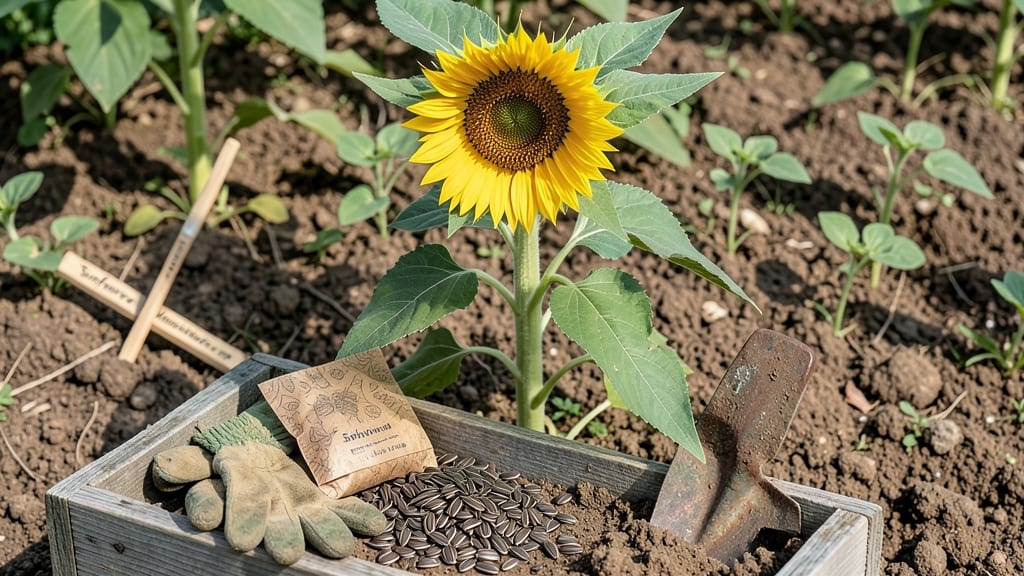
Planting sunflower seeds at the wrong time in Ohio can mean the difference between towering 🌻 blooms reaching for the sky and stunted plants struggling to survive.
With frost dates varying wildly across the state—from late April in northern counties to early April in the south—getting your timing right is the key to success.
Most Ohio gardeners should aim to plant sunflower seeds directly in the ground between mid-April and mid-June, once the soil has warmed to at least 55°F.
But here's the catch: in Zone 6a, late frosts can still sneak in, so waiting until after the last average frost date (usually around May 15) gives your seedlings the best chance to thrive.
Sunflowers are a hardy annual that loves warmth, so don't rush—planting too early can leave them vulnerable to cold snaps. Instead, focus on soil temperature and watch for those bright green leaves as your first sign that it's safe to start.
Once planted, these giants grow fast, reaching heights of 10 feet or more in just a few months. With the right timing, you'll be harvesting seeds by late summer—ready for bird feeders or next year's garden. Let's make sure you get it right the first time.
Ohio’s frost-free dates by county: the exact window to plant sunflower seeds
Ohio’s frost-free dates vary dramatically from the northern border to the Ohio River Valley, creating a challenge for sunflower growers. In Ashtabula County, the last frost typically arrives by May 10, while Adams County in southern Ohio sees frost-free conditions by April 15.
These differences mean your sunflower planting window could shift by 3 weeks depending on where you live.
Sunflowers (Helianthus annuus) thrive in USDA Zones 5-9, but Ohio’s Zone 5-6 classification still leaves room for variation. The giant varieties you love—like Mammoth or Russian Giant—need 120-140 frost-free days to reach maturity.
Planting too early risks frost damage to young seedlings, while waiting too long may cut your harvest window short.
Here’s how to use Ohio’s county-specific frost dates to pinpoint your ideal sunflower planting window. Most gardeners aim to plant 2-3 weeks after the average last frost date, giving seedlings time to establish roots before summer heat arrives.
For northern Ohio, this often means late May, while southern Ohio can start as early as mid-April.
🌱
For Cuyahoga County (which includes Cleveland), the average last frost date is May 10, but I recommend waiting until May 20 to plant sunflower seeds. This gives your giant varieties enough time to avoid late spring frosts while still ensuring a full summer growing season.
In contrast, Adams County in southern Ohio can start planting as early as April 15, taking advantage of its earlier frost-free window.
If you’re growing dwarf varieties like Teddy Bear, you can plant slightly earlier—even 1-2 weeks before the official frost-free date—since they mature faster (50-60 days).
But for tall varieties like Mammoth (which can reach 12-14 feet), I’d stick to the safer late-May window in northern Ohio to avoid stunted growth from late frosts.
Pro tip: Check your local USDA Plant Hardiness Zone (Ohio ranges from Zone 5b to Zone 6b) and cross-reference it with your county’s frost data. For example, Zone 5b areas (like Ashtabula) need 2-3 weeks later than Zone 6a areas (like Adams).
This adjustment ensures your sunflowers have enough time to bolt, flower, and set seed before Ohio’s first frost in October.
Remember, frost dates are averages, not guarantees. I always monitor the National Weather Service for 10-day forecasts in late April to confirm frost risk. If you’re in northern Ohio and see unseasonably warm
How to adjust sunflower planting time for Ohio’s unpredictable weather patterns
Ohio’s spring weather can be as unpredictable as a whirlwind, with late frosts sneaking in even after the calendar says it’s safe. Sunflowers, while hardy, need consistent warmth to thrive, so blindly following planting charts can backfire.
Instead, I’ve learned to rely on soil temperature and seedling resilience to guide my timing—especially in Zone 6a where surprises are the norm.
For most of Ohio, the ideal planting window stretches from mid-April to mid-June, but northern counties like Ashtabula often need to wait until early May. The key isn’t just the date—it’s verifying frost risk and soil readiness.
I’ve had sunflower seedlings emerge only to wilt under a 32°F night, so I’ve developed a few tricks to outsmart Mother Nature.
Even after the average last frost date, northern Ohio can see frost until May 15. Use these clues to confirm safety:
- Soil temp: Wait until 55°F+ (use a soil thermometer)
- Leaf test: Plant test crops like radishes—if they thrive for 2 weeks, it’s safe
- Night temps: Check 7-day forecasts for 40°F+ lows
My go-to method for early starts is using cold frames or row covers. I plant sunflower seeds indoors in biodegradable pots 4-6 weeks before the last frost date, then transplant them into the garden once soil warms.
This gives me a 2-week head start and protects seedlings from unpredictable cold snaps. For northern Ohio, I even extend the season by covering young plants with floating row covers until they reach 12 inches tall.
Another trick I’ve perfected is the "5-4-3 Rule" for frost verification: Check the 5-day forecast, 4 consecutive warm nights, and ensure 3+ inches of soil stays above 50°F.
I also watch for dandelions blooming—when they’re in full flower, it’s usually safe to plant sunflowers in most of Ohio. This natural indicator has saved me from planting too early more times than I can count!
For northern Ohio gardeners, extending the growing season is crucial. I’ve had success with black plastic mulch to warm soil faster and straw bales to insulate roots during late frosts. Even a simple cloche can protect seedlings until they’re sturdy enough to handle Ohio’s temperature swings.
Remember, sunflowers grow 2-3 inches per day once established—so every extra week of protection counts.
If you’re still unsure, consider planting a second batch in late May as a backup. Sunflowers are fast-growing and resilient, so even a late start can yield healthy blooms by summer’s end.
The key is flexibility—Ohio’s weather demands it! With these strategies, you’ll be harvesting giant sunflowers by late summer, no matter where you garden in the state. 🌻