
Plants
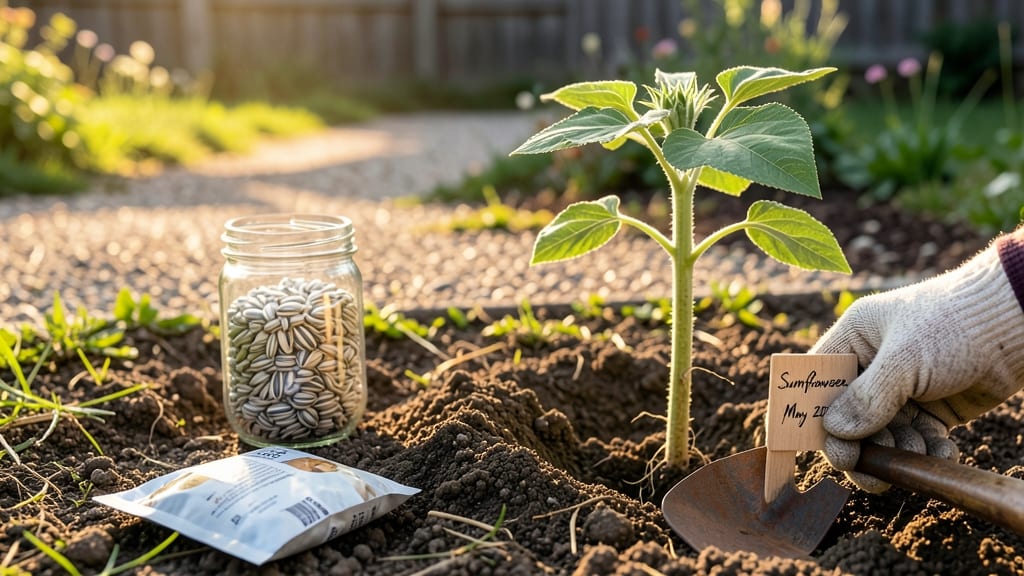
Planting sunflower seeds at the wrong time in Zone 8 can mean waiting months for those towering 🌻 blooms—or never seeing them at all.
The key to fast germination and strong stems lies in timing it just right, between 2-3 weeks before your last frost date and early summer, when soil temperatures hit that sweet spot for sprouting.
I’ve learned the hard way that rushing sunflowers into cold soil or waiting too long can turn your garden dreams into a flop. But here’s the good news: with the right window—typically March to early June—you’ll get sunflowers popping up in weeks, not months.
Let me walk you through exactly when to plant for maximum success, plus how to pick the best varieties for your Zone 8 garden.
Whether you’re growing dwarf varieties for containers or giants for cut flowers, the timing matters. We’ll cover how to adjust for your microclimate, avoid common mistakes, and even stretch your growing season for a second planting. Ready to turn your garden into a sunflower haven?
Skip the guesswork and get the fastest, easiest way to ensure your sunflowers thrive from seed to sunburst. Let’s make this your most successful planting season yet!
Best planting weeks for sunflower seeds in Zone 8 before last frost
Sunflowers love warm soil and long daylight, which is why timing your Zone 8 planting is everything. The last frost date in most of Zone 8 falls around March 15, but soil temperatures need to hit 50-55°F for seeds to germinate reliably.
Planting 2-3 weeks before your last frost gives sunflower seeds the warmth they need to sprout quickly—typically mid-to-late February in coastal areas and early March inland.
If you’re growing tall varieties like 'Mammoth' or 'Russian Giant,' aim for early March to give them plenty of time to mature before summer heat sets in. Dwarf varieties like 'Teddy Bear' can handle late March to early April plantings, as they mature faster.
The key is balancing soil warmth with daylight hours—sunflowers need 8+ hours of sun daily to thrive.
For indoor starts, begin seeds 4-6 weeks before your last frost (around February 1-15), using grow lights to supplement weak winter sunlight. Transplant seedlings outdoors 2 weeks after your last frost when soil is consistently above 50°F.
This head start helps giant varieties reach their full height potential before summer’s end.
| Planting Timeline | Zone 8 Action | Soil Temp | Sunlight Needs |
|---|---|---|---|
| 2-3 Weeks Before Last Frost | Direct sow seeds outdoors | 50-55°F (10-13°C) | 6+ hours/day |
| 4-6 Weeks Before Last Frost | Start indoors with grow lights | 65-75°F (18-24°C) | 8+ hours/day |
| Early March (Coastal) | Direct sow tall varieties | 55-60°F (13-16°C) | Full sun |
| Late March-Early April | Direct sow dwarf varieties | 60-65°F (16-18°C) | 6+ hours/day |
Zone 8’s microclimates can shift planting windows by 2-3 weeks. Coastal areas like San Diego may see frost as late as February 28, while inland valleys like Phoenix might be frost-free by January 15.
Check your local frost dates (USDA Plant Hardiness Zone Map) and adjust accordingly—soil temperature is more critical than air temperature for germination.
Sunflowers germinate in 7-14 days when soil is warm, but cold soil (below 50°F) can delay sprouting for 3+ weeks or cause seeds to rot. Use a soil thermometer to confirm readiness—if temps dip below 50°F, wait or use black plastic mulch to warm the soil faster.
This small step can mean the difference between vigorous growth and stunted plants.
For second plantings, aim for late May to early June to catch a fall harvest before frost. Choose fast-maturing varieties like 'Autumn Beauty' (55-60 days to maturity) to ensure blooms before November’s first frost. Staggered plantings every 2-3 weeks create a continuous display from summer to early fall.
Protect young seedlings from slugs and cutworms by using diatomaceous earth or row covers until plants reach 6 inches tall. Once established, sunflowers are drought-tolerant but need deep watering 1-2 times per week during dry spells.
Mulch around the base to retain moisture and suppress weeds—this saves time and keeps roots cool in Zone 8’s intense summer heat.
If you miss the spring window, don’t despair—sunflowers are heat-loving annuals that can handle summer plantings as long as soil stays warm. Just be prepared for faster maturation in hot weather.
For maximum height, fertilize with a balanced 5-10-10 when seedlings are 1-2 feet tall, but avoid over-fertilizing, which can lead to weak stems that flop in summer storms.
By following these timing guidelines and soil temperature rules, you’ll have sunflowers reaching for the sky in 60-90 days, not months. The secret? Warm soil, patience, and a little planning—your garden will thank you with towering blooms that attract pollinators all season long. 🌻
How to adjust planting time for giant vs. dwarf sunflower varieties in Zone 8
Not all sunflowers are created equal—and their planting times shouldn’t be either. Dwarf varieties (like 'Teddy Bear' at 3-4 ft) thrive with earlier starts, while giant sunflowers (like 'Mammoth' at 10+ ft) need warmer soil to reach their towering potential.
In Zone 8, this means timing your seeds just right to avoid leggy growth or stunted blooms.
I’ve found that dwarf sunflowers can handle cooler spring soil, while giant varieties need to wait until the ground warms to at least 60°F (15°C). The difference in timing ensures both types reach their full height and bloom potential without struggling through cold snaps or heatwaves.
Comparison Table: Planting Times for Dwarf vs. Giant Sunflowers in Zone 8
For continuous blooms all season, try staggered planting. Start with dwarf varieties in late February, then add semi-dwarfs in April, and finish with giants in May. This ensures flowers open from early summer through fall, giving you a non-stop sunflower show.
Zone 8’s heat can also work in your favor. Giant sunflowers planted in early June still have time to mature before first frost, especially if you choose heat-tolerant varieties like 'Russian Giant' or 'Autumn Beauty'. Just be prepared to water deeply—these towering beauties need 1-2 gallons per week once established.
Don’t forget about fall harvests! Plant a second batch of dwarf or semi-dwarf varieties in early July for blooms that last until October. These late-season sunflowers add warmth to autumn gardens and provide seeds for next year’s planting.
With the right timing, your Zone 8 garden can become a sunflower sanctuary—from tiny teddy bears to sky-scraping giants—all thriving side by side. Just remember: dwarfs first, giants last, and always check your soil temperature before planting! 🌻