
Flowers
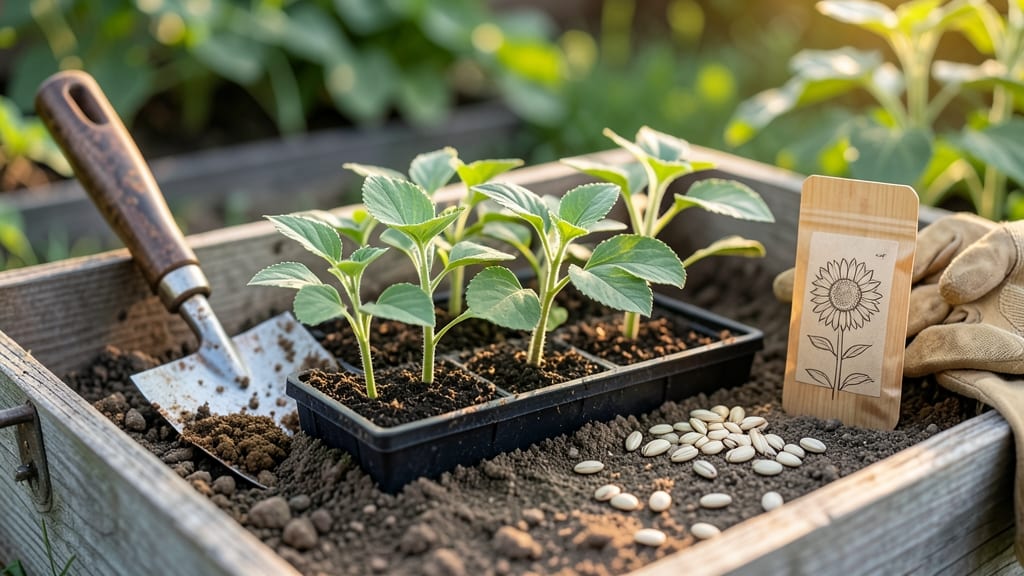
Planting sunflowers in East Tennessee at the right time means the difference between towering 🌻 blooms and sad, stunted plants. If you wait too late, those late spring frosts will nip your seedlings in the bud, while planting too early risks soggy soil and rot.
Most gardeners in Zone 6a swear by mid-April to early June as the sweet spot—but that’s just the starting point. The real magic happens when you factor in your specific microclimate, whether you’re in the cooler mountain valleys or the warmer ridges near Knoxville.
I’ll break down exactly when to pop those seeds in the ground for zero-frost success, plus which sunflower varieties thrive best in our unpredictable springs. No more guessing—just a foolproof timeline to get your sunflowers standing tall by summer.
From soil prep to frost dates, we’ll cover everything you need to know to turn your garden into a sunflower paradise. Let’s get those seeds in the dirt at the perfect moment!
East Tennessee sunflower planting deadlines by microclimate Zone (Zone 6a-7b)
East Tennessee’s diverse microclimates—from Knoxville’s urban heat islands to Asheville’s cooler mountain valleys—create critical differences in sunflower planting success. Missing the frost-free window by even a few weeks can mean stunted growth or no blooms at all. Here’s how to time your plantings for zero-frost success in each zone.
In Zone 6a (e.g., Johnson City, Bristol), the last spring frost typically arrives April 15-20, while Zone 7b (e.g., Knoxville, Sevierville) sees frost-free dates March 25-April 5.
Asheville’s higher elevation delays frost-free dates by 1-2 weeks compared to valley areas. These differences matter because sunflowers need 60-120 days to mature.
| Microclimate Zone | Last Frost Date | Spring Planting Window | Late Summer Window | Harvest Timeline |
|---|---|---|---|---|
| Zone 6a (Johnson City, Bristol) | April 15-20 | April 25 - May 15 | July 15 - August 10 | July 15 - October 5 |
| Zone 7a (Knoxville, Sevierville) | March 25 - April 5 | April 10 - May 10 | July 1 - August 5 | June 20 - October 10 |
| Zone 7b (Asheville, Waynesville) | April 5 - April 10 | April 20 - May 5 | July 10 - July 25 | July 5 - September 25 |
| Urban Heat Islands (Knoxville, Chattanooga) | March 15 - March 30 | March 25 - April 15 | June 25 - July 15 | June 10 - September 15 |
For annual sunflowers, focus on the spring window—planting after your area’s last frost date ensures strong stems and vibrant blooms. In Knoxville, this means April 10-20, while Asheville gardeners should wait until April 20-25 to avoid frost damage.
Late summer plantings (July-August) work for fast-maturing varieties like 'Teddy Bear' or 'Moulin Rouge' that bloom in 60-70 days.
Perennial sunflowers (like Helianthus species) have a narrower window—they must establish roots before winter.
Plant these 6-8 weeks before your first frost, typically August 1-15 in Zone 6a and July 25-August 10 in Zone 7b. These varieties often return the next year, but their first-year blooms may be smaller if planted late.
Soil temperature is just as critical as air temperature. Sunflower seeds won’t germinate until soil reaches 55°F (13°C). In cooler microclimates like Asheville, use black plastic mulch to warm the soil 2-3 weeks faster.
In urban areas, pavement and buildings can create microclimates 5-10°F warmer, letting you plant 2 weeks earlier than rural zones.
Watch for false springs—those warm spells in March that trick you into planting too early. In Zone 6a, a late frost after March 20 can kill young seedlings.
Harden off transplants by placing them outdoors for 2-3 hours daily starting 1 week before your target planting date to build resilience.
If you miss the spring window, don’t despair—late summer plantings still yield beautiful sunflowers. Choose dwarf varieties for containers or small spaces, as they mature faster. In Knoxville, July 15-August 10 is ideal for these, with harvests by September 20-October 5.
Just ensure they get full sun and consistent water during East Tennessee’s humid summer heat.
Pro tip: Mark your calendar for July 4th weekend—this is the last safe window for direct-sown sunflowers in most of East Tennessee. After this, daytime temperatures often exceed 90°F (32°C), stressing young plants. Use shade cloth for the first week to help seedlings establish before full sun exposure.
Remember, sunflowers are drought-tolerant once established, but they need deep watering 2-3 times per week during their first month.
In Zone 7b’s longer growing season, you can even squeeze in a second planting by June 20 for late-season blooms—just choose varieties with 80-90 day maturity like 'Autumn Beauty' or 'Russian Giant'.
🌻
How to adjust planting timing for sunflower varieties (dwarf vs. giant)
Not all sunflowers are created equal—and neither are their planting windows. In East Tennessee’s Zone 6a-7b, dwarf varieties (like 'Teddy Bear' at 36-54 inches) and giant varieties (like 'Russian Giant' at 8-12 feet) demand different timing strategies.
Dwarf types can handle cooler soils and shorter growing seasons, while giants need warmer soil temperatures and longer daylight to reach their towering potential.
For dwarf sunflowers, aim to plant seeds when soil temperatures hit 55°F (13°C)—typically late April to early May in most of East Tennessee. These hardy little giants can tolerate slightly cooler starts, making them ideal for gardeners in higher-elevation areas like Asheville where springs linger chilly.
Their shorter stature also means they mature faster, often ready for harvest by mid-summer.
Giant sunflowers, on the other hand, crave soil temps above 60°F (16°C) for optimal germination. That usually means waiting until mid-May to early June—especially in warmer valleys like Knoxville.
These varieties need every warm day to stretch toward their impressive heights, so planting too early risks stunted growth from cool nights. Think of it like waiting for the last frost to truly fade before inviting these sun-loving giants to the party.
Here’s the key difference: dwarf sunflowers can handle 60-70 days to maturity, while giants often need 100-120 days. That extra time means giants must start their journey later to avoid late-summer heat stress, while dwarfs can bolt ahead in cooler conditions.
| Variety Type | Optimal Planting Window | Soil Temp for Germination | Days to Maturity | Best for East TN Microclimate |
|---|---|---|---|---|
| Dwarf (36-54") | Late April–Early May | 55–60°F (13–16°C) | 60–70 days | Mountain valleys, cooler zones |
| Giant (8–12 ft) | Mid-May–Early June | 60–65°F (16–18°C) | 100–120 days | Warmer ridges, Knoxville area |
Pro tip: Use a soil thermometer to check temps before planting—giant varieties won’t germinate well below 60°F, no matter how eager you are. For dwarfs, a quick soil test ensures they won’t rot in soggy spring conditions.
Both types thrive with well-draining soil, but giants need extra phosphorus to support their massive root systems.
If you’re in a transition zone (like the Smoky Mountains foothills), consider starting dwarf varieties indoors 4 weeks before your last frost date to give them a head start.
For giants, direct sowing after Memorial Day is your safest bet—just be prepared to stake them early, as their towering stems need support against East Tennessee’s summer winds.
Remember: sunflowers are resilient, but timing is everything. Plant dwarfs early for quick summer blooms, and giants later for those jaw-dropping autumn displays. Either way, you’ll have a garden that turns heads—literally! 🌻