
Flowers
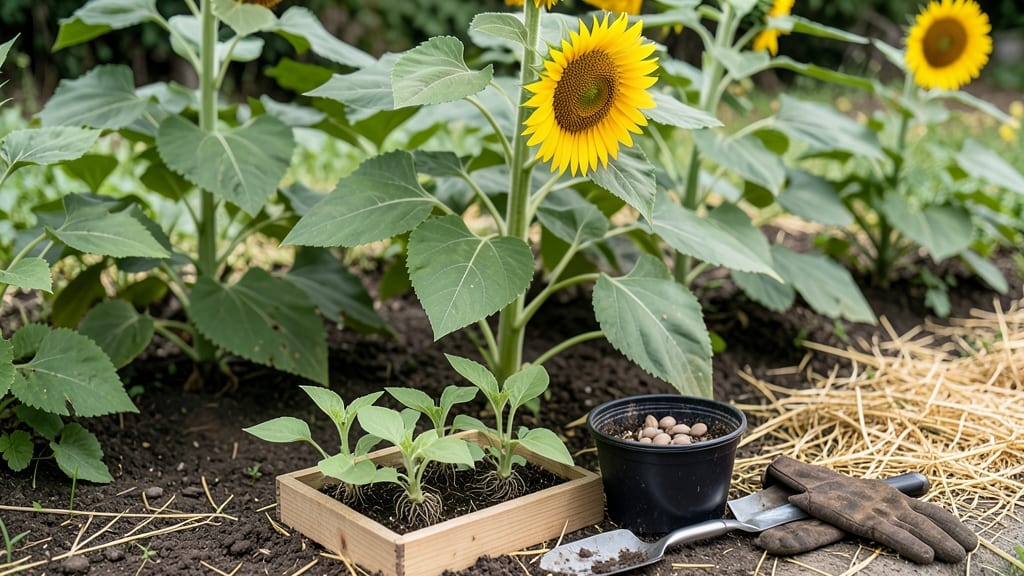
Planting sunflowers in Georgia at the wrong time can mean the difference between towering, vibrant blooms and wilted disappointment. With USDA Zones 7b-8a offering a long growing season, timing is everything to avoid frost damage or stunted growth.
Whether you're a seasoned gardener or just starting, knowing the exact window to plant your 🌻 sunflowers ensures a thriving garden from late summer through fall.
Most Georgia gardeners make the mistake of rushing their sunflower planting—either too early when frost still lingers or too late when the heat sets in.
The ideal time to plant is after the last frost date, typically mid-March to early June for spring, or late July to early August for a summer harvest. This gives your sunflowers the 75-120 days they need to mature before Georgia’s first frost in late November.
But here’s the secret: the key to success isn’t just the calendar—it’s the soil temperature. Your 🌻 sunflowers thrive when the soil reaches at least 50°F, which usually aligns with late April or early May in most of Georgia.
If you’re in a cooler microclimate like the mountains, wait until early June to avoid frost surprises. For warmer areas like Savannah, you can start as early as mid-March.
In this guide, I’ll walk you through the exact planting schedule for your region, plus pro tips to extend your sunflower season—so you can enjoy those golden blooms from August all the way through October. Let’s get your garden ready for a sunflower showstopper!
Optimal sunflower planting dates in Georgia by USDA Zone 7b-8a
Georgia’s sunflower growing season spans from March to October, but the exact timing depends on your location within USDA Zones 7b-8a. In Atlanta (Zone 7b), the last frost typically occurs around mid-March, while Savannah (Zone 8a) enjoys frost-free conditions by early March.
Augusta falls somewhere in between, with last frost dates around late February to early March. These variations mean your planting schedule should adjust based on microclimates and elevation.
For direct sowing, wait until soil temperatures reach 50°F (10°C)—a critical threshold for sunflower germination. In Zone 7b, this usually aligns with mid-April, while Zone 8a gardeners can start as early as late March.
Transplants, if used, should go in 2-3 weeks after direct sowing begins to ensure they establish roots before summer heat peaks. This staggered approach helps extend your blooming season from late summer to early fall.
Here’s a quick reference for your region:
| Region | Last Frost | Direct Sow Start | Transplant Start | Late-Season Window |
|---|---|---|---|---|
| Atlanta (Zone 7b) | Mid-March | Mid-April | Late April | Late July |
| Savannah (Zone 8a) | Early March | Late March | Early April | Early July |
| Augusta (Zone 7b-8a) | Late Feb-Early March | Early April | Mid-April | Late June |
For continuous blooms, I recommend planting in three waves: early (March-April), mid (May), and late (July). This strategy ensures you’ll have sunflowers in bloom from June through October.
Early plantings benefit from cooler spring temperatures, while late plantings avoid the peak summer heat that can stress young seedlings. Choose dwarf varieties like ‘Teddy Bear’ for early plantings—they mature faster and won’t topple in summer storms.
Soil temperature is just as critical as air temperature. Use a soil thermometer to confirm readiness—sunflowers won’t germinate well below 50°F (10°C). In Zone 7b, this often means waiting until after Easter for reliable germination.
If you’re eager to start earlier, consider using black plastic mulch to warm the soil faster. This trick can shave off 1-2 weeks from your planting timeline, especially in cooler microclimates like the North Georgia mountains.
Transplanting sunflowers is less common but can work if you start seeds indoors under grow lights 4-6 weeks before your last frost date. Harden off seedlings for 7-10 days before transplanting to avoid shock.
The key is to plant transplants deeper than container-grown seedlings—bury them up to their first true leaves to encourage strong root systems. This method is ideal for late-season plantings in August, giving you a second flush of blooms before frost.
Watch for first frost warnings in November to plan your final harvest. Most sunflowers mature in 80-100 days, so aim to have seeds fully developed before temperatures dip below 32°F (0°C).
In Zone 8a, you might even squeeze in a fall planting in early September for late-season blooms. Just be prepared to protect young plants with row covers if frost threatens early.
Pro tip: Mark your calendar for Georgia’s average first frost dates—Atlanta typically sees frost by November 15, while Savannah holds off until December 1. Use this as your cutoff for late plantings.
For extra insurance, select heat-tolerant varieties like ‘Autumn Beauty’ or ‘Moulin Rouge,’ which thrive in Georgia’s humidity and handle summer’s intensity better than standard types.
Finally, don’t forget to test your soil pH before planting—sunflowers prefer 6.0-7.0. Amend with lime or sulfur if needed, and add compost to improve drainage. Well-prepared soil sets the stage for taller, healthier sunflowers that’ll reward you with vibrant blooms all season. 🌻
How to extend your sunflower season in Georgia: frost-proofing tips
Georgia’s first frost typically arrives in late November, but with the right strategies, you can push your 🌻 sunflowers to bloom well past that date. The secret lies in combining succession planting, frost-resistant varieties, and protective measures like row covers.
These techniques let you enjoy sunflowers from June through October—or even later—without losing your investment to chilly nights.
One of the most effective ways to extend your season is through succession planting. Instead of relying on a single planting, stagger your seeds in three waves: early (March-April), mid (May), and late (July).
This ensures continuous blooms as each batch matures at different times. For late-season plantings, choose fast-maturing varieties like ‘Autumn Beauty’ that can complete their lifecycle before frost arrives.
Here’s how to maximize your sunflower season with proven frost-proofing strategies:
- 1 Use row covers to protect young plants from unexpected frosts. Lightweight frost cloth raises temperatures by 5-8°F and can be removed during the day for pollination.
- 2 Plant frost-resistant varieties like ‘Moulin Rouge’ (85 days) or ‘Teddy Bear’ (55 days). These handle Georgia’s heat and humidity better than standard types.
- 3 Warm soil faster with black plastic mulch. This raises soil temps by 10°F+, letting you plant 2-3 weeks earlier in spring or extend late plantings by weeks.
- 4 Choose late-maturing varieties like ‘Russian Giant’ (120 days) for fall plantings. These can handle Georgia’s shortened daylight in late summer better than early-season types.
- 5 Harvest seeds before frost. If flowers won’t mature fully, cut heads when 70% of back petals turn brown and dry indoors for seed saving.
For late-season plantings in August or September, focus on dwarf varieties like ‘Little Becka’ (50 days). These stay compact even in Georgia’s heat and won’t topple in storms. Pair them with stakes or cages for extra support.
I’ve had success with this combo in Zone 7b, where late plantings often face shorter daylight—dwarfs compensate by maturing faster.
Watering plays a crucial role in frost protection. Deep watering in the morning (1-2 inches per week) helps sunflowers develop thicker stems that withstand light frosts. Avoid evening watering—wet foliage freezes harder.
In Zone 8a, where frosts are rare, you can push plantings into early October for late-season blooms, but always monitor weather forecasts.
Pro tip: Mark your calendar for Georgia’s average first frost dates—Atlanta usually sees frost by November 15, while Savannah holds off until December 1. Use this as your cutoff for late plantings.
For extra insurance, select heat-tolerant varieties like ‘Autumn Beauty’ or ‘Moulin Rouge,’ which thrive in Georgia’s humidity and handle summer’s intensity better than standard types. With these strategies, you can enjoy sunflowers well past the typical frost date and extend your garden’s golden season.
🌻