
Flowers
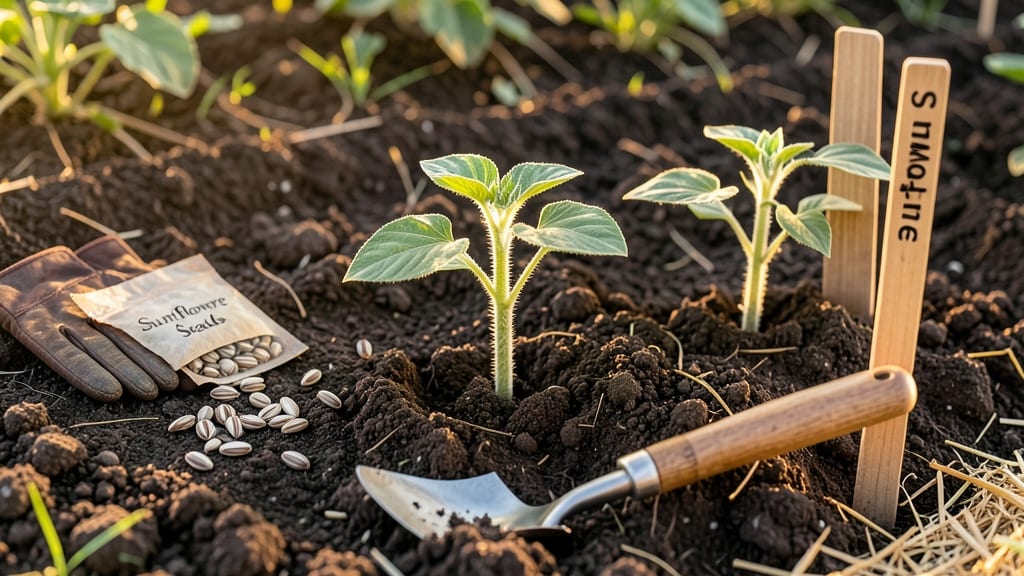
Planting sunflowers in Idaho at the wrong time can mean the difference between a 12-foot pollinator magnet and a sad, stunted plant that never blooms. The key isn’t just waiting for spring—it’s understanding your county’s frost dates and heat zones, which can vary wildly from Boise to Coeur d’Alene.
I’ve grown sunflowers 🌻 in Idaho for years, and let me tell you: timing is everything. Whether you’re in Zone 4’s cooler valleys or Zone 7’s warmer pockets, getting those seeds in the ground too early or too late can spell disaster.
The good news? With the right cues—like soil temperature and last-frost averages—you can set your sunflowers up for success every time.
In this guide, I’ll break down exactly when to plant based on Idaho’s five heat zones, plus tips for adjusting to microclimates, high-altitude areas, and even urban heat islands.
You’ll learn which varieties thrive in short seasons versus long ones, and how to time your planting for maximum height and bloom power.
Ready to grow sunflowers that reach for the sky? Let’s dive into the frost-date calculator and planting strategies that actually work for Idaho gardens.
Idaho’s sunflower planting timeline by county heat zones
Idaho’s diverse climate zones—ranging from Zone 3 in the north to Zone 7 in the south—mean your sunflower planting timeline can vary by 6 weeks or more. In Kootenai County (Zone 4), you’ll plant in early May, while Twin Falls (Zone 7) gardeners can start by mid-April.
Understanding your last frost dates is key to avoiding frost damage on tender seedlings.
Sunflowers thrive in warm soil (at least 55°F) and need 60-90 days to mature. Plant too early in cooler zones, and you risk stunted growth. Too late, and your blooms may arrive after first frost in September.
Let’s break down the ideal windows by zone, so you can plant with confidence and enjoy towering sunflowers all summer.
Pro Tip: Use row covers in early spring to protect seedlings in Zone 3-5 areas like Bonner’s Ferry or Sandpoint. This extends your planting window by 2-3 weeks without risking frost damage.
In Zone 7, like Twin Falls, you can start sunflowers as early as late March if you use black plastic mulch to warm the soil. This trick works wonders for early blooms and extends your growing season by 3-4 weeks.
For Zone 3 areas, wait until after May 15—planting earlier risks frost damage to young plants.
For direct sowing (the easiest method), scatter seeds ½ inch deep and 12 inches apart. In Zone 5-7, you can even try succession planting every 2 weeks for continuous blooms. Just remember: taller varieties need more space and support.
If you’re in Zone 4 or colder, consider starter plants from local nurseries. They’ll give your sunflowers a 2-week head start over seeds. For Zone 7, you can even sow a second crop in early July for late-summer blooms before frost.
Watch for soil temperature—sunflowers won’t germinate well below 55°F. Use a soil thermometer to check before planting. In high-altitude areas like Sawtooth Mountains, wait until late May to avoid cool nights that slow growth.
Once planted, sunflowers are low-maintenance. Just keep soil moist but not soggy and watch for bird damage—use mesh netting if needed. With the right timing, you’ll have sunflowers reaching 10+ feet by summer’s end, turning heads and attracting pollinators all season.
🌻
How to adjust sunflower planting for Idaho’s microclimates
Idaho’s diverse landscapes mean your sunflower’s success depends on where you live. In urban Boise, heat islands can push frost dates back by weeks, while high-altitude areas like the Sawtooth Mountains may have frost lingering until June.
Even neighboring towns can have 5-7°F temperature differences, so one-size-fits-all planting advice won’t cut it.
I’ve seen sunflowers thrive in downtown Meridian when planted in late April, only to fail in nearby Mountain Home’s cooler valleys if planted at the same time. The key is understanding how your specific microclimate affects soil warmth and frost risk.
Let’s break down how to adjust your planting strategy based on where you garden.
⚠️ WARNING: Common Mistake in Idaho Gardens Sunflowers need soil temperatures above 55°F to germinate properly. Many gardeners in Zone 5-6 plant too early, thinking "late spring" means "April 15," but cold soil delays germination by 2-3 weeks.
Use a soil thermometer—plant only when readings hit 60°F+ for 3+ days. In high-altitude areas, this could mean waiting until mid-June!
For urban gardeners, city heat can create false confidence. While downtown areas may seem warm, nighttime temperatures still drop sharply in May. Use black plastic mulch to warm soil faster, or opt for fast-maturing varieties like 'Teddy Bear' that tolerate cooler conditions.
I’ve had success planting in late May in Nampa by using row covers for the first 2 weeks.
In rural and high-altitude zones, the biggest challenge is late frosts. The Sawtooth Mountains often see frost as late as June 10, so wait until after Memorial Day to plant.
Choose early-blooming varieties like 'Autumn Beauty' (70-day maturity) to ensure flowers open before the first frost. For extra protection, plant near south-facing walls or fences that absorb heat during the day.
Soil temperature tricks can extend your growing season by 2-4 weeks.
Try these methods: - Dark-colored mulch (like cardboard + black plastic) raises soil temps by 5-10°F - Clear plastic tunnels create microclimates that warm soil faster - Plant in raised beds—they warm up 2-3 weeks earlier than in-ground soil I’ve seen sunflowers germinate in May in raised beds when in-ground soil was still too cold.
Remember: Idaho’s microclimates aren’t just about frost dates—they’re about growing degree days. Use your local Cooperative Extension Service frost charts (available for all counties) to calculate your last frost probability. Then add 14-21 days to that date for your planting window.
For example, if your area has a 10% frost risk on May 20, plant sunflowers by May 5** to ensure blooms before fall frosts.
Your sunflowers will reward you with taller stems and bigger blooms when you match your planting to your microclimate. Start with a soil thermometer, adjust for your specific location, and don’t be afraid to push your planting window later if your area runs cool.
With these adjustments, you’ll get sunflowers that reach their full potential—no matter where in Idaho you garden. 🌻