
Flowers
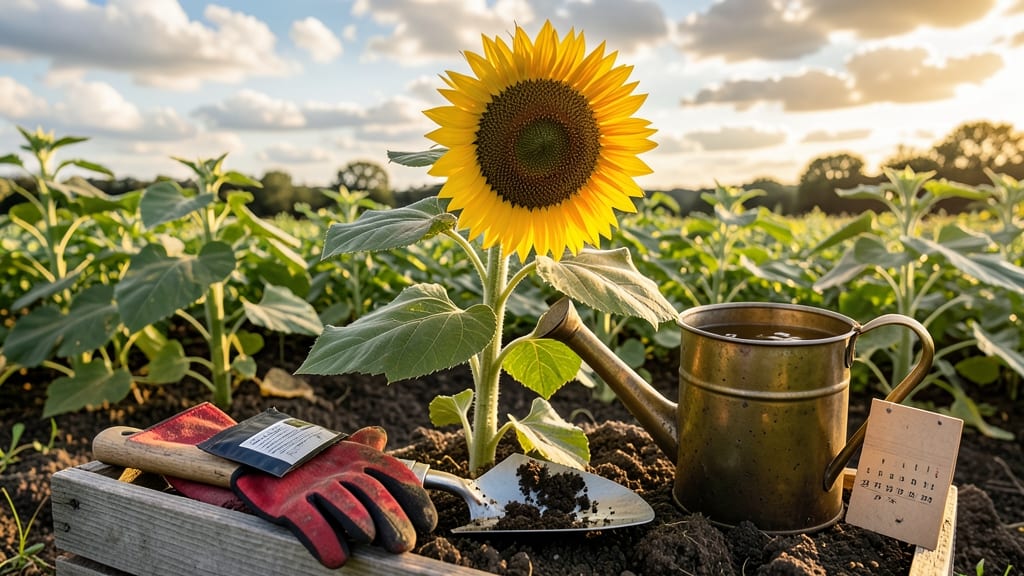
Planting sunflowers in North Carolina at the wrong time can mean the difference between a vibrant summer garden and a sad, wilted disappointment.
The key is timing your seeds right—after the last frost but before the heat of July sets in—so your 🌻 sunflowers have enough time to grow tall and strong.
In North Carolina’s USDA zones 7a-8b, the ideal window stretches from mid-April to mid-June, depending on your county’s microclimate. Whether you’re in the Piedmont or the coast, getting this right ensures your sunflowers bloom from late July straight through October, giving you months of cheerful color.
But here’s the catch: planting too early risks frost damage, while waiting too long can leave you with stunted blooms. I’ll break down the exact frost-free timeline by region, plus tips for adjusting if you’re in a high-altitude area or urban garden.
Let’s get those seeds in the ground the right way!
You’ll also discover how to choose the best sunflower varieties for your growing season—whether you want towering giants or compact varieties—and how to keep them thriving with minimal fuss. Ready to grow a sunflower spectacle? Let’s dive in.
North Carolina sunflower planting dates by heat Zone (USDA zones 7a-8b)
North Carolina’s diverse climate—from the coastal plains to the mountainous west—means sunflower planting dates vary by USDA zone. In Zone 7a (western NC), you can start seeds as early as late March, while Zone 8b (coastal areas) allows planting until mid-June for late-season blooms.
The key is planting when soil temperatures hit 55°F+ and all frost risk has passed.
For maximum bloom duration, I recommend a staggered approach: sow early varieties in April, mid-season types in May, and late-blooming giants in June.
This ensures continuous color from July through October, even as summer fades into fall. Cooler mountain regions (Zones 7a-7b) should prioritize fast-maturing varieties to avoid frost damage.
Here’s a quick reference for optimal planting windows by NC heat zone, including soil temperature thresholds and frost-free dates:
In Zone 7a, where frosts linger until mid-April, I always use black plastic mulch to warm the soil faster.
For Zone 8b, I opt for heat-tolerant varieties like ‘Moulin Rouge’ or ‘Autumn Beauty’ to handle summer’s humidity. Soil temperature is non-negotiable—seeds won’t germinate below 55°F, even if the air feels warm.
For coastal NC (Zone 8b), where humidity is high, I recommend spaced-out planting to improve airflow and prevent fungal diseases. In drier Piedmont regions (Zone 7b), focus on deep watering during germination to encourage strong root development. Mountain zones (7a) benefit from raised beds to prevent waterlogging.
If you’re in a transition zone (like Zone 7b/8a), split your planting into three batches: early April, mid-May, and early June. This extends your bloom season from July to October, even if late frosts hit.
For container gardening, start seeds indoors 4–6 weeks before your last frost date and transplant after soil warms.
Pro tip: Use a soil thermometer to confirm readiness—60°F+ speeds up germination from 7–10 days to just 3–5 days.
In Zone 7a, I often cover seeds with row fabric to protect against late frosts, while Zone 8b gardeners can skip this step entirely. Wind exposure also matters: coastal areas may need staking or windbreaks for tall varieties.
For late-season blooms, plant short-day varieties like ‘Teddy Bear’ in June. These varieties bloom faster in shorter daylight hours, giving you fall color when other sunflowers fade.
In Zone 7a, I’ve seen ‘Teddy Bear’ bloom as late as October with proper care. Succession planting every 2–3 weeks ensures a continuous display.
Remember: Sunflowers hate cold soil. If you plant too early and hit a 50°F night, germination stalls. Always check your local frost dates (NC State Extension is a great resource) and adjust by 2–3 weeks for safety.
With the right timing, your sunflowers will reach their full height—some towering over 12 feet—and provide months of cheerful blooms. 🌻
How to adjust sunflower planting for North Carolina’s microclimates
North Carolina’s diverse landscapes—from the coastal plains to the Piedmont foothills—create unique challenges for sunflower growers. While the general rule is to plant after the last frost, your local microclimate can shift that window by weeks.
For example, Asheville’s cooler highlands may need sunflowers started in early May, while Wilmington’s warm coast can handle late April plantings without stress.
Urban gardeners face additional hurdles like heat island effects and limited space, while rural areas might deal with strong afternoon winds that topple tall varieties. The key is adapting your approach: soil amendments, windbreaks, and succession planting can all extend your sunflower season by months.
⚠️ callout warning ⚠️
While sunflowers tolerate heat, planting too late—especially in USDA Zone 7a areas—can result in stunted growth before frost. In Raleigh or Charlotte, aim for mid-April; in Mountain regions, wait until early May when soil reaches 55°F+. Use a soil thermometer to avoid guessing!
Pro Tip: Coastal areas (like Morehead City) can plant 2 weeks earlier due to warmer soils.
For urban gardens, prioritize dwarf varieties like ‘Teddy Bear’ (2–3 ft tall) to avoid wind damage and crowding. Amend soil with compost or aged manure to improve drainage, as city soils often compact. In container gardens, use large pots (12"+ diameter) with drainage holes to prevent root rot.
In the Piedmont region, where afternoon winds are common, create windbreaks using corn stalks or bamboo stakes tied to the sunflower stems. This supports tall varieties like ‘Russian Giant’ (12+ ft) and prevents lodging.
For coastal areas, focus on salt-tolerant soil amendments like gypsum if your garden borders marshy ground.
Extend your sunflower season with succession planting: sow a second batch in early June for late-summer blooms. Choose fast-maturing varieties (50–60 days to bloom) like ‘Autumn Beauty’ for this strategy. In Zone 8b areas (e.g., Greenville), you might even squeeze in a third planting in early July!
Finally, monitor for squirrel damage—a common issue in NC. Use chicken wire cages around young seedlings or plant near bird feeders to distract them. With these microclimate adjustments, your sunflowers will thrive from July to October, no matter where you garden in the Tar Heel State.