
Flowers
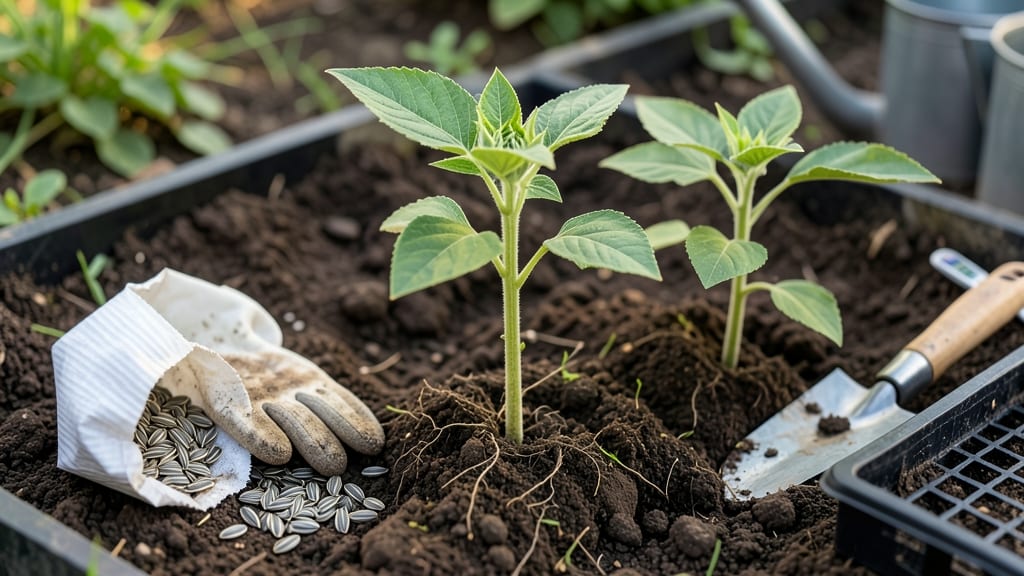
Planting sunflowers in New York at the wrong time can mean the difference between a stunning summer display and a sad, shriveled failure. With USDA Zone 6a frost dates ranging from mid-April to early June, timing your 🌻 seeds just right is key to success.
Most New York gardeners wait until after the last frost—typically around April 15—but soil temperature matters just as much. Sunflowers need warm earth (at least 50°F) to germinate properly, so rushing the process can leave your seeds struggling.
In this guide, I’ll break down the perfect planting windows for your region, whether you’re in upstate New York or the city. You’ll also learn how to extend your growing season with simple tricks, so you can enjoy those towering blooms from July through October.
Ready to grow sunflowers that reach their full potential? Let’s get started with the timing secrets that work in New York’s climate.
NY planting zones and sunflower frost-resistant timing guide
New York’s diverse climate—from the Adirondacks in Zone 3 to Long Island in Zone 7—means sunflower planting windows vary dramatically. While Zone 3 gardeners wait until late May, Zone 7 growers can start as early as mid-April.
The key? Aligning your planting with soil temperature thresholds (minimum 50°F/10°C) and last frost dates, which can differ by weeks across the state.
Sunflowers are frost-resistant once established, but young seedlings can’t handle even light freezes. Direct-sow after frost danger or use row covers for early starts. For giant varieties (like 'Mammoth'), aim for early June in colder zones to ensure a full growing season before first frost (typically mid-October).
Dwarf varieties, however, can tolerate cooler temps and often mature faster.
Here’s how to match your USDA Zone to the perfect planting window, including soil temperature and last frost benchmarks for NY:
| USDA Zone | Last Frost Date | Optimal Planting Window | Soil Temp Threshold | Notes |
|---|---|---|---|---|
| Zone 3 (Adirondacks, Northern NY) | May 15–June 1 | Late May–early June | 55°F (13°C) | Use row covers for early starts; giant varieties may not mature fully. |
| Zone 4 (Western NY, Finger Lakes) | May 1–May 15 | Mid-May–late May | 50°F (10°C) | Ideal for mid-size varieties like 'Teddy Bear'; watch for late frosts. |
| Zone 5 (Central NY, Hudson Valley) | April 25–May 10 | Early May–mid-May | 48°F (9°C) | Perfect for dwarf and standard sunflowers; transplant starts if needed. |
| Zone 6 (NYC, Long Island) | April 15–April 30 | Mid-April–early May | 45°F (7°C) | Early planting possible; giant varieties thrive here. |
| Zone 7 (Long Island, Southern NY) | April 1–April 15 | Late March–April | 40°F (4°C) | Longest growing season; consider fall planting for late blooms. |
For Zone 3–4 gardeners, transplanting seedlings (start indoors 4–6 weeks before last frost) can extend your window. Harden off seedlings by placing them outdoors for 2–3 hours daily starting 1 week before transplanting. In Zone 5–7, direct-sowing is easier—just wait for soil warmth and stable temps above 50°F.
Pro tip: Test soil temperature with a soil thermometer (or press your hand into the soil—if it’s too cold for your bare hand, it’s too cold for sunflowers).
In Western NY, where nights can still dip into the 30s°F in May, use black plastic mulch to warm the soil faster. On Long Island, where humidity is higher, prioritize well-draining soil to prevent fungal issues.
Sunflowers are fast growers, but their maturity timeline depends on variety. Dwarf sunflowers (like 'Teddy Bear') may bloom in 50–60 days, while giants (like 'Russian Giant') need 90–120 days.
Calculate your first frost date (typically October 15 in most of NY) and count backward to avoid late-season disappointments.
One mistake I see often? Planting too early in cold zones and watching seedlings rot in chilly, wet soil. Always wait for warmth—even if it means delaying by a week or two.
The payoff? Sunflowers that thrive, not just survive. For maximum height, fertilize lightly with a balanced 10-10-10 at planting and again when flowers appear.
Need to push your season? Try a fall planting in Zone 6–7—sow seeds in late July for blooms before frost. Just ensure they get full sun and consistent water during dry spells.
With the right timing, your sunflowers will reach their full potential, turning heads (and cameras) all summer long. 🌻
How to extend sunflower season in NY: starter tips and frost protection
New York’s unpredictable spring frosts can turn your sunflower dreams into disappointment if you’re not prepared. But with the right strategies, you can push your planting window earlier and protect young seedlings from late frost threats.
Even if you’re in USDA Zone 6a, where frost can linger until mid-April, these techniques will help you get a head start.
One of the simplest ways to extend your season is by using row covers or cold frames. These create a microclimate that can protect seedlings from light frosts (down to 28°F) while still allowing sunlight to reach them.
If you’re in Western NY, where frosts can be harsher, this method is especially valuable for getting an early start.
Step-by-Step Guide to Extending Your Sunflower Season
- Start Indoors: Begin seeds 4-6 weeks before your last frost date (around March 15 for most of NY) using grow lights or a sunny windowsill. Use biodegradable pots to avoid transplant shock.
- Hardening Off: Gradually expose seedlings to outdoor conditions over 7-10 days. Start with 1-2 hours of sunlight daily, increasing by 1 hour each day. This toughens stems and prepares them for temperature swings.
- Use Row Covers: After hardening off, cover young plants with frost cloth or lightweight row covers to protect against late frosts. Secure edges with bricks or soil to prevent wind damage. Remove covers when temperatures rise above 50°F.
- Transplant Strategically: Move hardened-off seedlings into the garden 2-3 weeks before your last frost date. Choose full-sun spots with well-draining soil, and water deeply to help roots establish quickly.
- Cold Frame Protection: For extended late-season growth, use cold frames or cloches to protect seedlings planted in fall (late August). These can push your harvest window into early November in milder NY regions.
- Monitor Weather: Check the National Weather Service for frost warnings. If a hard frost (below 28°F) is forecasted, cover plants with blankets or burlap and remove them during the day to prevent overheating.
Another effective trick is transplanting seedlings instead of direct sowing. By starting seeds indoors or in a greenhouse, you can get a 3-4 week head start on the growing season.
Just make sure to harden off your seedlings properly—gradually exposing them to outdoor conditions—to avoid shock when you move them outside.
For gardeners in Upstate NY, where nights can still dip below freezing in May, consider planting dwarf varieties like 'Teddy Bear' or 'Moulin Rouge.' These mature faster and are less likely to suffer from late-season frosts that can damage taller varieties.
Pair this with mulching to insulate roots and retain moisture.
Don’t forget that fall planting can also work in NY’s climate. If you plant sunflower seeds in late August, they’ll germinate slowly in the cooler soil and produce blooms that last well into October.
Just be sure to use row covers if early frosts threaten before the plants mature.
With these strategies, you can enjoy sunflowers blooming from June through October—even in New York’s fickle climate. The key is planning ahead and protecting your plants when the weather turns chilly. Happy gardening! 🌻