
Flowers
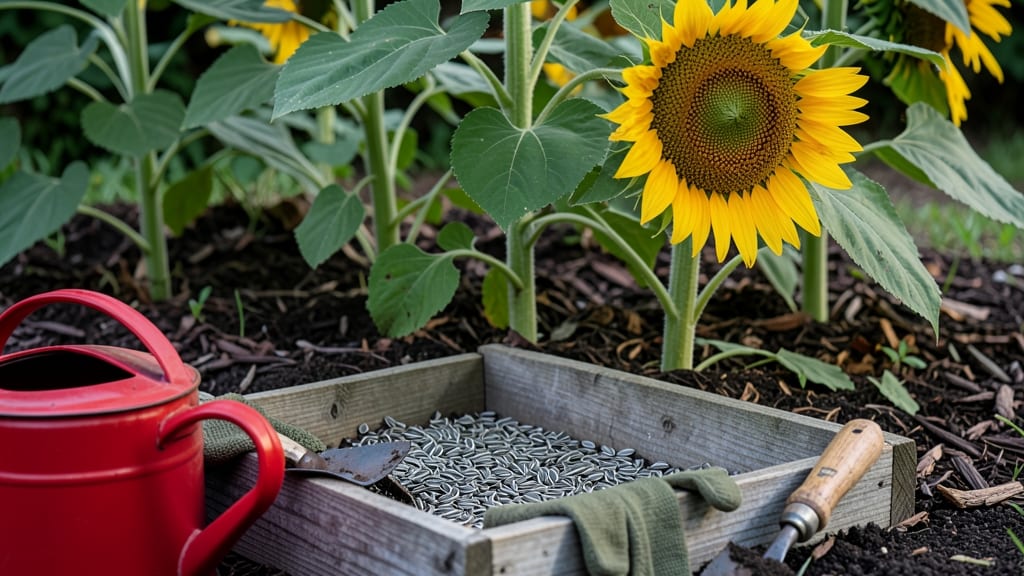
Planting sunflowers in Oklahoma isn’t just about sticking seeds in the dirt—it’s about catching that perfect window between frost and scorching heat to grow those towering 🌻 giants you’ve been dreaming of.
Too early, and a late frost will nip your seedlings in the bud; too late, and your plants might bolt before they even get a chance to shine.
With Oklahoma’s USDA 6b-7a climate, timing is everything, and the difference between a thriving garden and a sad, shriveled disappointment often comes down to knowing exactly when to plant.
Most gardeners in Oklahoma’s heartland wait until mid-April to mid-June to sow sunflower seeds, but that’s not a one-size-fits-all rule.
The key is watching for soil temperatures to hit at least 50°F and the last frost to pass—usually around March 15, though this can vary wildly depending on whether you’re in the panhandle or the Ozark foothills.
If you’re eager to get a head start, you can even try direct sowing in early April in warmer microclimates, but be prepared to protect young plants if a cold snap rolls in.
Once your sunflowers are in the ground, they’ll reward you with bold, sun-loving blooms from late July through October, but only if you’ve given them the right start.
Whether you’re growing dwarf varieties for containers or giant sunflowers that reach for the sky, understanding your local frost dates and heat zones is the secret to a show-stopping display. Let’s break down the exact schedule—and a few pro tips—to make sure your sunflowers thrive all season long.
From choosing the right variety for your county to adjusting for Oklahoma’s unpredictable weather, this guide will help you avoid common pitfalls and maximize your sunflower’s potential.
Whether you’re a first-time gardener or a seasoned green thumb, you’ll learn how to turn your backyard into a sunflower paradise—without any wilted dreams along the way.
Oklahoma sunflower planting schedule by heat zone (USDA 6b-8a)
Oklahoma’s diverse heat zones create unique planting windows for sunflowers, with USDA 6b in the northwest and USDA 8a in the southeast. The key to success is planting after your average last frost date—but not so late that your sunflowers bolt before blooming.
In northern Oklahoma, where frosts linger until mid-April, giant varieties like 'Russian Giant' need a head start. Meanwhile, southern Oklahoma gardeners can plant dwarf varieties like 'Teddy Bear' as late as mid-June and still enjoy summer blooms.
Sunflowers thrive when soil temperatures reach at least 50°F, which typically aligns with late April to early May across most of the state. Soil warmth triggers germination, so using a soil thermometer in cooler zones (like USDA 6b) ensures your seeds sprout reliably.
For southern Oklahoma, where heat arrives earlier, you can start sowing as early as mid-March in protected microclimates, like near blacktop or in raised beds.
Here’s your county-by-county planting guide, broken down by heat zone and frost averages. Use this to pinpoint the optimal 4-6 week window before your first expected frost in fall—sunflowers need 70-100 days to mature, depending on the variety.
| Heat Zone | Avg. Last Frost | Ideal Planting Window | Soil Temp. Threshold | Best Varieties |
|---|---|---|---|---|
| USDA 6b (NW OK) | April 15–May 1 | April 20–May 10 | 50°F+ (use black plastic mulch) | 'Russian Giant', 'Autumn Beauty' |
| USDA 7a (Central OK) | March 30–April 15 | April 1–April 30 | 50°F+ (direct sow after frost) | 'Moulin Rouge', 'ProCut' |
| USDA 7b (SE OK) | March 15–April 1 | March 20–May 15 | 55°F+ (earlier sowing possible) | 'Teddy Bear', 'Evening Sun' |
| USDA 8a (SW OK) | February 28–March 15 | March 1–June 1 | 60°F+ (longer season) | 'Mammoth Russian', 'Sunspots' |
*Adjust dates 1–2 weeks earlier for southern exposures or raised beds.
In USDA 6b, like in Roger Mills or Woods Counties, wait until after April 20 to plant giant sunflowers. These areas experience late frosts that can kill young seedlings, so black plastic mulch or a mini greenhouse can give your seeds a 5–7°F warmer start.
For dwarf varieties, you can push planting to mid-May and still enjoy blooms by early summer.
Central Oklahoma (USDA 7a), including Oklahoma City and Norman, offers a 6-week window from April 1–April 30 for optimal sunflower growth. This zone is perfect for medium-height varieties like 'Moulin Rouge,' which matures in 60–70 days. If you’re in a microclimate with urban heat islands, like near pavement, you can start sowing 1 week earlier—just monitor soil moisture closely.
For southern Oklahoma (USDA 7b–8a), including Tulsa, Lawton, and the Red River Valley, your planting window stretches from March 20 to June 1.
This extended season lets you grow two crops: an early spring planting for summer blooms and a late planting for fall harvests. Dwarf varieties like 'Teddy Bear' are ideal here—they tolerate heat and humidity better than giants and bloom in 50–60 days.
Pro tip: Test your soil temperature before planting. Use a soil thermometer to confirm it’s 50°F or warmer at a 2-inch depth. If it
How to adjust sunflower planting for Oklahoma’s unpredictable weather
Oklahoma’s weather can be as unpredictable as a summer storm—one day it’s freezing cold, the next it’s scorching hot. For sunflowers, this means late frosts can kill seedlings, while sudden heatwaves can stunt growth. The key to success? Proactive adjustments that protect your plants from Mother Nature’s whims.
Whether you’re in the panhandle’s dry heat or the Ozark foothills’ cooler nights, these strategies will help your sunflowers thrive despite Oklahoma’s erratic climate.
Sunflowers are resilient, but they need a warm, stable start. If you plant too early, a late frost (which can hit as late as April 15 in northern Oklahoma) will fry tender seedlings. If you wait too long, your plants might bolt prematurely in the heat.
The solution? Use soil warming techniques, mulching, and seedling protection to give your sunflowers the best possible start—no matter what Oklahoma throws at them.
✨ Pro Tips for Oklahoma’s Unpredictable Weather
- 🌡️ Warm the Soil: Use black plastic mulch or clear plastic tunnels 2-3 weeks before planting to raise soil temps to 50°F+.
- 🌱 Protect Seedlings: Cover young plants with frost cloth if nights dip below 40°F—even in May!
- 💧 Deep Water Early: Give seedlings a 1-inch-deep watering 2x/week until established to prevent drought stress.
- 🌿 Mulch Heavily: Apply 3-4 inches of straw mulch to retain moisture and regulate soil temps.
- ☀️ Shade Cloth for Heatwaves: Use 30% shade cloth if temps exceed 95°F to prevent bolting.
One of the biggest challenges in Oklahoma is soil temperature fluctuations. Sunflower seeds won’t germinate well below 50°F, so if your soil is still chilly in early April, consider using row covers or planting in raised beds, which warm up faster.
I’ve had success with black plastic mulch laid down in late March—it raises soil temps by 10-15°F and speeds up germination. Just remember to remove it once seedlings emerge to prevent overheating.
Once your sunflowers are up, mulching is non-negotiable. Oklahoma’s drought-prone summers can dry out soil quickly, and sunflowers hate soggy roots one day and bone-dry soil the next. A 3-4 inch layer of straw mulch keeps moisture consistent and regulates soil temps.
Pro tip: Water deeply in the morning to reduce evaporation, and avoid overhead watering, which can spread fungal diseases in Oklahoma’s humid spells.
Don’t overlook seedling protection—even in June, a sudden cold front can roll through Oklahoma and catch your plants off guard. I keep frost cloth on hand for emergencies, especially for giant sunflower varieties that take longer to mature.
If a heatwave hits early, shade cloth can prevent your sunflowers from bolting before they flower. And if you’re in western Oklahoma, where winds are fierce, consider staking taller varieties to avoid snapped stems.
Finally, choose the right varieties for your microclimate. Dwarf sunflowers like 'Teddy Bear' handle Oklahoma’s heat better than towering 'Mammoth' varieties, which need extra care in USDA 7a zones. For northern Oklahoma, 'Autumn Beauty' is a great pick—it blooms late and tolerates cooler nights.
No matter what you plant, adjust your schedule based on your local frost dates, and don’t be afraid to start seeds indoors in late March if your soil is still too cold.