
Flowers
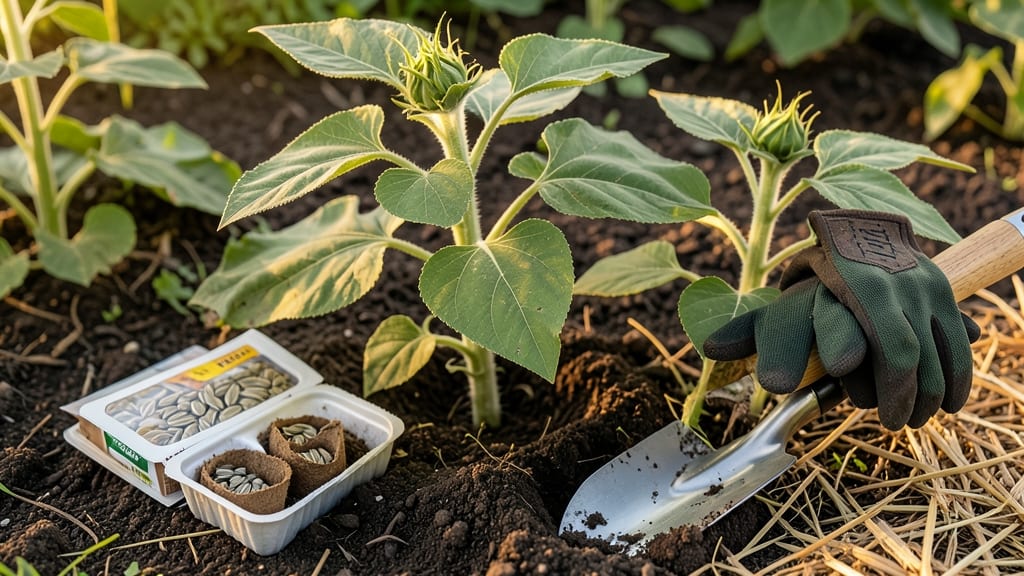
Planting sunflowers in Oregon at the wrong time could mean missing out on those towering 🌻 blooms that brighten summer gardens. The key to success lies in understanding your local frost dates and elevation—because what works in the Willamette Valley won’t cut it in Eastern Oregon’s high desert.
With Oregon’s USDA zones 7b-9a offering such diversity, timing matters more than you might think. Whether you’re in the cooler coastal areas or the warmer inland regions, getting your sunflowers in the ground between late April and mid-June ensures they’ll thrive before summer’s heat sets in.
I’ll break down the exact planting windows for your specific zone, including soil prep tips and how to adjust for Oregon’s microclimates. By the end, you’ll know exactly when to start seeds indoors or directly sow for the biggest, healthiest sunflowers possible.
Ready to grow sunflowers that reach their full potential? Let’s dive into the frost-free timeline that’ll have your garden buzzing with pollinators by July.
Oregon sunflower planting dates by elevation zone (with frost risk charts)
Oregon’s three distinct elevation zones create wildly different growing conditions for sunflowers. The Willamette Valley enjoys mild springs, while Eastern Oregon’s high desert can experience early warmth. Meanwhile, Cascade Foothills gardeners face unpredictable frost patterns.
To maximize your sunflower’s potential, timing is everything—plant too early and frost will strike, too late and you’ll miss the summer bloom window.
Sunflowers thrive with 120–150 frost-free days, but Oregon’s zones vary from 140 days in the Willamette Valley to just 90 days in Eastern Oregon’s high desert. This means your planting window shifts dramatically.
For example, Portland gardeners can start seeds indoors in early April, while Bend growers should wait until late May. Let’s break down the exact frost-free windows for each zone.
🌱 Comparison Table: Oregon Sunflower Planting by Elevation Zone
In the Willamette Valley, where last frosts typically occur around April 15–May 1, you can start sunflower seeds indoors as early as late March for transplanting. Direct-sow outdoors by April 20 to ensure blooms by summer.
This zone’s mild springs and long growing season (140+ frost-free days) allow for giant varieties like ‘Russian Giant’ to thrive.
For Cascade Foothills gardeners, the window narrows significantly. Last frosts often linger until May 1–15, so wait until May 10 to sow seeds directly. Use row covers if planting earlier to protect tender seedlings.
Shorter varieties like ‘Teddy Bear’ (3–4 feet tall) are ideal here, as they mature faster and tolerate cooler temperatures better.
Eastern Oregon’s high-desert climate is a sunflower lover’s paradise—hot days and cool nights create perfect conditions. With last frosts around April 30–May 10, you can plant as early as May 5.
Heat-loving varieties like ‘Moulin Rouge’ (deep red blooms) thrive here, needing 1,400–1,600 heat units to mature. Water deeply but infrequently to encourage strong root growth in the dry soil.
Pro tip: Use a soil thermometer to confirm soil temps are above 50°F (10°C) before planting. Cold soil delays germination. In cooler zones, opt for early-maturing varieties (50–60 days to bloom) to avoid frost damage.
For high-desert areas, prioritize drought-tolerant types that won’t wilt in the intense summer heat.
Monitor your local frost risk charts (available from the Oregon State University Extension) for real-time updates. A late frost in May can devastate young seedlings, so have row covers or a cloche ready.
In Eastern Oregon, where nights stay cool, consider using black plastic mulch to warm the soil and speed up germination.
Remember, sunflowers are fast growers—some varieties reach 10 feet in just 80 days. To prevent lodging (falling over), stake tall varieties or plant them near a fence or trellis. In windy areas like the Columbia Gorge, add support early to avoid snapped stems.
🌻 Plan ahead for your elevation zone, and you’ll enjoy sunflowers blooming from July through October, providing food for pollinators and stunning cut flowers for your home.
How to adjust sunflower planting for Oregon’s microclimates (coast vs. desert)
Oregon’s coastal regions and high deserts create vastly different growing conditions for sunflowers. While coastal gardeners in Astoria or Seaside might still see frost in June, high-desert areas like Bend or Burns can safely plant sunflowers as early as April. Understanding these microclimates is key to maximizing your sunflower’s potential.
For coastal gardeners, the challenge is cold soil and lingering fog. High-desert growers face dry heat and shorter seasons. Both scenarios require specific adjustments to planting timing, soil prep, and variety selection to ensure success. Let’s break down the tailored strategies for each unique environment.
- 🌡️ Coastal Areas: Wait until soil temps reach 55°F+ (use a soil thermometer) and plant after May 15 to avoid late frosts. Use black plastic mulch 2 weeks before planting to warm soil faster.
- 🌱 High Desert: Start seeds indoors by March 1 or direct sow by April 1. Choose drought-tolerant varieties like ‘Moulin Rouge’ that thrive with minimal water once established.
- 🌿 Companion Planting: Coastal gardeners should pair sunflowers with bush beans or marigolds to deter pests and warm soil. Desert growers benefit from oregano or thyme to retain moisture.
- ⏰ Extended Season Trick: Coastal areas can try fall planting (late August) for late-season blooms. Use row covers to protect young seedlings from unexpected cold snaps.
- 💧 Watering Adjustments: Coastal sunflowers need consistent moisture due to foggy conditions. Desert varieties should be watered deeply but infrequently to encourage deep root growth.
If you’re gardening along Oregon’s coast, focus on soil warming techniques to create the ideal environment. Black plastic mulch or clear plastic tunnels can raise soil temperatures by 10-15°F, allowing you to plant earlier and extend your growing season.
I’ve found that starting seeds indoors under grow lights and transplanting after Memorial Day gives coastal sunflowers a strong head start.
For high-desert gardeners, the priority shifts to water conservation and early planting. Sunflowers in areas like Pendleton or La Grande benefit from being planted as soon as the soil is workable in early spring.
Choose varieties with shorter maturity times (60-70 days) to ensure they finish before summer’s intense heat arrives.
Don’t overlook the power of companion planting to protect your sunflowers. Along the coast, marigolds repel pests like aphids, while in the desert, oregano helps retain moisture in the soil.
These simple pairings can make the difference between thriving sunflowers and struggling seedlings. I’ve seen firsthand how a well-planned garden layout reduces stress on young plants.
One of my favorite tricks for coastal gardeners is using row covers during early spring. These lightweight fabrics protect seedlings from late frosts while still allowing sunlight to penetrate.
By removing them once daytime temperatures consistently stay above 50°F, you give your sunflowers the best chance to establish strong roots before summer’s full bloom.
Remember, sunflowers are resilient but respond well to localized care. Whether you’re battling coastal fog or desert heat, adjusting your approach based on Oregon’s microclimates will reward you with taller, healthier sunflowers that bring joy from summer through fall. 🌻