
Flowers
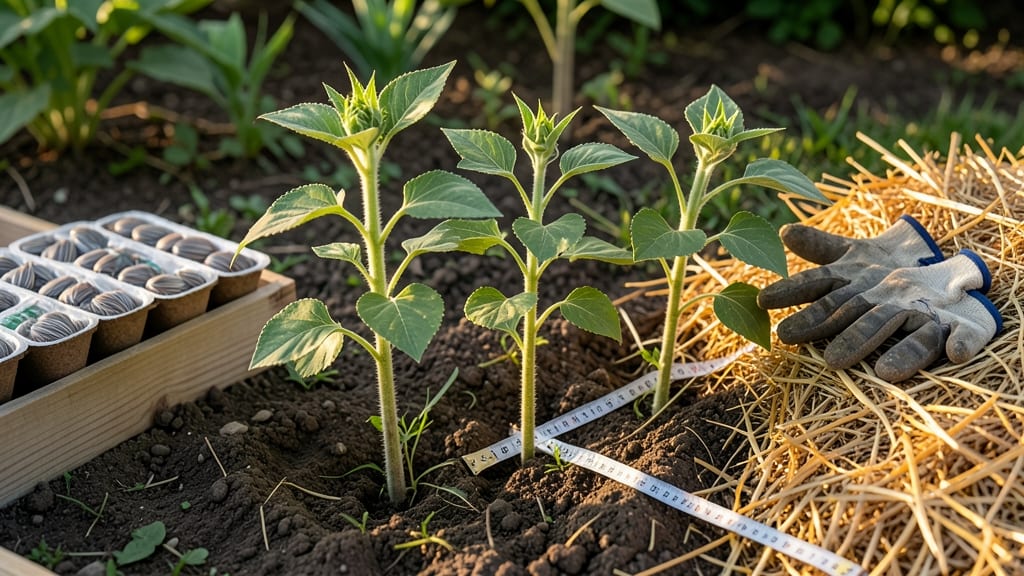
Planting sunflowers in Portland, Oregon feels like playing a game of timing—get it right, and you’ll have towering 🌻 blooms by summer; get it wrong, and you might end up with frost-nipped seedlings.
The key isn’t just waiting for spring—it’s understanding how Portland’s Zone 8a climate and coastal winds create a unique window where sunflowers can thrive.
Most gardeners in the area rush to plant too early, only to watch their seeds rot in cold, damp soil. But with the right strategy—knowing when to start seeds indoors, when to direct-sow, and how to adjust for microclimates—you can beat the odds.
I’ve tested these methods myself, and the difference between a failed batch and a bountiful harvest often comes down to just a few weeks of timing.
In this guide, you’ll learn the exact planting schedule for Portland’s mid-April to early June window, including how to prep soil, choose fast-maturing varieties, and protect your plants from late frosts.
Whether you’re a first-time gardener or a seasoned pro, these tips will help you grow sunflowers that stand tall and proud—just like the ones you’ve always dreamed of.
Let’s dive into the steps that turn Portland’s unpredictable weather into your advantage, so you can enjoy those golden blooms from July to September without the guesswork.
Portland’s Ideal sunflower planting window: avoiding frost & maximizing growth
Timing your sunflower planting in Portland is all about beating the late spring frosts while giving your plants enough warmth to mature before fall’s chill.
The average last frost date is April 15, but coastal winds and urban heat islands can shift this by weeks—especially on Portland’s East Side, which warms faster than the West Side. With 165 frost-free days, you’ve got a tight window to maximize growth.
Sunflowers need soil temperatures above 55°F to germinate reliably. In Portland, this typically happens by mid-April in urban areas but may lag until early May in cooler microclimates like Forest Park.
Direct sowing too early risks seed rot or stunted growth, while planting too late cuts your harvest window short.
Your best bet is a 6-8 week planting window from mid-April to early June. This gives sunflowers time to reach maturity (50-120 days) before Portland’s first frost around October 15. For fast-maturing varieties (50-70 days), you can push sowing to late June for a fall harvest.
For direct sowing, aim for mid-April to May 15 in most of Portland. Use a soil thermometer to confirm 55°F+ temperatures—cooler spots like Sauvie Island may need to wait until late May.
Plant seeds 1 inch deep, spacing them 6-12 inches apart depending on the variety’s mature size.
If you prefer transplanting, start seeds indoors under grow lights in March and move them outside after May 1, when soil reaches 60°F+. This method gives you a 2-week head start and works well for taller varieties (10+ feet) that need extra time to establish roots.
Portland’s East Side (e.g., Hillsdale) warms up faster than the West Side (e.g., St. Johns), so adjust your timeline accordingly. Urban heat islands can push last frost dates 1-2 weeks earlier in neighborhoods like Downtown, while coastal areas may experience delayed warming.
Protect young seedlings from coastal winds with row covers or plant near windbreaks like fences or hedges. If you’re in a Zone 9a microclimate (like Milwaukie), you can extend your window into early July for late-season blooms.
For succession planting, sow a second batch in late June using fast-maturing varieties (e.g., 'Teddy Bear' at 50 days). This ensures blooms through early October before frosts arrive. Always monitor 7-day forecasts—a late frost in June can still damage tender seedlings.
Remember: Sunflowers thrive on warmth, not just sunlight. Even with 6-8 hours of sun, cool soil will stunt growth. Amend your beds with compost to improve drainage and heat retention, especially in clay-heavy soils common in Portland.
🌻
Sunflower varieties that thrive in Portland’s short growing season
Portland’s cool summers and short growing season demand sunflower varieties that mature quickly or adapt to Oregon’s damp springs. The right choice can mean the difference between a 10-foot giant and a failed crop.
Fast-maturing varieties (60-70 days) are your best bet, while taller types (120+ days) need perfect timing and protection from late frosts.
For container gardening, dwarf varieties like 'Teddy Bear' (1-3 ft) thrive in 5-gallon pots and bloom in just 50-60 days. These compact types are ideal for balconies or small spaces, offering bold color without overwhelming your garden.
Their shorter stature also makes them more wind-resistant, a plus for Portland’s coastal breezes.
If you’re dreaming of sunflowers taller than you, opt for heat-tolerant hybrids like 'Autumn Beauty' or 'Moulin Rouge', which handle Portland’s variable temperatures better than traditional varieties.
These can reach 5-6 feet and produce multi-bloom stems, giving you more flowers per plant. Just be prepared to stake them if winds pick up.
Disease resistance is critical in Portland’s damp springs. Varieties like 'ProCut' (70 days) are bred to resist powdery mildew and rust, common fungal issues in Oregon’s climate.
Their thick stems also support heavy blooms without snapping in windy conditions. For extra protection, apply a copper fungicide at the first sign of leaf spots.
Fast-Maturing Varieties (60-70 Days) vs. Tall Varieties (120+ Days)
Fast-Maturing Varieties
- ✅ Quick blooms (50-70 days)
- ✅ Ideal for short seasons
- ✅ Dwarf options for containers
- ✅ Less prone to frost damage
- ✅ Multi-bloom stems (e.g., 'Autumn Beauty')
Tall Varieties
- ❌ Risk of frost damage if planted late
- ❌ Requires staking in windy conditions
- ❌ Longer maturity (120+ days)
- ❌ Heavy water needs for tall stems
- ❌ Limited container options
For extended blooms, choose multi-bloom varieties like 'Italian White' or 'Moulin Rouge'. These produce secondary flowers on the same stem, giving you a longer display. Pair them with companion plants like marigolds to deter pests and attract pollinators.
In my garden, this combo has kept sunflowers blooming from July to early October.
If you’re pushing the season, consider succession planting every 2 weeks from mid-April to early June. This ensures a continuous harvest and reduces the risk of losing all your plants to a single late frost.
For container gardeners, stick to dwarf or semi-dwarf varieties—they’re forgiving, productive, and perfect for Portland’s space-limited urban yards.
Remember, soil prep matters. Amend your beds with compost to improve drainage, and avoid over-fertilizing—sunflowers thrive in poor but well-draining soil. With the right variety and timing, you’ll have sunflowers that outshine even Portland’s grayest days. 🌻