
Flowers
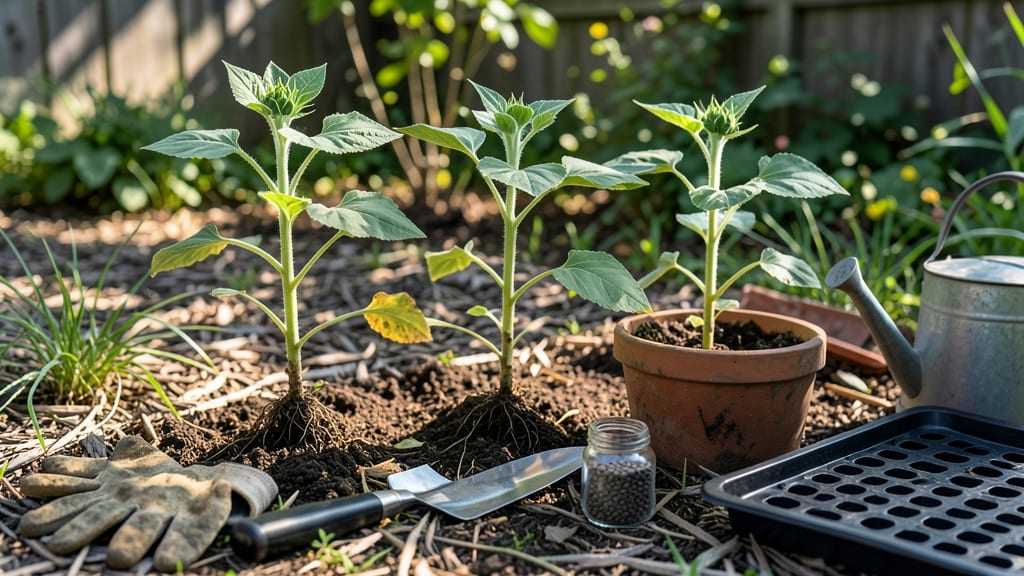
Planting sunflowers 🌻 in Southern California’s 9b-11 zones isn’t just about grabbing seeds and sticking them in the dirt—it’s about timing them perfectly to beat the heat and drought. Whether you’re in coastal Malibu or the inland desert, the wrong schedule can mean wilted petals before they even bloom.
The key? Planting when soil temps drop below 85°F and choosing varieties that won’t bolt in a flash.
I’ve learned the hard way that coastal areas (like 10a-11) can plant year-round, but inland desert zones (9b) need cooler months to avoid stress. The sweet spot? Start seeds indoors in January-February for early blooms or direct-sow in March-April when nights cool down.
But here’s the twist: heat-tolerant varieties like ‘Autumn Beauty’ can handle summer planting if you water deeply.
You might think sunflowers are low-maintenance, but Southern California’s microclimates throw curveballs. Coastal fog delays growth, while desert heat speeds it up—meaning your 60-90 day timeline can shrink to 45 days if planted too late.
The solution? Adjust your schedule by elevation: 0-1,000 ft (coast) gets a 2-week head start over 3,000+ ft (mountains).
Let’s break it down by zone so you can pick the exact window for your garden. I’ll cover soil prep, watering hacks, and the best varieties for each microclimate—no guesswork, just sunflowers that tower over your fence by summer. Ready to plant with confidence?
Southern California sunflower planting deadlines by elevation zone (coast to desert)
Southern California’s sunflowers thrive year-round, but your elevation zone dictates the optimal planting window. Coastal areas (0–1,000 ft) enjoy milder winters, while inland deserts (3,000+ ft) face extreme heat.
Even within 1,000 miles, microclimates shift planting deadlines by 4–6 weeks. Let’s break it down by elevation to avoid heat stress or bolting.
Sunflowers in coastal zones (0–1,000 ft) can be planted year-round, but peak performance occurs from January to March or September to November. Avoid summer planting—soil temps exceed 85°F, triggering premature bolting.
Inland deserts (1,000–3,000 ft) should plant October to December or February to April, while high-elevation zones (3,000–5,000 ft) benefit from March to May or August to September plantings.
Here’s your elevation-specific comparison to pinpoint the best time for your garden:
For coastal gardens (0–1,000 ft), prioritize January–March plantings to capitalize on mild winters and longer daylight. Varieties like ‘Moulin Rouge’ thrive here, producing vibrant blooms without bolting. Soil prep is critical: amending with compost improves drainage, preventing root rot from coastal humidity.
Inland zones (1,000–3,000 ft) face hotter summers, so plant October–December for spring blooms or February–April for summer color. Use mulch to retain moisture—desert soils dry 3x faster than coastal areas. Choose heat-tolerant varieties like ‘Autumn Beauty’, which resists bolting in 100°F+ temps.
High-elevation zones (3,000–5,000 ft) enjoy cooler nights, ideal for tall varieties like ‘Russian Giant’. Plant March–May to avoid late-spring heatwaves. Soil prep here focuses on organic matter—thin mountain soils need extra nutrients to support 12–16 ft stalks. Water deeply 2x weekly during establishment.
Pro tip: Test soil temperature before planting—sunflowers need 50–60°F soil to germinate. Use a soil thermometer or the back-of-hand test: if soil feels warm but not hot, it’s ready. Coastal areas hit this threshold by late January, while deserts wait until March.
Adjust your planting timeline based on local rainfall. Coastal zones rely on winter rains, so plant after January showers to avoid waterlogged soil. Inland deserts need drip irrigation—plant when night temps stay above 55°F to prevent chilling stress.
Sunflowers in Southern California reward precision planting. Whether you’re in Malibu’s fog belt or Palm Springs’ desert, aligning your schedule with elevation-specific deadlines ensures bigger blooms and healthier seeds. Start with the comparison table, then tweak based on your microclimate.
For coastal gardeners, extend the season by planting ‘Teddy Bear’ sunflowers in late summer—they tolerate
5 Critical factors that shift your sunflower planting timeline (beyond elevation)
Even within the same elevation, your sunflower planting window can shift by 2–4 weeks based on factors beyond frost dates. In Southern California, I’ve seen coastal gardens thrive with March plantings while inland deserts needed February starts—both at the same elevation.
The difference? Soil temperature, daylight hours, and even pest activity rewrite the rules. Ignore these, and your sunflowers might bolt too fast or languish in heat stress.
For example, coastal Santa Barbara (USDA Zone 10a) can plant sunflowers in January thanks to cooler soils and morning fog, while Palm Springs (Zone 9b) waits until March to avoid soil temps above 85°F.
The key is adjusting your schedule based on these five hidden triggers—each one can make or break your blooms. Let’s break them down so you can plant with precision.
- Soil Temperature: Plant when soil hits 60–70°F. Use a soil thermometer—coastal areas hit this in January–February, while deserts wait until March–April. Cold soils delay germination by 3–5 days.
- Daylight Hours: 12+ hours of daylight (June–August) speeds growth—plant 2 weeks earlier in summer for faster blooms. Coastal fog shortens daylight by 1–2 hours, so delay planting until April to avoid leggy stems.
- Rainfall Patterns: 2+ inches of rain in 2 weeks = push planting 1 week later (soil stays moist). In drought years, plant 3 weeks earlier and mulch heavily to retain moisture. Inland deserts need irrigated soil before planting.
- Wind Exposure: High winds (10+ mph) dry soil faster—plant 1–2 weeks later or use windbreaks. Coastal areas like Ventura often wait until April to avoid windburn on young seedlings.
- Pest Activity: Beetles and aphids peak in May–June—plant February–March to avoid early infestations. Use neem oil if planting late, but coastal gardens can start January with fewer pests.
Let’s tackle soil temperature first—this is the #1 reason I’ve seen sunflowers fail in Southern California. Inland deserts like Riverside hit 85°F soil temps by March, forcing me to plant in February or risk bolting.
Coastal areas stay cooler longer, so I delay until March. Use a soil thermometer ($10 at garden centers) to check—aim for 60–70°F for ideal germination.
Next, daylight hours play a sneaky role. During June–August, sunflowers grow 30% faster with 14+ hours of daylight, so I plant 2 weeks early in summer to beat the heat.
But coastal fog (like in San Diego) cuts daylight by 1–2 hours, so I wait until April to avoid weak, spindly stems. Track your local daylight hours—apps like SunSurveyor show real-time data.
Don’t overlook rainfall patterns, either. A 2-inch rain in 2 weeks means I can delay planting by 1 week because the soil stays moist. In drought years (like 2020–2021), I planted 3 weeks early and used mulch to lock in moisture.
Inland deserts need irrigated soil before planting—water deeply 3 days before sowing to mimic spring rains.
Wind is another silent killer. Areas like Santa Monica with 10+ mph winds dry soil faster, so I plant 1–2 weeks later or use burlap windbreaks. If you’re in a windy zone, try container planting—pots warm up faster and are less affected by gusts.
For ground planting, add straw mulch to reduce evaporation.
Finally, pest activity can shift your timeline by 3–4 weeks. Beetles and aphids peak in May–June, so I plant February–March to avoid early infestations. Coastal gardens have fewer pests in January, letting me start earlier.
If you must plant late, use neem oil or kaolin clay as a barrier. Pro tip: ‘Moulin Rouge’ sunflowers are pest-resistant—my go-to for late plantings!