
Flowers
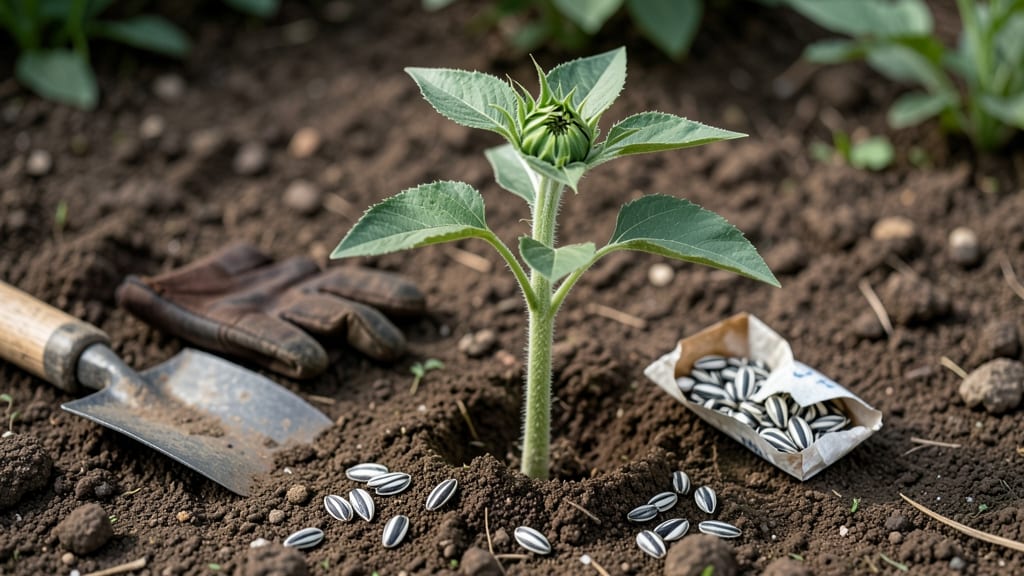
Planting sunflowers in the ground at the wrong time means waiting weeks for those cheerful 🌻 faces to appear—or worse, watching them fail before they even sprout. The key to fast, happy germination isn’t just about timing; it’s about knowing when your soil is ready to welcome them.
In USDA Zone 6a, like many mid-latitude regions, the ideal window opens after the last frost—typically April to May—when soil temperatures hit that sweet spot for sunflower seeds.
Too early, and they’ll sit in cold soil, waiting for warmth; too late, and you might miss the 70-80°F range they crave to pop up in just 5-10 days.
But here’s the secret most gardeners miss: even within that window, soil temperature can swing wildly. A quick check with a thermometer (or even your finger—warm like a summer day is perfect) tells you exactly when to drop those seeds 1 inch deep for the fastest start.
Let’s break down the exact steps to time your planting for maximum speed, from soil prep to spacing, so your sunflowers shoot up like they’re racing for the sky.
Optimal soil temperature for sunflower germination: what to check before planting
Sunflowers thrive when planted in warm soil, but too many gardeners rush the process without checking the soil temperature. A cold soil can delay germination for weeks or even prevent seeds from sprouting.
The ideal soil temperature range for sunflower seeds is between 70-80°F, though they can tolerate 50-60°F as a minimum. Understanding this range is the first step to growing strong, healthy sunflowers.
Before you grab your sunflower seeds and head to the garden, take a moment to test your soil temperature. This simple step can save you from disappointment and ensure your seeds germinate quickly.
I’ve learned the hard way—planting too early in cool soil means waiting weeks for sprouts, if they even come up at all. Let’s dive into how to check your soil temperature accurately, so you can plant with confidence.
| Soil Temperature Range | Germination Speed | Best Planting Window (USDA Zones) |
|---|---|---|
| Below 50°F | Very slow or no germination | Avoid planting; wait for warmer soil |
| 50-60°F (Minimum) | Slow germination (2-4 weeks) | Zones 3-5: Late May; Zones 6-8: Early April |
| 60-70°F (Good) | Moderate germination (7-14 days) | Zones 3-5: Early June; Zones 6-8: Late March |
| 70-80°F (Ideal) | Fast germination (5-7 days) | Zones 9-11: February-March; Containers: Any warm season |
| Above 80°F | Germination still fast, but watch for drought stress | Zones 9-11: Fall planting (Sept-Oct) |
To test your soil temperature, you don’t need fancy equipment. A simple soil thermometer (available for under $10) is the easiest tool. Insert the probe 2-3 inches deep—this mimics where your seeds will be planted—and wait 30 seconds for an accurate reading.
If you don’t have a thermometer, use the back of your hand as a rough guide: warm soil feels like a cozy bath, while cool soil feels chilly.
In cooler climates (USDA Zones 3-5), aim to plant sunflowers after the last frost when soil temperatures consistently reach 55°F or higher. This typically falls in late May, but always check your local frost dates.
In warmer zones (USDA Zones 6-11), you can plant as early as March or even February in the South, provided the soil is warm enough. Pro tip: Use black plastic mulch to warm the soil faster if you’re eager to plant early.
If you’re unsure about your local soil temperature trends, keep a garden journal for a few weeks. Note the daily highs and lows—this helps you predict the best time to plant next year.
I once planted sunflowers in April in Zone 5, and they barely sprouted until June. Lesson learned: patience pays off when it comes to soil temperature!
Another trick is to plant sunflowers in containers or raised beds. These warm up faster than in-ground soil, especially in spring. Fill containers with a mix of potting soil and compost, and place them in a sunny spot.
Check the soil temperature daily until it hits 60°F or above. This method gives you more control over the growing environment and can extend your planting season by weeks.
For gardeners in high-altitude areas, soil temperatures can lag behind those at lower elevations. If you live above 5,000 feet, wait until the soil reaches 65°F or warmer before planting.
Cold nights can also slow germination, so consider using row covers or planting in a sheltered spot to retain heat. I’ve found that even a few degrees difference can mean the difference between a thriving sunflower patch and a failed attempt.
Once your soil hits the ideal temperature range (70-80°F), plant your sunflower seeds 1 inch deep and 6 inches apart. Water gently but thoroughly to settle the soil around the seeds. Avoid overwatering, as soggy soil can lead to rot.
Keep the soil consistently moist (not waterlogged) until germination occurs. With the right soil temperature and care, you’ll see those first sunflower sprouts in just days!
Remember, sunflowers are resilient, but they won’t tolerate cold soil well. If you’re still unsure about timing, start seeds indoors in biodegradable pots when soil temperatures are too cool. Transplant outdoors once the soil warms up and all danger of frost has passed.
With these tips, you’ll be well on your way to growing tall, vibrant sunflowers that brighten up your garden all season long. 🌻
Best planting times by climate Zone: northern vs southern gardening strategies
Sunflowers thrive when planted at the right time, but your climate zone determines whether you should wait for spring warmth or take advantage of fall's cooler temperatures. In northern regions (USDA zones 1-6), I always plant after the last frost date, typically between mid-April and June.
Southern gardeners (zones 7-11) have more flexibility, often planting in early spring or fall to avoid summer heat stress.
Container gardening changes the game—containers warm up faster in spring, so I start them 2-4 weeks earlier than in-ground plants. High-altitude areas (like Denver or Colorado Springs) need even later planting, since soil stays cold longer.
Always check your frost-free date (find it via the National Weather Service) and count back 3-4 weeks for ideal timing.
| Climate Zone | Best Planting Window | Soil Temp Goal | Container Adjustment | High-Altitude Note |
|---|---|---|---|---|
| Northern (Zones 1-6) | Late spring (after frost, May-June) | 60-70°F minimum | Start 2-4 weeks earlier | Wait until June |
| Southern (Zones 7-11) | Early spring (March-April) or fall (Sept-Oct) | 55-65°F minimum | Use black containers for warmth | Avoid summer heat |
| High-Altitude (5,000+ ft) | June-July (after soil warms) | 65-75°F minimum | Use heat-absorbing fabric | Choose dwarf varieties |
For direct sowing, I always aim for soil temperatures above 55°F—use a soil thermometer to check. In my Zone 5 garden, I mark my calendar for May 15th as the earliest safe date, but I’ve seen late frost creep in until June.
Southern gardeners can start as early as February in mild winters, but avoid planting when daytime temps exceed 90°F.
If you’re unsure about your frost-free date, calculate it yourself: Check the average last frost date for your area, then add 2-3 weeks for safety. For example, if your last frost is April 15th, plant by May 1st.
Pro tip: Use row covers to extend your planting window by 2-3 weeks in cooler climates.
Container sunflowers need extra care—black pots absorb heat, while terra cotta stays cooler. I always plant mine in late April in my Zone 6 garden, using 5-gallon pots for better stability.
High-altitude gardeners should opt for dwarf varieties like 'Teddy Bear' to avoid wind damage and ensure they mature before frost.
Remember: Sunflowers grow fast—some varieties reach 10 feet in 80 days. Time your planting so they’ll flower before fall frost. In Zone 7, I plant a second batch in late summer for a fall harvest.
With the right timing, you’ll enjoy bright blooms all season!
🌻