
Flowers
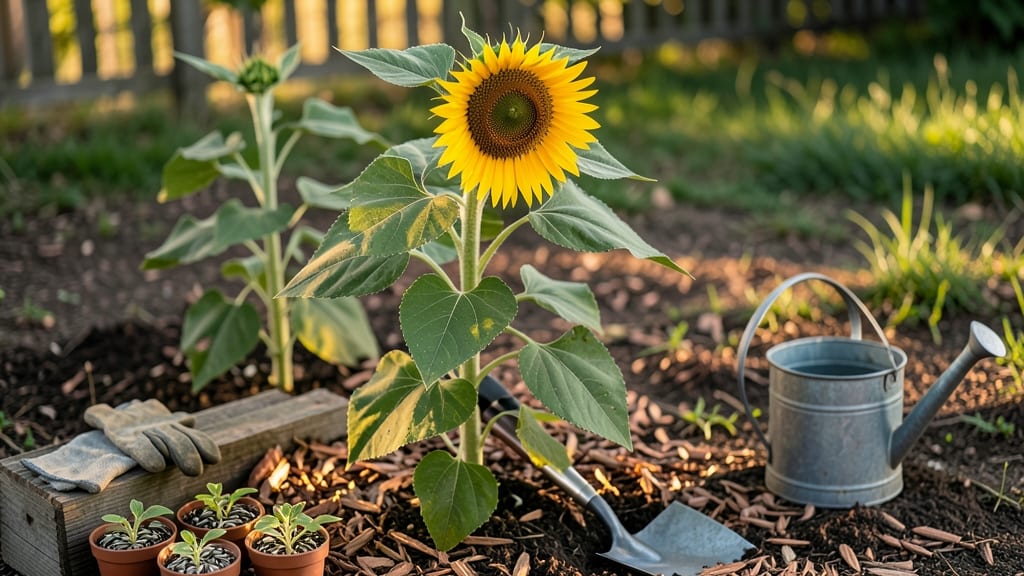
Planting sunflowers in Tucson doesn’t have to be a guessing game—getting the timing right means the difference between towering 🌻 blooms and shriveled disappointment. With 365 frost-free days and temperatures that can soar past 110°F, knowing when to plant is your secret weapon for success.
Most gardeners in Tucson’s USDA Zone 9b swear by two key windows: late July to early September for fall blooms or February to March for summer harvests. But here’s the catch—your elevation matters.
Low desert areas handle heat differently than the foothills, so we’ll break down exactly how to adjust your schedule for perfect results.
You’ll also discover which sunflower varieties hold up best in the desert heat, how to prep your soil for maximum growth, and simple tricks to keep your plants thriving when the mercury spikes. Let’s make sure your sunflowers reach their full potential—no wilted dreams here.
Ready to grow sunflowers that turn heads? I’ll walk you through every step, from seed to sunny harvest, so you can enjoy those cheerful faces all season long.
Best sunflower planting months in Tucson’s desert climate
Tucson’s 110°F+ summers make sunflower gardening tricky, but the key to success lies in timing your plantings for cooler seasons. Unlike many plants, sunflowers here thrive when planted in late summer or early spring, avoiding the brutal heat.
The low desert (1,200-2,500 ft) and foothills (2,500-4,000 ft) have slightly different windows, so let’s break it down.
For spring plantings, aim for February through early March when soil temperatures stabilize above 60°F. This gives plants time to mature before summer’s peak heat. Fall plantings, however, offer a second chance—sow seeds from late July to early September for blooms before winter.
The foothills’ cooler nights extend this window slightly, allowing for September plantings in higher elevations.
Here’s a quick reference for Tucson’s optimal sunflower planting windows, including microclimate adjustments:
| Planting Window | Low Desert (1,200-2,500 ft) | Foothills (2,500-4,000 ft) | Harvest Time |
|---|---|---|---|
| Spring Planting | February - Early March | Late January - March | May - June |
| Fall Planting | Late July - Early September | August - Mid-September | October - November |
| Soil Temp Threshold | 60°F+ | 55°F+ (cooler nights) | N/A |
| Heat Tolerance | Moderate (stress above 100°F) | Better (cooler nights) | N/A |
The low desert’s extreme heat means spring plantings must be in the ground before March 15 to avoid bolting or wilting. In contrast, the foothills’ cooler microclimate allows for a 2-week extension in both spring and fall.
For example, 'Autumn Beauty' sunflowers planted in early September in the foothills often produce vibrant fall blooms before winter sets in.
If you’re in the low desert, prioritize shade cloth for young seedlings during April and May to prevent heat stress. In the foothills, focus on soil moisture retention—these areas can still experience dry spells, especially in October and November.
Mulching with straw or wood chips helps retain moisture and regulate soil temperature.
For container gardening in Tucson, stick to dwarf varieties like 'Teddy Bear' and plant in 10+ gallon pots with fast-draining soil. Containers heat up quickly, so move them to shaded areas during 110°F+ days. Water daily in summer and ensure pots have drainage holes to prevent root rot.
Pro tip: Use a soil thermometer to confirm 60°F+ soil temps before planting—this is critical in Tucson’s variable spring warming. If temps fluctuate below 55°F, wait 1-2 weeks longer. Patience here prevents seed rot and ensures strong germination.
Remember, sunflowers in Tucson are not just about timing—they’re about working with the desert’s rhythm. By planting in late summer or early spring and adjusting for microclimates, you’ll enjoy towering blooms that outshine even the Sonoran sun.
🌻
How to adjust sunflower planting for Tucson’s extreme heat
Tucson’s summer heat can push temperatures past 110°F, making sunflower survival a challenge. But with the right adjustments, you can grow heat-resistant varieties that thrive even under the desert sun. The key lies in soil prep, watering strategies, and selecting drought-tolerant varieties that won’t bolt prematurely.
Sunflowers planted in late summer or early fall (August-September) often fare better than spring plantings because they establish roots before the peak heat arrives. However, even these timings require extra care to prevent heat stress and ensure your sunflowers reach their full 10+ foot potential.
⚠️ WARNING: HEAT SHOCK RISK ⚠️
- Premature bolting (rapid flowering before full growth)
- Leaf scorch (brown, crispy edges from dehydration)
- Stunted growth (plants maxing out at 3-4 feet instead of 10+)
- Root rot (from inconsistent watering during heatwaves)
Start by choosing heat-tolerant varieties like 'Autumn Beauty' or 'Moulin Rouge', which handle 100°F+ temperatures better than standard varieties. These hybrids also mature faster (60-70 days to harvest), giving them a better chance to establish before the worst heat arrives.
For soil moisture tricks, water deeply once a week (1-2 gallons per plant) rather than daily shallow watering. This encourages deep root growth, which helps sunflowers access water stored below the surface.
Pair this with organic mulch (straw or wood chips) to lock in moisture and regulate soil temperature.
After planting, monitor your sunflowers for signs of heat stress, like drooping leaves or yellowing foliage. If you notice these, provide temporary shade with a lightweight shade cloth (40-50% block) during the hottest hours (12-4 PM).
Also, avoid fertilizing during peak heat—sunflowers focus on root development first, not foliage growth.
With these adjustments, your sunflowers can survive Tucson’s extreme heat and still reach impressive heights. The secret is preparing the soil, protecting young plants, and watering wisely—not fighting the heat head-on. Happy growing! 🌻