
Flowers
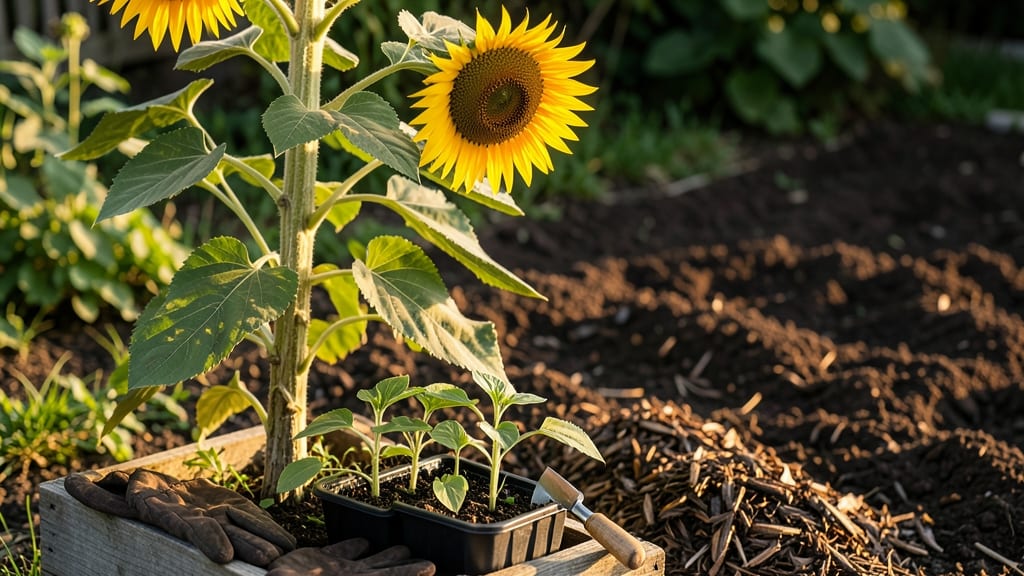
Planting sunflowers in Virginia at the wrong time can mean the difference between towering 12-foot giants and sad, stunted plants that never reach their potential. The key isn't just picking a month—it's understanding your local microclimate, soil temperature, and even the specific sunflower variety you're growing.
Most Virginia gardeners (especially in USDA zones 6a-8a) should get seeds in the ground between mid-April and early July, but that window shifts dramatically depending on whether you're in the cooler mountains or the warmer Coastal Plain.
Even a week too early can leave young 🌻 seedlings vulnerable to late frosts, while planting too late might mean blooms arriving just as fall temperatures drop.
Here's what you need to know: the right timing maximizes your sunflowers' growth potential, ensures they support pollinators all summer, and even affects when you can harvest seeds for next year.
Let me walk you through Virginia's exact planting calendar by region, plus how to adjust for your specific growing conditions.
Whether you're aiming for 10-foot pollinator magnets or compact varieties for small spaces, getting this timing right is the foundation of success.
By the end, you'll know exactly when to plant for your corner of Virginia—and how to give your sunflowers the best possible start toward becoming the stars of your summer garden.
Virginia sunflower planting calendar by USDA hardiness zones (5a-8a)
Virginia’s diverse climate—spanning USDA zones 5a to 8a—creates unique planting windows for sunflowers. Cooler mountain regions (5a-6a) need earlier starts, while warmer coastal areas (7b-8a) can extend planting into early July.
The key? Planting after the last frost date (typically mid-April in the north to early March in the south) and when soil temperatures reach 55°F+.
Sunflowers are annuals in Virginia, meaning you replant each year—but their heights (3-16 ft) and bloom times vary by variety. Early varieties (like 'Teddy Bear') mature in 50-60 days, while giant types (like 'Mammoth') take 100+ days.
Match your planting window to your desired bloom time for maximum summer color.
Soil prep is critical: Sunflowers thrive in well-draining, slightly acidic soil (pH 6.0-7.0). Work in compost before planting, and choose a sunny spot with 6+ hours of light daily. In Zone 5a (mountains), use row covers to extend the season if planting early.
Here’s your zone-specific planting calendar, including last frost dates, optimal transplant windows, and harvest timelines for Virginia’s microclimates:
In Zone 5a, where frost lingers until late May, focus on early-maturing varieties like 'Autumn Beauty' (56 days) or 'ProCut' (60 days). These dwarf or semi-dwarf types (3-6 ft) thrive in shorter seasons and produce edible seeds by late summer.
For Zone 8a, where the growing season stretches into November, you can even plant a second crop in early July for fall blooms.
Direct-sowing seeds is
How to adjust planting times for Virginia’s microclimates (coastal, Piedmont, mountains)
Virginia’s diverse geography means your sunflower planting schedule should change dramatically depending on whether you’re in the Coastal Plain, Piedmont, or Mountain regions. These microclimates create wildly different growing conditions—from the longer frost-free seasons along the coast to the cooler springs in the Appalachians.
Even within a single county, elevation changes of just 500 feet can shift your ideal planting window by 2-3 weeks.
If you’re in the Coastal Plain (like Norfolk or Virginia Beach), you can often start sunflower seeds as early as late March—sometimes even February under row covers.
But in the Blue Ridge Mountains (like Roanoke or Blacksburg), you might need to wait until mid-May to avoid late spring frosts that can wipe out tender seedlings.
The Piedmont (Richmond, Charlottesville) falls somewhere in between, but heat spikes in June can stress young plants if they’re not established early enough.
Here’s the key: soil temperature matters more than air temperature. Sunflower seeds need the ground to stay above 55°F (13°C) for consistent germination. In cooler mountain regions, this might not happen until late April or May, while coastal areas can hit that threshold by March.
Always check a soil thermometer before planting—it’s the most reliable guide.
🌻 Key Takeaway: Virginia Microclimate Planting Adjustments
Coastal Plain
Start seeds: Late March (under cover) or April 1-15 outdoors. Longer season lets you plant twice—early and late varieties.
Piedmont
Start seeds: April 15-May 1. Use heat-tolerant varieties (like 'Moulin Rouge') to handle June heat spikes.
Mountains
Start seeds: May 1-15. Choose shorter-day varieties (like 'Teddy Bear') to mature before fall frosts.
For the Coastal Plain, take advantage of your 100+ frost-free days by planting both early and late varieties. Try sowing 'Autumn Beauty' in early April for summer blooms and 'Mammoth Russian' in late May for fall harvests.
The extra heat in areas like Hampton Roads means you can even squeeze in a second planting in early July for late-season blooms.
In the Piedmont, where summer temperatures can exceed 90°F (32°C), focus on heat-tolerant varieties like 'ProCut Hybrid' or 'Sunize Gold'. These handle the June heat spikes better than standard types.
If you’re in a microclimate with afternoon shade (like near wooded areas), opt for dwarf varieties (2-4 feet tall) that thrive with less intense sunlight.
Mountain gardeners face the biggest challenges with shorter growing seasons and cooler nights. Here, I recommend fast-maturing varieties like 'Teddy Bear' (3 feet tall, 55 days to bloom) or 'Sunspot' (4 feet tall, 60 days).
Start these seeds indoors in late March and transplant after your last frost date (typically May 15 in the Blue Ridge). Use cold frames to extend the season by another 4-6 weeks in the fall.
No matter your region, always monitor your local Almanac frost dates—but don’t rely on them exclusively. Microclimates create pockets where frost can linger weeks longer than official forecasts.
For example, valley floors in the mountains often frost later than nearby ridges. When in doubt, use frost cloth for a few extra weeks of protection.