
Flowers
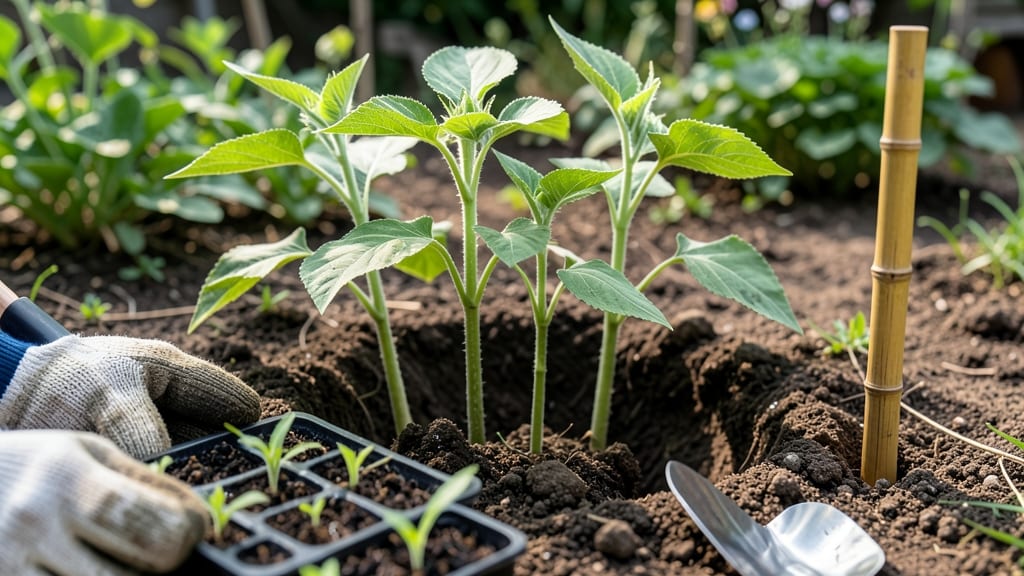
Planting sunflowers at the wrong time in Zone 6 can leave you with stunted blooms instead of the towering 10-foot giants you dreamed of.
The key to unlocking their full potential lies in understanding exactly when to sow those seeds—because even a few weeks off can mean the difference between a modest 3-foot plant and a sun-drenched masterpiece reaching for the sky.
If you're in USDA Zone 6a-6b, where last frost typically arrives around mid-April, you might assume planting as soon as the ground warms is the way to go. But sunflowers are frost-sensitive, and sowing too early can trigger slow growth or even failure.
The ideal window—mid-April to early June—balances soil warmth with the need to avoid late frosts that could damage tender seedlings.
Here’s the game-changer: timing isn’t just about the calendar—it’s about your sunflower’s height goals. Want those giant varieties to soar? Plant them later in May for maximum stalk development. Or aiming for early blooms? Start in April to enjoy vibrant 🌻 faces by summer.
I’ll break down the exact weeks before last frost that work best for your Zone 6 garden, plus how to adjust for microclimates and variety types.
Ready to grow sunflowers that turn heads? Let’s dive into the science-backed timing that’ll have your garden buzzing with pollinators—and your neighbors asking for tips.
Optimal sunflower planting weeks before last frost in Zone 6
Sunflowers thrive in Zone 6’s 165 frost-free days, but planting too early risks cold-sensitive seedlings while late sowing cuts bloom time. The ideal window starts 2-4 weeks before your last frost date, typically mid-April to early May for most Zone 6a-6b regions.
For giant varieties like 'Mammoth', aim for late May to maximize height before frost.
Your exact planting date depends on soil temperature—sunflowers need 50°F+ soil to germinate. Use a soil thermometer or check local USDA frost data for your specific county. In colder Zone 6a areas, wait until late April; warmer Zone 6b can start early April if nights stay above 40°F.
Direct-sowing is best for sunflowers since they hate transplanting. Scatter seeds 1 inch deep and 6 inches apart in rows 2 feet apart. Thin seedlings to 12-24 inches apart when they’re 4-6 inches tall—this prevents overcrowding and ensures taller stalks.
For transplants, start seeds indoors 4-6 weeks before last frost (early March) using biodegradable pots. Harden off seedlings for 7-10 days before moving them after soil warms. Transplanted sunflowers may lag 2-3 weeks behind direct-sown ones, so adjust your harvest expectations accordingly.
| Planting Method | Zone 6a Timing | Zone 6b Timing | Soil Temp Threshold | Variety Notes |
|---|---|---|---|---|
| Direct Sow | Mid-April to early May | Early April to late April | 50°F+ consistently | Best for all types; giants need late May |
| Transplant | Early May (after last frost) | Late April (after last frost) | 55°F+ soil | Use for dwarf varieties; expect slower growth |
| Succession Planting | Every 2 weeks until June 15 | Every 2 weeks until July 1 | 50°F+ | Extend blooms; plant dwarf varieties last |
| Fall Planting | Not recommended | Not recommended | N/A | Sunflowers won’t mature before frost |
Use your USDA Plant Hardiness Zone Map to find your last frost date. For example, if your last frost is April 15, plant direct-sown seeds March 25-April 5 (4 weeks before frost).
For transplants, start seeds indoors February 25-March 15. Pro tip: Check Almanac.com for your county’s historical frost dates—they’re more precise than general zone averages.
Sunflowers grow 2-3 inches per day in ideal conditions, so late May plantings give giants 100+ days to reach 10+ feet. Dwarf varieties like 'Teddy Bear' can handle earlier April sowings since they mature in 60 days.
Always label your rows—sunflowers grow fast, and you’ll forget what you planted!
Amend your soil with compost before planting to ensure good drainage. Sunflowers hate soggy roots, so raised beds or mounded soil work well in heavy clay zones.
Add a slow-release fertilizer (10-10-10) at planting time to support rapid stem growth. Mulch with straw to retain moisture and suppress weeds—critical in Zone 6’s hot summers.
Monitor for false spring—a warm spell in March followed by frost can kill young seedlings. If nights dip below 32°F, cover seedlings with row fabric or cloche bells.
Giant varieties are more frost-sensitive than dwarfs, so prioritize late May plantings for 'Mammoth' or 'Russian Giant' if early frosts are likely.
Plan for harvest timing too: Sunflowers need 60-120 days to mature. If you want summer blooms, plant by June 1 for fall harvests. For winter seed storage, aim for September blooms—this gives seeds time to dry on stalks before frost.
Save seeds from your healthiest stalks for next year!
🌻
How to adjust planting for sunflower height goals in Zone 6
If you're dreaming of 12-foot sunflower giants that tower over your fence, timing your planting is everything. In Zone 6, planting late May gives sunflowers like 'Mammoth' and 'Russian Giant' the long, warm growing season they need to reach their maximum height.
These varieties thrive when sown after the last frost, when soil temperatures consistently stay above 55°F—perfect for rapid stalk elongation.
But what if you want early blooms instead? For shorter varieties like 'Teddy Bear' or 'Autumn Beauty,' planting in April ensures you'll enjoy vibrant flowers by midsummer. The key is matching your height goals to the right planting window, not just the calendar date.
Let’s break down how to time it perfectly for your garden.
- 📅 April (Early Blooms): Plant dwarf varieties like 'Teddy Bear' (1-3 ft) for summer color. Ideal for cut flowers and pollinator gardens.
- 🌿 Mid-April to Early May (Balanced Growth): Sow semi-dwarf varieties like 'ProCut' (3-6 ft) for a mix of height and early blooms.
- ☀️ Late May (Maximum Height): Plant giant varieties like 'Mammoth' (10-14 ft) or 'Russian Giant' (12-16 ft) for towering stalks.
- 🌾 Succession Planting (June): Sow a second batch of dwarf varieties for late-summer blooms when early plants fade.
For maximum height, focus on late May planting. Giant sunflowers need at least 90-120 frost-free days to reach their full potential. If you plant 'Mammoth' in late May, you’ll likely see those 12-foot stalks by late summer, just in time for fall harvests.
These varieties also benefit from deep, fertile soil—amend your beds with compost before sowing for the best results.
If you’re aiming for earlier blooms, dwarf varieties planted in April will reward you with cheerful faces by June or July. These shorter sunflowers (1-3 feet) are perfect for containers, borders, or cutting gardens.
They also handle cooler soils better than their towering cousins, making them a safer bet if your spring is unpredictable.
Don’t stop at one planting! Succession planting is your secret weapon for a sunflower-filled season. After your late May giants go in, sow a second round of dwarf varieties in early June.
This ensures you’ll have blooms from summer through fall, long after your early plantings have finished. Plus, it extends the pollinator party in your garden.
Remember, sunflowers are frost-sensitive but surprisingly heat-tolerant. If you’re in a hot Zone 6 microclimate, you can even push your late May planting into early June for giants, as long as you provide consistent deep watering during dry spells.
The goal is to give your sunflowers enough time to grow tall and strong before the first frost hits in mid-October.
With the right timing, your Zone 6 garden can be a sunflower paradise—from 3-foot dwarfs to 16-foot giants—all while keeping your pollinator friends happy. Happy planting! 🌻