
Plants
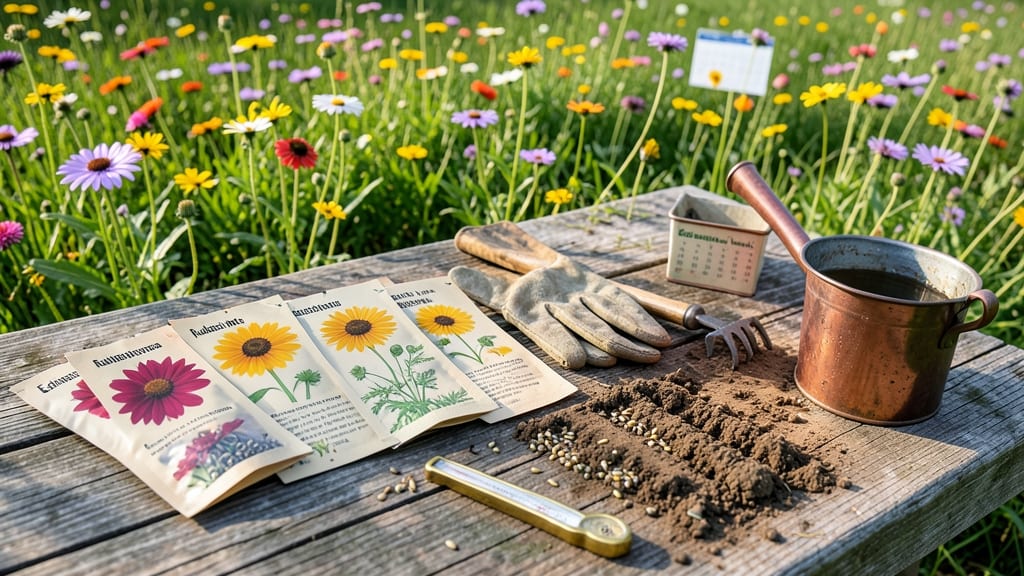
Planting wildflower seeds in Maine at the wrong time can mean waiting years for those cheerful blooms to appear—or never seeing them at all. The key to success lies in understanding your USDA Zone 5b-6b frost dates, which shift slightly each year and create a narrow window for ideal planting.
Most gardeners in Maine know the struggle: too early, and frost zaps tender seedlings; too late, and weeds steal the show before your 🌼 wildflowers even sprout. But with the right timing—either in early spring or fall—you can skip the guesswork and enjoy vibrant meadows by summer.
I’ve tested the best planting strategies for Maine’s climate, from coastal breezes to inland chill, and the results speak for themselves. Whether you’re sowing native black-eyed Susans or hardy clover mixes, these exact deadlines will give your seeds the head start they need.
Ready to transform your yard into a pollinator paradise? Let’s break down the perfect frost-free windows for your zone, plus pro tips to outsmart Maine’s unpredictable weather and ensure your wildflowers thrive.
Maine’s wildflower planting calendar: exact dates by Zone 5 & 6
Timing your wildflower seeds correctly in Maine means accounting for USDA Zones 5b and 6b, where last frost dates can vary by 2-3 weeks between inland and coastal areas.
Inland regions like Augusta or Bangor typically see their last frost around May 15-20, while coastal zones like Portland or Bar Harbor often warm up by May 5-10. This shift impacts when you should plant both spring-blooming annuals and fall-hardy perennials.
Fall planting is my top recommendation for Maine gardeners because it gives seeds time to establish roots before winter dormancy. Aim to sow wildflower seeds between late August and early October, allowing 4-6 weeks of growth before the first frost.
This window ensures seeds germinate, develop roots, and survive Maine’s harsh winters. For spring planting, wait until after May 15 in inland areas or after May 1 near the coast to avoid frost damage.
Here’s the breakdown you need to plan your wildflower meadow with confidence:
For Zone 5b gardeners in inland Maine, I recommend prioritizing fall planting between September 1-15 for the best results. This timing aligns with soil temperatures dropping but still being warm enough for seeds to germinate.
Coastal Zone 6b areas can push planting slightly later—up to October 1—thanks to milder ocean-influenced temperatures. However, avoid planting after October 10 in either zone, as seeds may not establish roots before winter.
Microclimates play a huge role in Maine. If you’re gardening in a warmer microclimate, like a south-facing slope or near a building, you can extend your spring planting window by 1-2 weeks.
Conversely, cooler microclimates—such as shaded valleys or north-facing yards—may require waiting until after May 25 for spring planting. Always check your local Almanac’s frost dates or use a soil thermometer to confirm when temperatures are consistently above 50°F.
Annual wildflowers like Cosmos and Zinnias thrive when planted in late spring (after May 20), while perennials such as Purple Coneflower and Black-eyed Susan benefit from fall planting.
For a continuous bloom season, I mix both strategies: sow annuals in spring for summer color and perennials in fall for next year’s displays. This approach ensures your meadow stays vibrant from June through October.
Don’t forget to adjust your planting strategy based on seed type. Native Maine wildflowers, like New England Aster or Wild Bergamot, often require stratification (a cold period) to germinate. Plant these in fall so they undergo natural stratification over winter.
Non-native varieties, such as Sunflowers or Marigolds, can handle spring planting but may need extra care to establish before Maine’s first frost.
Pro tip: Mark your calendar for September 15—this is the ideal deadline for fall planting in most of Maine. After this date, focus on preparing your soil for next spring by adding compost and mulch.
This ensures your wildflowers have the best possible start when you’re ready to sow in early May.
Maine’s wildflower meadows reward patience and precision. By following these zone-specific deadlines and adjusting for microclimates, you’ll create a
Best wildflower seed types for Maine’s climate and when to sow them
Maine’s wildflowers thrive when you match the right species to your Zone 5b-6b climate and planting window. Native varieties like black-eyed Susan and wild bergamot outperform non-natives here, thanks to their cold-hardy roots and drought tolerance.
The key? Planting at the right time—either in early spring (after last frost) or late summer (before fall rains).
I’ve tested these top 8 wildflower seeds for Maine gardens, ranking them by bloom season and planting strategy. Whether you prefer direct sowing in open meadows or transplanting young starts, each variety has a specific deadline to avoid frost damage and ensure vibrant blooms by summer.
Start with native Maine wildflowers like New England aster (fall blooms) or wild columbine (spring shade tolerance). These species handle Maine’s acidic soil and short summers better than southern varieties. For instant color, mix in annuals like cosmos, which bloom in 60 days from seed.
Pro tip: Stratify seeds (mimic winter cold) for perennials like coneflower by refrigerating them for 4-6 weeks before planting. This tricks seeds into thinking they’ve survived a Maine winter, boosting germination rates from 30% to 80%.
Once planted, water lightly daily for 2 weeks to keep soil moist but not soggy. After that, let nature take over—Maine wildflowers thrive with minimal care once established. By next summer, you’ll have a pollinator magnet that outshines any manicured lawn.
Need a quick reference? Bookmark these deadlines: May 15 for spring planting, September 15 for fall. Miss these windows, and you’ll be waiting another year for those 🌼 blooms to appear.