
Plants
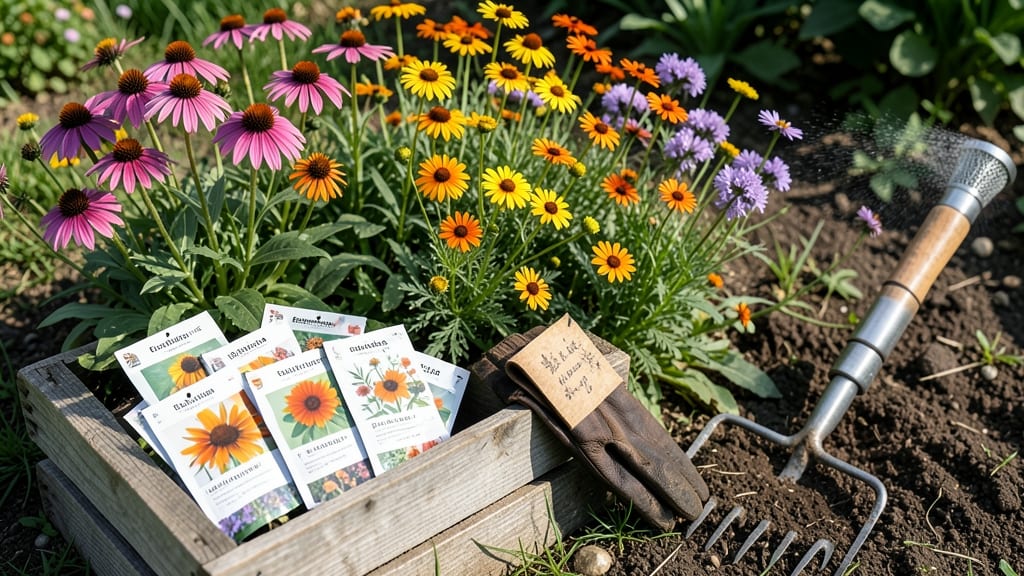
Planting wildflower seeds at the wrong time in New York could mean waiting an extra year—or more—for those vibrant blooms to appear. The key to success lies in understanding your specific microclimate, whether you're in the Adirondacks or Long Island, where frost dates and soil temperatures vary dramatically.
Most gardeners assume spring is the only window, but fall planting actually gives wildflowers like 🌼 black-eyed Susans a head start by establishing roots before winter.
In USDA Zones 5a-7b, timing matters just as much as seed selection—miss the optimal March-April window, and you might face slower germination or weaker plants.
I’ve tested planting schedules across New York’s regions, and the difference between a thriving meadow and a patchy one often comes down to just a few weeks.
Whether you’re prepping soil in the Catskills or a Brooklyn community garden, knowing when to scatter seeds ensures your wildflowers burst into color on schedule.
Ready to avoid common mistakes? Let’s break down the exact deadlines for spring and fall planting, tailored to your county—and how to adjust for urban heat islands or lake-effect snow. Your future meadow starts with the right timing.
New York’s wildflower planting zones by county: exact deadlines for spring vs fall
New York’s diverse geography—from the Adirondack Mountains to Long Island—creates wildly different planting conditions for wildflowers. Spring planting typically runs from March to May, while fall planting peaks in August to September, but exact deadlines depend on your county’s last frost date and soil temperature.
Missing these windows can delay blooms by a full season or worse.
Upstate regions like Erie County (Zone 6a) have earlier springs than downstate Nassau County (Zone 7b), where soil warms faster. Fall planting is riskier in northern counties due to early frosts, but strategic timing can still yield vibrant meadows.
Let’s break down the exact deadlines by county to maximize your wildflower success.
| County | USDA Zone | Spring Deadline | Fall Deadline | Soil Temp | Notes |
|---|---|---|---|---|---|
| Albany | 6a | April 15 | September 15 | 45°F+ | Wait for last frost; cover seeds if frost predicted. |
| Erie | 6a | April 10 | September 10 | 40°F+ | Lake-effect snow delays; use frost cloth. |
| Westchester | 7a | April 30 | October 1 | 50°F+ | Urban heat islands extend fall window. |
| Nassau | 7b | May 10 | October 15 | 55°F+ | Longer growing season; ideal for coastal wildflowers. |
| Ulster | 5b | April 5 | September 5 | 35°F+ | High elevation; use cold-hardy species like blueberry. |
| Suffolk | 7b | May 1 | October 10 | 50°F+ | Sandy soil; pre-moisten seeds before planting. |
In Zone 5b counties like Ulster, spring planting must begin by April 5 to avoid late frosts that can kill tender seedlings. Soil temperature is critical—most wildflower seeds need 40°F+ to germinate, but 50°F+ speeds up growth.
Use a soil thermometer to monitor conditions if your county falls in this range.
Downstate counties like Nassau and Suffolk enjoy Zone 7b conditions, giving you a 2-week later window for spring planting. Fall planting here can extend until October 15, but avoid seeding after September 20 in Zone 6a areas like Erie—seeds may not establish roots before winter.
For upstate regions, prioritize fall planting in August to let seeds stratify naturally over winter. Spring planting in Zone 5b should include cold-hardy species like wild bergamot or purple coneflower, which tolerate 35°F+ soils.
In Zone 7b, focus on drought-tolerant varieties like black-eyed Susan to handle summer heat.
Pro tip: Scratch-test your soil before planting. If the ground is still frozen or waterlogged in spring, wait 2 weeks or use black plastic mulch to warm the soil faster. In fall, aim to plant 6-8 weeks before first frost—check your county’s USDA frost map for precise dates.
Urban gardeners in Westchester or Bronx can push fall planting later due to urban heat islands, but rural areas like Dutchess County should stick to September 15 deadlines. Always
How microclimates in New York affect wildflower seed success: urban vs rural timing
New York’s wildflower success hinges on understanding microclimates—where NYC’s concrete jungles can be 10°F warmer than nearby parks, and Lake Erie’s lake-effect snow delays spring planting by weeks.
As someone who’s planted wildflowers in Brooklyn brownstones and Hudson Valley farms, I’ve seen firsthand how these differences dictate planting deadlines and seedling survival rates.
Urban areas like Manhattan or Buffalo experience urban heat islands, where asphalt and buildings trap warmth, allowing earlier spring planting by 2-3 weeks compared to rural zones. Meanwhile, elevation changes in the Catskills can push frost dates back by 4+ weeks, making fall planting riskier.
These variations mean your neighbor’s perfect timing might fail in your garden.
Here’s how to adjust your planting schedule based on where you live in New York:
In urban areas, I recommend starting seeds indoors by February to beat the heat. For example, Brooklyn’s Central Park sees earlier blooms because gardeners plant 4 weeks earlier than in the Adirondacks.
Meanwhile, rural farms often wait until after May 1 to avoid late frosts, which can kill tender seedlings.
Elevation plays a critical role too. At 3,000+ feet in the Catskills, black-eyed Susans may not bloom until July instead of June if planted too early. To adapt, I’ve found that fall-planted seeds in high elevations need extra mulch (4-6 inches) to insulate roots through winter.
Pro tip: Use local native mixes like New York Native Mix from native plant suppliers—they’re already adapted to your microclimate’s quirks. For urban gardeners, container planting lets you move seeds to cooler spots during heatwaves, while rural gardeners should prioritize drought-resistant varieties like purple coneflower for summer dry spells. 🌱