
Plants
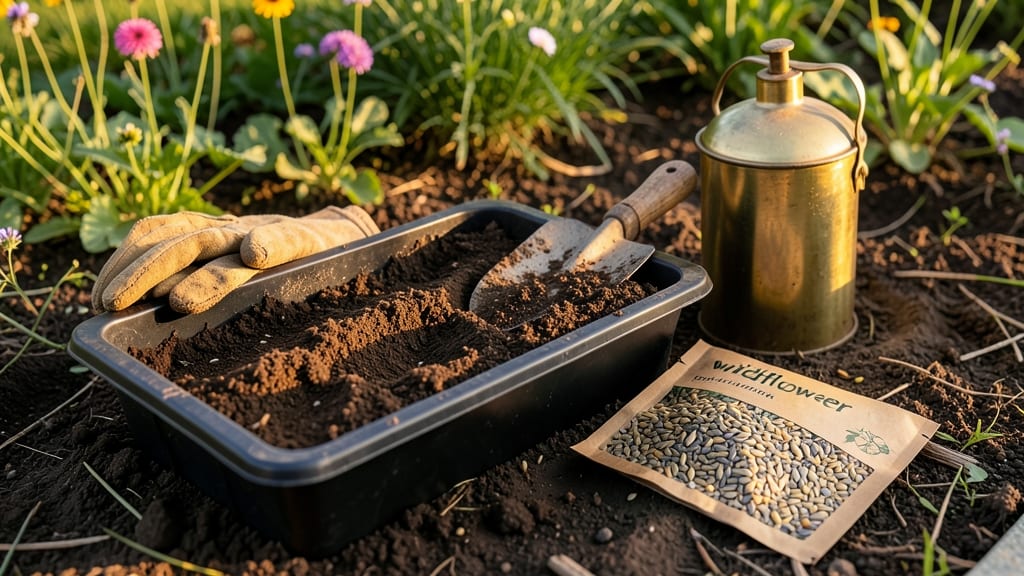
Planting wildflower seeds at the wrong time in Zone 6 can leave you staring at bare soil instead of a vibrant meadow—so getting the frost-date math right is everything.
Most gardeners assume early spring is the only option, but in Zone 6 (where last frosts hit around mid-April), late summer planting often delivers more reliable blooms. The key is timing your seeds 4-6 weeks before your first frost, whether that's in August or March.
Let me show you exactly how to calculate your perfect window using local data.
You’ll learn which wildflower varieties thrive in Zone 6’s two planting seasons, how to prep your soil for maximum germination, and why some seeds need a cold stratification trick. Skip the guesswork—these strategies will give you faster and healthier blooms from your first season.
Ready to transform your yard into a pollinator paradise? Let’s break down the science behind the timing so you can plant with confidence—and enjoy those colorful blooms all summer long.
Zone 6 wildflower planting timeline: frost dates and seasonal rules
Planting wildflowers in Zone 6 requires precise timing to outpace frost dates and maximize germination. The last spring frost typically arrives between mid-April and early May, while the first fall frost usually hits mid-October.
These dates create two ideal planting windows: early spring and late summer/early fall. Understanding these windows ensures your seeds establish strong roots before harsh weather arrives.
Spring planting gives seeds 6–8 weeks of warm soil before summer heat, while fall planting provides 4–6 weeks of growth before winter dormancy. Both strategies work, but fall planting often yields better results because cooler temperatures reduce weed competition and help seeds germinate naturally with winter rains.
However, spring planting is your only option for tender annuals that won’t survive frost.
Here’s a summary table breaking down the best planting windows, soil conditions, and care tips for each season in Zone 6:
Regional variations within Zone 6 can shift these windows by 1–2 weeks. For example, western Zone 6 (e.g., Colorado, Wyoming) may experience earlier last frosts (late April), while eastern Zone 6 (e.g., Ohio, Pennsylvania) often sees frost linger until mid-May.
Use the USDA Plant Hardiness Zone Map and local weather stations to refine your timing—just plug in your ZIP code for precise frost alerts.
Microclimates also play a role. South-facing slopes warm up faster in spring, while low-lying areas hold frost longer. If you’re unsure, opt for fall planting—it’s more forgiving.
Start seeds 6–8 weeks before your first frost (usually by September 1st) to ensure they germinate and develop 2–3 inches of growth before winter sets in. This gives them a head start for spring blooms.
For spring planting, wait until 2 weeks after your last frost date to avoid seedling damage. Test soil temperatures with a soil thermometer—ideal germination occurs at 60–70°F (15–21°C).
If nights are still chilly (below 50°F/10°C), use row covers or wait another week. Native wildflowers, like black-eyed Susans or coneflowers, thrive in these conditions and reward patience with long-lasting blooms.
One common mistake is planting too early in spring when soil is still cold or too late in fall when seeds won’t germinate before frost. Zone 6’s short growing season demands precision—aim for April 15–May 15 for spring or August 15–September 15 for fall.
If you miss these windows, consider container gardening to extend your season or choose winter-hardy varieties like blue flax or wild bergamot.
After planting, maintain consistent moisture for the first 4–6 weeks, as dry spells can kill young seedlings. Mulch with straw or leaves to retain moisture and suppress weeds.
In fall, avoid fertilizing—wildflowers need low-nutrient soil to thrive naturally. Instead, focus on light soil disturbance and natural rainfall to encourage deep root growth before winter.
With the right timing, your Zone 6 wildflower meadow can burst into color from late spring to early fall. Start with mixed seed blends for continuous blooms, and don’t forget to leave some seed heads for wildlife support. Happy planting—your future pollinators will thank you! 🌼
How to calculate your exact planting window using local frost data
Mastering frost-date math is the secret to planting wildflower seeds in Zone 6 with predictable success. Unlike annuals, wildflowers often need 4-6 weeks to establish roots before winter sets in. The key is knowing your last frost date (typically mid-April) and first frost date (mid-October) for your specific location.
Start by checking the USDA Plant Hardiness Zone Map to confirm your exact Zone 6a or 6b designation. Then, use your local cooperative extension service for historical frost data—this is more precise than generic zone averages.
For example, Columbus, OH might have last frosts in early April, while Denver, CO could see them in late May.
⚠️ callout warning
Don't rely on neighbor's advice—microclimates vary! A south-facing slope warms 2-3 weeks earlier than a low-lying valley. Use soil thermometers ($10 at garden centers) to confirm when soil reaches 50°F for spring planting or 60°F for fall.
Pro Tip: Bookmark the NOAA Frost/Freeze Tool (https://www.ncdc.noaa.gov) for real-time updates.
For spring planting, aim to sow seeds 2-3 weeks after your last frost date. If your area has late frosts, opt for cold-hardy varieties like bluebonnets or lupines that tolerate light frost. Use the 50°F soil temperature as your trigger—most wildflower seeds need this warmth to germinate.
Fall planting in Zone 6 works best when you sow 4-6 weeks before your first frost. This gives seeds time to germinate and develop 2-3 sets of true leaves before winter.
For late-summer planting, target mid-August in most of Zone 6. Check your local almanac for historical frost dates—some years are 1-2 weeks earlier than average.
Don't forget soil temperature charts! Many wildflower seeds need 60-70°F soil to germinate. Use a soil thermometer for 3-5 days to confirm conditions. For spring planting, wait until soil warms consistently above 50°F—cold soil delays germination by weeks.
For fall planting, soil should be 60°F or warmer when you sow.
Once you've calculated your window, mark it on your calendar with reminders for soil prep (remove weeds, loosen top 2 inches) and seed scattering. Remember: wildflowers thrive in poor soil, but they need good seed-to-soil contact.
Lightly rake or press seeds into the top 1/4 inch of soil for best results. Keep the area moist but not soggy until germination.