
Flowers
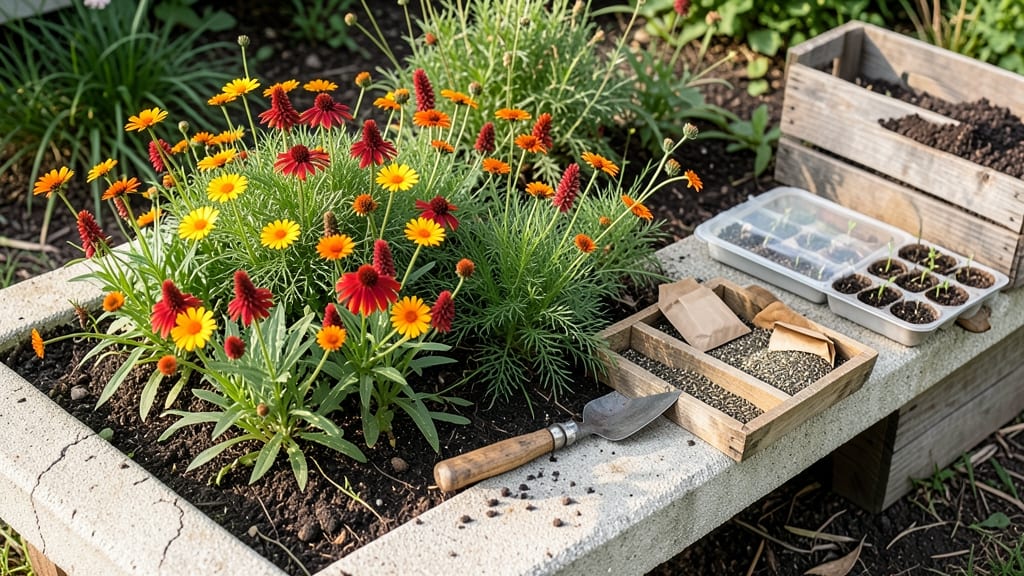
Planting wildflowers in Florida at the wrong time can mean the difference between a lush, pollinator-friendly meadow and a sad, half-dead patch of dirt. With two ideal windows—fall and early spring—you’ll want to sync your planting with Florida’s unique climate zones to avoid frost damage or scorching heat.
I’ve tested the best months across Florida’s 8a-11 zones, and what works in North Florida (like Jacksonville) fails in South Florida (like Miami). The key? Timing your seeds or transplants for cool, moist soil—whether that’s September’s gentle rains or February’s mild mornings.
Skip summer, and you’ll watch your wildflowers 🌼 wilt before they even sprout.
This isn’t just about aesthetics—it’s about supporting bees, butterflies, and birds while keeping your garden thriving. I’ll break down the exact months for each region, plus soil prep tips to set your wildflowers up for year-round blooms. Ready to transform your yard into a vibrant ecosystem? Let’s get started.
Whether you’re a first-time gardener or a seasoned pro, the right timing makes all the difference. By the end of this guide, you’ll know exactly when to plant wildflowers in Florida—and how to keep them flourishing through every season.
Florida wildflower planting calendar by region: best months for year-round blooms
Florida’s diverse climate zones—from frost-prone North Florida to frost-free tropical Keys—demand region-specific planting strategies for wildflowers. Timing matters because fall plantings establish roots before winter, while spring plantings avoid summer drought stress.
Each zone has unique frost dates, rainfall patterns, and native species cycles that dictate the best months for planting.
For North Florida (Zones 8a-8b), frost is a real threat, so focus on late summer to early fall (August–October) to give seedlings time to root before winter.
In Central Florida (Zone 9a), you can extend planting into early winter (December), while South Florida (Zones 10a-11) allows year-round planting with peak success in fall and spring. The Panhandle and Keys have their own microclimates, requiring tailored approaches.
Here’s a region-by-region breakdown of the best months to plant wildflowers for continuous blooms, accounting for frost dates, rainfall, and native species:
| Region | Best Planting Months | Key Species | Notes |
|---|---|---|---|
| North Florida | August–October (fall), February–March (spring) | Black-Eyed Susan, Coreopsis, Blanket Flower | Avoid planting after October 15 (frost risk). |
| Central Florida | September–November (fall), January–February (spring) | Lantana, Butterfly Milkweed, Firebush | December plantings are possible but risk light frost. |
| South Florida | Year-round (peak: September–November, March–May) | Plume Poppy, Wild Petunia, Beach Sunflower | No frost; prioritize rainy season (June–September). |
| Panhandle | August–September (fall), February (spring) | Partridge Pea, Purple Coneflower, Goldenrod | Coastal areas can plant later (October) due to milder winters. |
| Florida Keys | September–November, March–April | Seashore Mallow, Beach Morning Glory, Wild Hibiscus | Saline soils; use sandy loam mixes for better drainage. |
In North Florida, where frost dates range from December 15 to January 15, planting wildflowers in late summer (August–September) ensures they establish roots before winter. For example, Black-Eyed Susans and Coreopsis thrive when sown in September, blooming from spring to early fall.
Avoid planting after October 15, as seedlings may not survive frost.
Central Florida’s milder winters (Zone 9a) allow for extended planting windows, including January–February for spring blooms. Native species like Butterfly Milkweed and Firebush benefit from fall plantings, as they establish roots before summer heat. However, December plantings carry a slight frost risk in inland areas.
For South Florida’s tropical climate (Zones 10a–11), wildflowers can be planted year-round, but fall and spring yield the best results. Species like Plume Poppy and Wild Petunia thrive in the rainy season (June–September), which provides natural irrigation.
In contrast, summer plantings (May–July) require extra watering to prevent drought stress.
The Panhandle’s unique microclimate blends North and South Florida traits. Coastal areas can plant later into October due to milder winters, while inland zones follow North Florida’s August–September window. Native Partridge Pea and Purple Coneflower are ideal for this region, as they tolerate both sandy soils and occasional drought.
In the Florida Keys, saline soils and humidity dictate planting strategies. Focus on September–November and March–April to align with natural rainfall patterns. Coastal wildflowers like Seashore Mallow and Beach Morning Glory thrive in these conditions, but avoid planting during hurricane season (June–November) due to storm risks.
To maximize year-round blooms, layer plantings across seasons. For example, sow spring-blooming species (e.g., Coreopsis) in fall and fall-blooming species (e.g., Goldenrod) in early spring. This creates a continuous pollinator buffet from March to November, regardless of your Florida region.
Pro tip: Always
Native wildflowers to plant by season: fastest-growing species for Florida gardens
Florida’s wildflowers thrive when planted at the right time, and the fastest-growing species are those adapted to our humid, sandy soils and seasonal rains. I’ve selected native varieties that bloom quickly—some in as few as 6 weeks—to give you instant color while supporting local ecosystems.
These picks also handle Florida’s intense sun and occasional drought like pros.
Each season offers unique opportunities: spring brings bold blooms like Black-Eyed Susans, while fall sets the stage for Goldenrod and Aster to shine. Summer’s heat-tolerant stars like Lantana and Blanket Flower keep your garden vibrant when other plants might struggle.
Let’s dive into the top performers for each season, so you can plan your pollinator paradise with confidence.
- 🌱 Spring: Black-Eyed Susan (6-8 weeks) – Thrives in full sun, drought-tolerant once established. Coreopsis (5-7 weeks) – Bright yellow blooms, attracts butterflies.
- ☀️ Summer: Lantana (6-8 weeks) – Heat-loving, deer-resistant, blooms nonstop. Blanket Flower (7-9 weeks) – Orange-red flowers, thrives in sandy soil.
- 🍂 Fall: Goldenrod (8-10 weeks) – Late-season nectar source, golden blooms for autumn. Aster (7-9 weeks) – Purple flowers, attracts bees and butterflies.
- ❄️ Winter (North FL only): Bluebonnet (8-10 weeks) – State flower, needs cool soil to germinate. Violet (6-8 weeks) – Early bloomer, great for ground cover.
- 💧 Year-Round: Firewheel (6-8 weeks) – Fastest grower, red-orange blooms, loves moisture. Partridge Pea (7-9 weeks) – Drought-tolerant, purple and yellow flowers.
For spring planting, focus on Black-Eyed Susans and Coreopsis—they germinate quickly in Florida’s warm soil and bloom by late spring. These sun-loving wildflowers thrive in well-draining soil and can handle our sandy, nutrient-poor native soils with minimal fuss.
I’ve seen Coreopsis pop up in just 5 weeks when planted in February or March, giving you early-season color.
Summer’s hottest months call for heat-tolerant champions like Lantana and Blanket Flower. These drought-resistant wildflowers not only survive Florida’s 90°F+ temps but also thrive, producing bright blooms that attract hummingbirds.
Plant these in late spring (April-May) for summer-long color, and they’ll reward you with minimal watering once established.
Fall is the perfect time to plant Goldenrod and Aster, which establish roots before winter and bloom spectacularly in late autumn. These late-season wildflowers provide critical nectar for migrating butterflies and bees.
I recommend sowing seeds in September or October—just as summer’s heat breaks—to give them a head start before cooler weather sets in.
Even in North Florida’s cooler winters, Bluebonnets and Violets can add early-season color if planted in late fall (November). These cool-season wildflowers need moist soil to germinate, so water gently after planting.
While they won’t bloom until spring, their fast growth makes them worth the wait for a vibrant display.
To maximize your wildflower garden’s impact and speed, combine these fast-growing species with native grasses like Muhenberg’s Lovegrass. This mix creates a low-maintenance ecosystem that supports pollinators year-round.
Start with direct seeding in the right season, and you’ll have a blooming paradise in just a few months—no waiting years for slow growers! 🌻