
Flowers
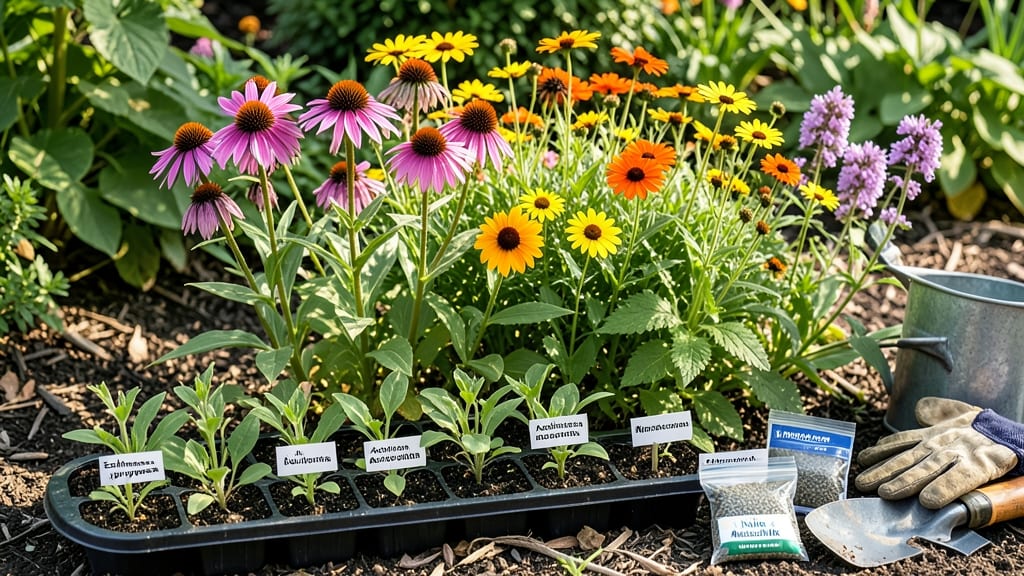
Planting wildflowers in Maryland at the wrong time can mean waiting months for those vibrant blooms—or worse, watching your seeds vanish under frost.
The key to a thriving meadow lies in understanding your region’s frost-free windows, which can vary by up to 4 weeks from Baltimore’s coastal plains to the Appalachian foothills.
If you’ve ever scattered seeds in early spring only to see them freeze or struggle in soggy soil, you’re not alone. The best months to plant wildflowers in Maryland—March-April or September-October—align with soil temperatures that encourage germination, not frost damage.
But timing isn’t one-size-fits-all: Southern Maryland’s milder climate lets you start earlier, while the 6a-8a zones in the north demand patience.
What if I told you the secret to continuous blooms from May to September isn’t just about seeds—it’s about prep? Loosening clay-heavy soil, choosing native species like black-eyed Susans, and avoiding invasive varieties can mean the difference between a patchy garden and a pollinator paradise.
Let’s break down the exact steps to time your planting for maximum success.
Ready to transform your yard into a wildflower haven? We’ll cover regional planting calendars, soil prep hacks, and even how to outsmart Maryland’s unpredictable weather. Your future meadow starts with the right move—and the clock is ticking.
Maryland wildflower planting timeline by month: frost-free zones explained
Maryland’s three distinct frost-free zones—Northern, Central, and Southern—create unique planting windows for wildflowers. Understanding these zones helps you avoid frost damage while maximizing bloom time. The last frost typically arrives in mid-April in the north but as early as late March in the south.
Soil temperatures also play a critical role, with seeds needing 45-60°F to germinate properly.
Each zone has its own ideal planting months, with spring (March-April) and fall (September-October) being the safest bets.
Southern Maryland’s longer growing season allows for earlier spring plantings, while Northern Maryland’s shorter season demands quicker germination. Pollinator activity also peaks during these windows, making timing crucial for attracting bees and butterflies.
Below is a detailed month-by-month breakdown tailored to Maryland’s frost-free zones, including soil temperature guidelines and seasonal considerations like drought risk and rainfall patterns. Use this as your roadmap to planting a thriving wildflower meadow.
| Zone | Month | Soil Temp (°F) | Planting Window | Seasonal Notes |
|---|---|---|---|---|
| Northern | March | 45-50°F | Late March (after frost risk) | High drought risk; water deeply |
| Northern | April | 50-60°F | Entire month (ideal) | Peak pollinator activity; prepare for rain |
| Northern | September | 60-65°F | Early September (before frost) | Moderate rainfall; soil still warm |
| Central | March | 50-55°F | Mid-to-late March | Variable frost; monitor forecasts |
| Central | April | 55-65°F | Entire month (best) | High pollinator traffic; mulch to retain moisture |
| Central | September | 65-70°F | Early-to-mid September | Warm soil; ideal for fall germination |
| Southern | February | 55-60°F | Late February (early start) | Low frost risk; prepare soil early |
| Southern | March-April | 60-70°F | Entire period (flexible) | Extended bloom season; drought possible |
| Southern | October | 60-65°F | Early October (before frost) | Warm soil; late-season pollinators |
In Northern Maryland, where frost lingers longer, focus on planting in late March through April for spring blooms.
Soil temperatures must reach at least 50°F for seeds to germinate successfully. Fall planting in early September works well but requires monitoring for early frost. Drought conditions are common in spring, so mulch heavily to retain moisture.
For Central Maryland, you have a slightly longer window to plant in March and April, with soil temperatures warming faster than the north.
This zone benefits from two peak planting periods: spring for immediate color and fall for next-year blooms. Pollinators thrive here, so timing aligns perfectly with their activity cycles. Avoid planting too early—frost can kill tender seedlings.
In Southern Maryland, the growing season extends into late fall, allowing for February plantings in mild winters. Soil stays warm longer, giving seeds a head start. October plantings also work well, providing late-season blooms. However, drought risk increases
Best wildflower types for Maryland’s climate and when to sow them
Maryland’s diverse climate from the Coastal Plain to the Appalachian foothills means not all wildflowers thrive equally.
The key to a pollinator-friendly meadow is choosing the right species for your region—and planting them at the perfect time. Annuals like cosmos and zinnias burst into color in a single season, while perennials like black-eyed Susans and coneflowers return year after year with minimal effort.
Native species are your best bet: they’ve evolved to handle Maryland’s clay-heavy soils, humid summers, and variable frost dates. Plus, they’re magnet for bees, butterflies, and hummingbirds.
If you’ve ever wondered why your wildflower patch fizzled, it might be because you planted non-natives or ignored the 60-day germination window for spring sowing.
🌱 Key Planting Times for Maryland Wildflowers
- Early Spring (March-April): Ideal for annuals like cosmos and sunflowers—soil warms to 50°F+ by late March in Southern MD.
- Late Summer (August): Perfect for fall-blooming perennials like asters; seeds germinate as temps drop.
- Early Fall (September-October): Best for perennials like coneflowers—avoids summer heat stress and establishes roots before frost.
- Late Fall (November): Only for cold-hardy natives like goldenrod; seeds need winter chill to germinate in spring.
For annual wildflowers, think of them as the fast-track bloomers. Cosmos and zinnias are my go-tos—they germinate quickly in 55-65°F soil and tolerate Maryland’s humidity. Sow them in late April to early May after the last frost, and you’ll have blooms by June.
Pro tip: Mix in lupine for nitrogen-fixing power to enrich your soil naturally.
Perennials like black-eyed Susans and purple coneflowers are the workhorses of wildflower gardens. They thrive in Maryland’s USDA zones 6a-8a and reward patience with years of blooms.
Plant them in early fall (September) so roots establish before winter. I’ve seen coneflowers in my Baltimore garden bloom from July to October—with almost no maintenance!
Don’t overlook native grasses like little bluestem or switchgrass. They add texture and movement to meadows and pair beautifully with wildflowers. These drought-tolerant plants handle Maryland’s summer heat better than many imported species. Sow them in late summer (August) for a golden fall display.
Timing matters even for wildflower mixes. If you buy a pre-mixed packet, check the label—some blends include cool-season and warm-season species. For example, my Annapolis garden failed last year because I planted a mix with cool-season phlox too late; it bolted in the heat.
Now I plant warm-season mixes in May and cool-season mixes in September.
Remember: Native species like butterfly weed and wild bergamot are your secret weapon. They’re low-maintenance, drought-resistant, and pollinator magnets. Start with just a few native plugs or seeds, and watch your garden transform into a thriving ecosystem—no fancy fertilizers needed! 🌿