
How To
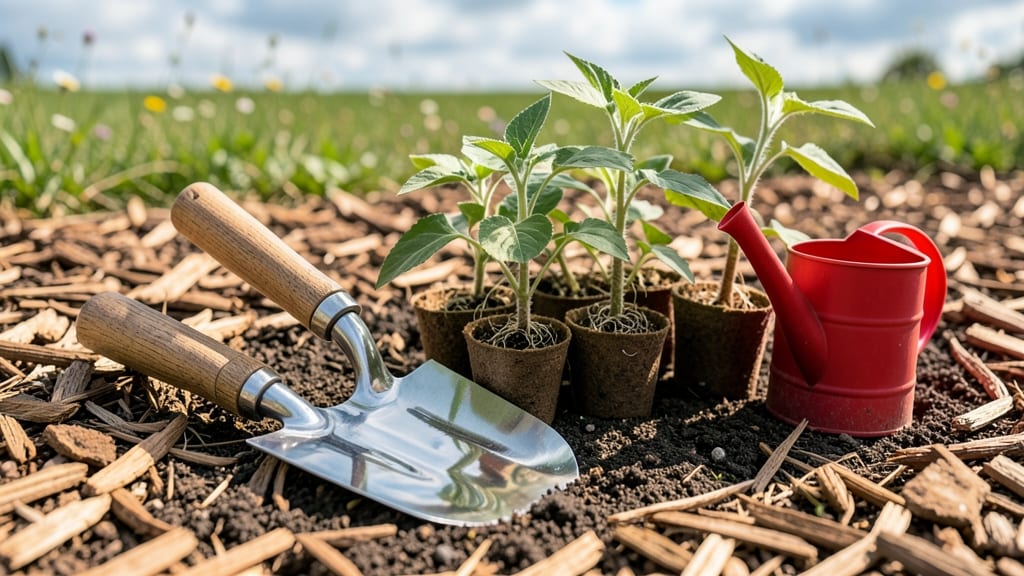
Timing when to transfer sunflower seedlings outside can make or break their growth—get it wrong, and you risk stunted plants or even loss. The key isn't just waiting until spring; it's understanding when those 🌻 babies are strong enough to handle the elements without shock.
Most gardeners in zone 6a start seedlings indoors in April, but transplanting too soon after the last frost (around April 15) means cold soil and weak roots. I’ve learned the hard way that rushing leads to leggy, struggling plants—so let’s talk about the perfect window for moving them.
You’ll want seedlings with 4-6 true leaves and a sturdy stem before transplanting, usually around 4-6 weeks old. But don’t just guess—check soil temps (aim for 50°F) and harden them off first to build resilience.
In this guide, I’ll walk you through the exact steps to time your transplant just right, from reading your seedlings’ signals to avoiding common pitfalls. Let’s get those sunflowers thriving in the ground where they belong!
The exact timeline for transplanting sunflower seedlings by growth stage
Transplanting sunflower seedlings at the right time ensures they thrive instead of struggling. The key is waiting until they’ve developed 4-6 true leaves and reached 6-12 inches tall. This balance between maturity and weather conditions prevents transplant shock and promotes strong root establishment.
Seedlings typically reach this stage 4-6 weeks after sowing, but timing varies based on your USDA zone and local climate. In cooler regions (Zones 3-5), aim for transplanting after the last frost date, usually mid-to-late May. Warmer zones (6-10) can transplant as early as late April.
Soil temperature plays a critical role—wait until the ground warms to at least 50°F (10°C). A simple trick is to press your hand into the soil for 5 seconds; if it feels comfortably warm, it’s ready. Cold soil slows root growth and increases the risk of disease.
| Growth Stage | Seedling Age | Height | Leaf Count | Soil Temp | Transplant Time |
|---|---|---|---|---|---|
| Early Seedling | 2-3 weeks | 2-4 inches | 2-3 true leaves | Too cold | Wait |
| Ideal Stage | 4-6 weeks | 6-12 inches | 4-6 true leaves | 50°F+ (10°C+) | Perfect |
| Overgrown | 7+ weeks | 12+ inches | 7+ leaves | 50°F+ (10°C+) | Transplant carefully |
If your seedlings have 4-6 true leaves but haven’t reached 6 inches, hold off until they do. Stunted growth often results from transplanting too early. Conversely, if they’ve outgrown their containers with 8+ leaves, they’re still transplantable but may need extra care to recover.
Morning transplanting is ideal—cooler temperatures reduce stress. Water seedlings thoroughly the day before moving them to minimize root disturbance. Dig holes twice as wide as the root ball and mix in a handful of compost to enrich the soil.
After transplanting, stake tall varieties immediately to prevent toppling. Sunflowers grow rapidly, and their heavy flower heads can snap weak stems. Use soft ties to secure stems without restricting growth, and water deeply at the base to encourage root spread.
Watch for signs of transplant shock in the first week: wilting, yellowing leaves, or stunted growth. These symptoms usually fade as roots adjust. If problems persist, your seedlings may need additional hardening or a more gradual transition to outdoor conditions.
In regions with unpredictable weather, err on the side of caution. A 1-2 week delay is better than risking frost damage or poor establishment. Use row covers if nighttime temperatures dip below 45°F (7°C) to protect tender seedlings.
Remember, sunflowers are resilient but not indestructible. The right timing—mature seedlings, warm soil, and stable weather—sets the stage for towering, vibrant blooms that’ll brighten your garden all summer long.
Hardening off sunflower seedlings: a 7-Day schedule to prevent shock
Even if your sunflower seedlings have the perfect 4-6 true leaves and warm soil awaits, skipping the hardening process is like throwing them into a swimming pool without teaching them to float. Without gradual acclimation, they’ll wilt under direct sunlight or wind stress, setting back their growth for weeks.
Hardening off is your secret weapon for resilient seedlings. This 7-day process mimics outdoor conditions, strengthening stems and roots so they’re ready for permanent planting. Think of it as a sunflower boot camp—controlled exposure builds toughness without shock.
Start when seedlings are 3-4 weeks old and have 3-4 true leaves. Place them in a sheltered spot (like a porch or patio) where they’ll get indirect sunlight for 2-3 hours on day one. Gradually increase exposure over the week to prepare them for full sun and outdoor elements.
-
1
Day 1-2: Partial Sun & Shelter
Place seedlings in morning sun (2-3 hours) in a sheltered spot. Protect from direct afternoon sun and wind. Water lightly in the evening. -
2
Day 3-4: Extended Sun Exposure
Move to 4-5 hours of sun daily. Introduce mild wind by placing near an open window or balcony. Reduce watering slightly to toughen roots. -
3
Day 5-6: Full Sun & Wind Test
Expose to 6+ hours of direct sun. Place in a windy spot (like a garden edge) for 1-2 hours daily. Monitor for wilting—water only if leaves droop noticeably. -
4
Day 7: Full Outdoor Conditions
Leave seedlings outside 24/7 in their final planting spot. If night temps drop below 50°F (10°C), bring them indoors overnight. They’re now ready for transplanting!
Pro tip: Use shade cloth (30-50%) on the first few days if your seedlings look stressed. Watch for yellowing leaves or soft stems—these are signs they’re not ready for the next step. Adjust the schedule based on their resilience, not just the calendar.
After hardening, your seedlings will look sturdier and greener. They’ll handle transplanting like pros, with minimal shock. The key is consistency—don’t rush the process, even if the weather seems perfect. Think of it as giving your sunflowers a confidence boost before their big move.
Once hardened, transplant on a cloudy morning to reduce stress. Water deeply afterward and mulch to retain moisture. Your sunflowers will reward you with taller, healthier growth all season long.