
Planting
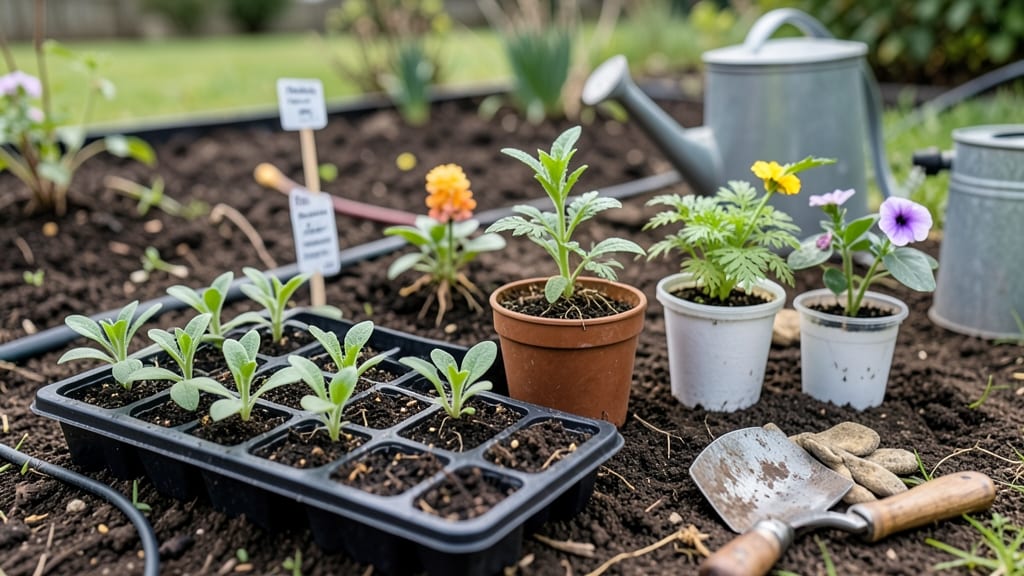
Transplanting your 🌸 flower seedlings at the wrong time can turn your garden dreams into a sad pile of wilted stems. The key to success isn't just waiting for warm weather—it's knowing when those little plants have hit the perfect leaf-stage and environmental sweet spot.
In USDA Zone 6a, like many spring gardeners, you're likely staring at your seedlings wondering, "Are they ready yet?" The answer lies in their leaf count, root strength, and how they handle evening chills after hardening off.
Get this timing wrong, and you risk shock that stunts growth—or worse, kills them before they even bloom.
I’ve learned the hard way that rushing seedlings outdoors too early means weak stems and stunted blooms. But waiting too long? You might miss the ideal planting window entirely.
The good news? With a simple leaf-stage checklist and a few pro tips, you can transplant confidently and set your flowers up for a vibrant, long-lasting display.
Let’s break down exactly when to move those seedlings—plus how to spot the signs they’re truly ready for their forever home in your garden. Your future bouquets will thank you.


How to identify the perfect leaf-stage for transplanting flower seedlings
Transplanting flower seedlings at the wrong leaf-stage can mean the difference between thriving blooms and wilted disappointment. The key lies in understanding true leaves versus cotyledons—those first two baby leaves aren't the same as the real deal.
Most flower seedlings are ready when they've developed 4-6 true leaves and a sturdy root system.
Why does this matter? Seedlings with only cotyledons (the first leaves) lack the energy reserves and leaf surface area to support transplant shock recovery. Waiting until true leaves appear ensures your seedlings have the photosynthetic power to bounce back from the stress of moving.
Think of it like giving them a nutritional head start before the big move.
| Development Stage | Leaf Characteristics | Root Strength | Transplant Readiness |
|---|---|---|---|
| Seedling Stage | Only cotyledons (first two leaves) | Very weak roots | Not ready |
| Early Growth | 2-4 true leaves appear | Developing roots | Not ideal yet |
| Optimal Stage | 4-6 true leaves, sturdy stem | Strong root ball | Ready to transplant |
| Late Stage | 8+ leaves, flowering buds | Overgrown roots | Risk of shock |
🌱 Pro Tip: Gently tug on seedlings—if roots resist, they're ready!
Beyond leaf count, pay attention to the root system. Healthy seedlings will have roots growing out of the drainage holes in their containers. If you see root-bound seedlings circling the pot, it's a sign they're eager to stretch their legs—but don't rush!
They still need those true leaves to support new growth.
Another critical cue is the hardening-off process. Before transplanting, seedlings need 7-10 days of gradual exposure to outdoor conditions—wind, sun, and temperature fluctuations. Start with just a few hours in a sheltered spot, then increase daily.
This mimics nature's way of preparing seedlings for the real world and reduces transplant shock by 60%.
Timing matters too. Wait until after your last frost date (check your USDA zone) and when soil temperatures reach at least 55°F. Cold soil shocks roots, slowing growth.
Use a soil thermometer for accuracy—don't guess! For example, in Zone 6a, aim for mid-April to early May, but always confirm with local weather forecasts.
Watch for environmental cues like bud formation. If your seedlings start showing flower buds before they've developed 4-6 true leaves, delay transplanting. Buds are energy-intensive, and seedlings need all their resources focused on root establishment first. Think of it like a marathon runner—you don't sprint before warming up!
One common mistake is transplanting overgrown seedlings. If your seedlings are already flowering or have more than 8 leaves, they've likely outgrown their container and may struggle to recover. These plants are often root-bound, meaning their roots have circled the pot and may break during transplanting.
To fix this, gently tease out the roots before planting or choose larger containers next time.
For heat-sensitive flowers like petunias or snapdragons, transplant in the early morning or late afternoon to avoid midday sun stress. Water thoroughly before and after transplanting to help roots establish.
Mulch around the base with organic matter to retain moisture and regulate soil temperature. This simple step can improve survival rates by up to 40%.
Finally, trust your seedling's signals. If leaves look yellowing or wilting after transplanting, it's a sign of stress. This could mean you transplanted too early, didn't harden off properly, or the roots were damaged.
Don't panic—give them time to recover in partial shade for a few days while you monitor progress. With the right leaf-stage and care, your seedlings will thank you with vibrant blooms all season long.
Best practices for transplanting flower seedlings by plant type
Not all flower seedlings thrive under the same transplanting rules. Annuals like marigolds and petunias demand urgency—they bolt quickly in warm soil, while perennials like lavender and coneflowers can wait for cooler roots.
Even within these groups, heat-sensitive varieties (think geraniums) need nighttime protection, while drought-tolerant types (like zinnia) prefer a hotter, drier send-off.
Your transplanting strategy also shifts based on container vs. in-ground planting. Containers warm faster, so seedlings go in earlier, while in-ground beds stay cooler longer. Ignoring these differences?
You’ll either fry tender roots or delay blooms until summer’s end. Let’s match your plants to the perfect timing and method for their needs.
Transplanting Flower Seedlings: When & How
✅ Annuals: Transplant 2-3 weeks after last frost (e.g., marigolds in early April).
✅ Perennials: Wait until soil reaches 60°F (e.g., lavender in mid-May).
✅ Containers: Move seedlings when daytime temps stay above 55°F.
✅ Heat-lovers: Transplant drought-tolerant types (e.g., zinnia) in full sun.
❌ Rush heat-sensitive seedlings (e.g., petunias) before nighttime temps stay above 50°F.
❌ Plant perennials in cold, wet soil—wait for well-drained beds.
❌ Ignore leaf-stage: Seedlings need 4-6 true leaves before transplanting.
❌ Skip hardening off—expose seedlings to outdoor conditions for 7-10 days first.
For annuals, timing is everything. Marigolds and petunias should hit the ground 2-3 weeks after your last frost date—typically early April in Zone 6a. These fast growers resent delays, so mark your calendar: soil temperature matters more than air temperature.
Use a soil thermometer to confirm it’s warmed to at least 55°F before digging. Pro tip: Morning transplanting minimizes stress from afternoon heat.
Perennials like lavender and black-eyed Susans play by different rules. They’re happier waiting until mid-May when soil hits 60°F—their roots need warmth to establish before winter. Drought-tolerant varieties (e.g., salvia) thrive when transplanted in hotter, drier conditions, while heat-sensitive types (like hollyhocks) beg for cooler evenings. Always check your plant’s USDA Zone hardiness for clues.
Container gardening changes the game entirely. Pots heat up faster, so you can transplant 2 weeks earlier than in-ground beds. Petunias and geraniums in containers often go out by late March in Zone 6a, provided daytime temps stay above 55°F.
Just ensure your containers have drainage holes—waterlogged roots are a one-way ticket to transplant shock. For in-ground planting, amending soil with compost and a slow-release fertilizer gives seedlings a nutrient boost they’ll need to recover.
Watch for these readiness signs before transplanting: 4-6 true leaves, sturdy stems, and seedlings that bounce back from a week of hardening off. Ignore these cues, and you risk transplant shock, where seedlings wilt despite your best efforts.
My lavender once took 3 weeks to recover after an early transplant—now I wait until the soil is truly warm.
Your garden’s microclimate also dictates timing. A south-facing bed warms faster than a north-side container, so adjust accordingly. Group heat-lovers (like zinnia) together and cool-season types (like snapdragons) in shadier spots. With these tailored tips, your seedlings will transition from trays to thriving blooms without a hitch.