
Planting
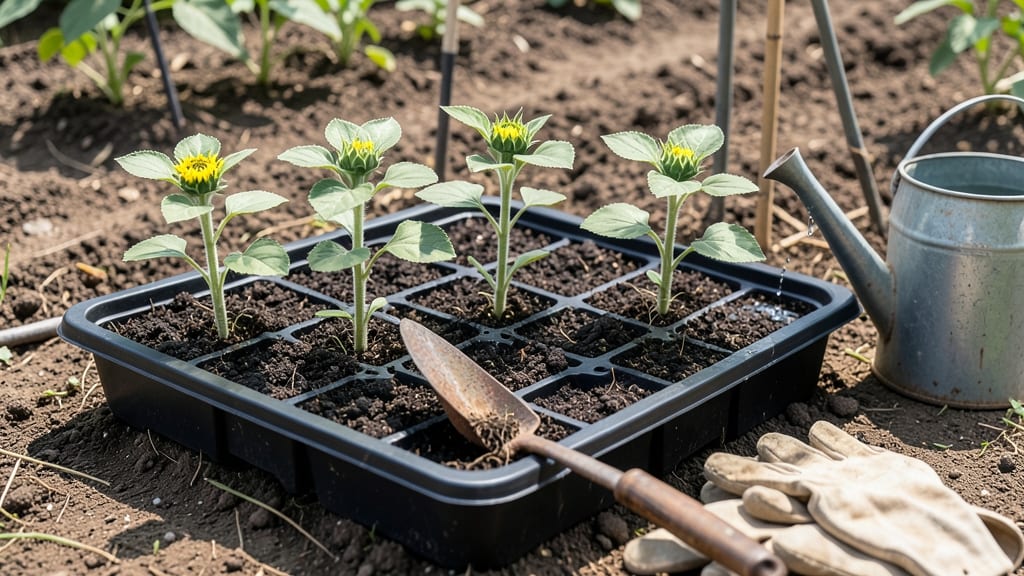
When to transplant sunflower seeds just right is the difference between a 12-foot giant and a struggling seedling. The key? Waiting until soil temperatures hit that sweet spot of 50-60°F—too early, and roots will freeze; too late, and your plants waste energy catching up.
I’ve learned the hard way that rushing sunflowers into the ground before the last frost can stunt their growth, leaving them vulnerable to disease.
But don’t wait too long either—these towering beauties need warmth to thrive, and the mid-spring to early summer window (April-June in Zone 6a) is your best bet for strong, resilient roots.
Whether you’re in a cooler climate or a warmer one, the rules are the same: check soil warmth, watch for those first true leaves, and avoid transplant shock.
I’ll walk you through exactly how to time it perfectly, so your sunflowers grow tall, healthy, and ready to bloom by summer.
Ready to grow sunflowers that reach their full potential? Let’s dive into the science—and simple steps—to get your seedlings in the ground at the perfect moment.


Optimal soil temperature triggers for sunflower seedling transplanting
Transplanting sunflower seedlings at the wrong time can leave them stunted or vulnerable to disease. The key to success lies in understanding soil temperature thresholds—specifically, when your soil consistently reaches 50-60°F.
This warmth triggers root development and prevents transplant shock, ensuring your sunflowers grow into those towering giants you love. Without proper soil warmth, seedlings struggle to establish themselves, leading to weak stems and poor flowering.
Sunflowers are warm-season plants, meaning they thrive when the ground has absorbed enough heat from spring sunlight. The minimum soil temperature for safe transplanting is 50°F, but ideal conditions occur at 60°F or higher.
Below 50°F, root growth slows dramatically, and seedlings may rot or fail to thrive. Testing your soil temperature is the best way to determine readiness—don’t guess based on air temperature alone, as they can differ significantly.
| Soil Temperature | Transplant Readiness | Regional Adjustments | Action Steps |
|---|---|---|---|
| Below 50°F | Not ready | Wait 1-2 weeks | Use row covers or cold frames |
| 50-55°F | Marginal | Zones 3-5: Wait for 60°F | Hardened seedlings only |
| 56-60°F | Ideal | Zones 6-10: Safe to transplant | Transplant in morning |
| Above 60°F | Optimal | All zones: Best growth | Water deeply post-transplant |
To test your soil temperature accurately, use a soil thermometer inserted 2-3 inches deep. Early morning readings (before 10 AM) are most reliable, as afternoon sun can artificially raise temperatures. In cooler climates like USDA Zones 3-5, aim for late May or early June when soil finally warms.
Meanwhile, gardeners in Zones 8-10 can transplant as early as March or April, depending on your microclimate.
Preparing your soil is just as critical as timing. Sunflowers prefer well-draining soil with a pH between 6.0-7.5. Amend heavy clay soils with compost or sand to improve aeration, and avoid transplanting into soggy ground.
A week before transplanting, loosen the soil to a depth of 12 inches to encourage root penetration. This preparation reduces stress and helps seedlings establish faster.
If your soil isn’t warm enough yet, consider using black plastic mulch or straw covers to absorb heat and speed up warming. These methods can raise soil temperatures by 5-10°F, allowing you to transplant earlier in the season.
Just remember to remove mulch once seedlings are established to prevent overheating. For container gardeners, use heat mats or transplant into larger pots filled with pre-warmed soil mix.
Transplanting too early can lead to transplant shock, where seedlings wilt or develop yellow leaves. Watch for signs like stunted growth or wilting within the first week—these indicate your soil wasn’t warm enough.
On the flip side, waiting too long risks overcrowding in seedling trays or attracting pests like cutworms. Balance is key: transplant when soil is warm, but before seedlings outgrow their containers.
For gardeners in early spring, consider starting seeds indoors under grow lights and transplanting once soil warms. This gives you a head start and ensures your sunflowers have enough time to mature before fall frost.
Use biodegradable pots to minimize root disturbance during transplanting. If you’re in a late spring region, prioritize fast-maturing varieties like 'Moulin Rouge' or 'Teddy Bear', which tolerate cooler soils better than giant varieties.
After transplanting, focus on consistent moisture and mulching to retain soil warmth. Water deeply at the base of the plant in the morning to reduce evaporation and fungal risks.
Avoid overhead watering, which can spread disease. Within 2-3 weeks, you should see new growth—a sign your seedlings have successfully adapted to their new home.
Remember, sunflowers are resilient, but giving them the right start with warm soil and proper care sets the stage for those show-stopping blooms you’re dreaming of. With the right timing, your sunflowers will reward you with vibrant colors and towering heights that brighten any garden. Happy planting! 🌻
Seasonal timing guide: when to transplant by US hardiness Zones
Transplanting sunflower seeds at the right time depends entirely on your USDA hardiness zone and local frost patterns. In Zones 3-5, where winters are harsh, you’ll need to wait until late May or early June to avoid frost damage.
Meanwhile, gardeners in Zones 8-10 can start transplanting as early as March, thanks to milder winters. The key is aligning your transplant date with your average last frost date—typically 2-3 weeks after that date for sunflowers.
I’ve found that using a soil thermometer is non-negotiable. Sunflowers won’t thrive if soil temperatures dip below 50°F—they need warmth to develop strong roots. In cooler zones, this might mean waiting until mid-June, while warmer zones can start in April.
Always check your local National Weather Service or agricultural extension office for precise frost dates, as they vary yearly.
Here’s a quick comparison to help you plan your transplant timing based on your zone:
If you’re unsure about your last frost date, I recommend using the Almanac’s Frost Calculator or checking historical data from your local cooperative extension service.
For example, in Zone 5, where I garden, I wait until after May 15th—even if the soil feels warm, a late frost can still sneak in. Pro tip: Harden off your seedlings for 7-10 days before transplanting to reduce shock.
Another critical factor is day length. Sunflowers need long days to thrive, so in northern zones, transplant after June 1st to ensure they get enough sunlight. In southern zones, you can start earlier, but avoid transplanting during extreme heat—aim for 60-75°F air temperatures.
I’ve seen sunflowers wilt quickly when transplanted in scorching conditions, so timing matters just as much as soil warmth.
Finally, don’t forget to space your seedlings properly—6 inches apart for dwarf varieties and up to 2 feet for standard sunflowers. This gives them room to grow without competing for nutrients.
Whether you’re in a cold climate or a warm one, the right timing ensures your sunflowers will reach their full 12-foot potential and bring joy to your garden all summer long.