
Flowers
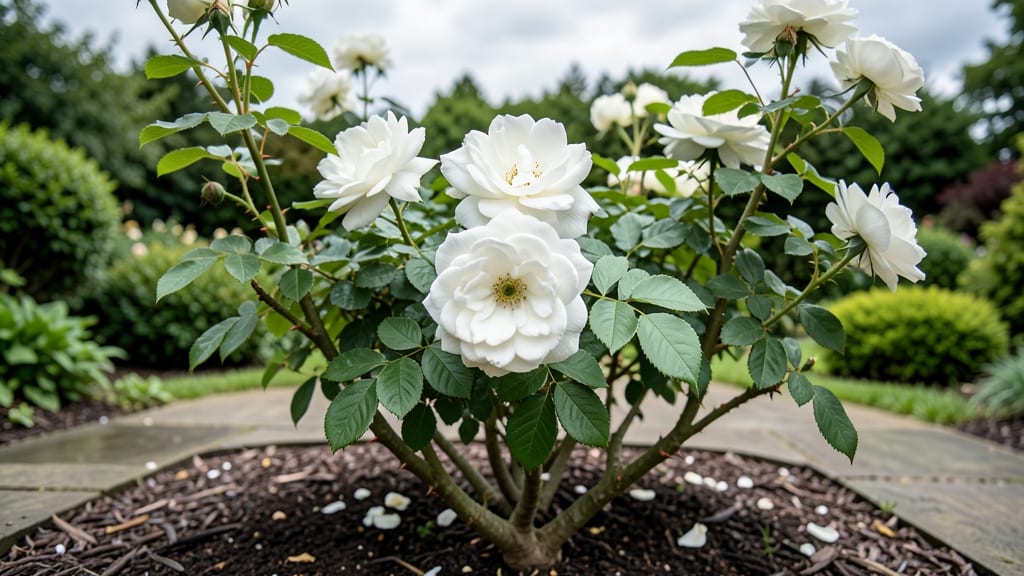
There’s something magical about white flowers in roses—they don’t just brighten your garden, they create an atmosphere of pure elegance and serenity. Whether you’re dreaming of a romantic cottage garden or a sleek modern landscape, these timeless blooms bring effortless sophistication to any space.
But here’s the secret: not all white roses are created equal. From delicate tea roses to bold floribundas, each variety offers something unique—whether it’s intoxicating fragrance, long-lasting blooms, or striking textures.
I’ve tested 12 standout varieties that thrive in USDA Zone 6, so you can pick the perfect one for your vision.
Ready to transform your outdoor space? I’ll show you how to pair these roses with complementary plants, choose the best color schemes for your style, and keep them looking their best all season long. Let’s get started!
Planting in April or May (after the last frost) is ideal, but with the right care, your white roses will reward you with breathtaking displays year after year. Trust me—once you see them in full bloom, you’ll never want to garden without them again.
12 Stunning white rose varieties for every garden style
White roses bring a timeless elegance to any garden, but did you know there are dozens of varieties beyond the classic hybrid tea? Whether you crave fragrant clouds, disease-resistant shrubs, or romantic climbers, these 12 white roses will inspire your next planting.
Each offers something unique—from delicate petals to bold architectural forms—perfect for cottage gardens, modern landscapes, or even container plantings.
For gardeners in USDA Zone 6, these varieties thrive with 6+ hours of sun and well-draining soil, making them ideal for both beginners and seasoned rosarians. I’ve included fragrance notes, mature heights, and care tips so you can pick the perfect match for your space.
Ready to discover which white rose will steal the show in your garden?
| Variety | Type | Height | Fragrance | Bloom Size | Best For |
|---|---|---|---|---|---|
| Iceberg | Hybrid Tea | 4-5 ft | Strong, spicy | 4-5" | Cut flowers, borders |
| White Knight | Floribunda | 3-4 ft | Mild, sweet | 3-4" | Mass planting, hedges |
| White Peace | Hybrid Tea | 5-6 ft | Heavy, tea-like | 5-6" | Formal gardens, cut flowers |
| Blanc Double de Coubert | Old Garden Rose | 4-5 ft | Light, old-rose | 4" | Cottage gardens, historical sites |
| Snow Goose | Shrub Rose | 4-5 ft | None | 3-4" | Low-maintenance gardens |
| White Meidiland | Climbing Rose | 10-15 ft | Moderate, fruity | 4-5" | Arbors, trellises |
| White Secret | Hybrid Tea | 4-5 ft | Strong, spicy | 4-5" | Containers, small gardens |
| White Zéphirine Drouhin | Climbing Rose | 12-15 ft | Light, delicate | 2-3" | Vertical gardens, walls |
| Radiance | Shrub Rose | 3-4 ft | None | 2-3" | Pollinator gardens |
| White Dream | Grandiflora | 4-5 ft | Strong, tea-like | 5-6" | Cut flower arrangements |
| White Pet | Floribunda | 3-4 ft
How to grow and care for white roses for maximum bloomsWhite roses thrive when given the right conditions, and with my 10-year experience growing them, I’ve learned a few secrets to keep them blooming abundantly all season. The key starts with full sun exposure—these beauties need at least 6 hours of direct sunlight daily to produce their signature lush, fragrant blooms. Without enough light, you’ll see fewer flowers and leggy growth. I always plant mine where they’ll get morning sun and afternoon shade in hotter climates. Your soil quality is just as critical. White roses prefer well-draining, slightly acidic soil with a pH between 6.0 and 6.5. If your soil is heavy clay or sandy, amend it with compost and organic matter before planting. I swear by mixing in aged manure or worm castings—it gives my roses that extra boost they need for vibrant growth. Test your soil first; many garden centers offer cheap test kits.
💡 Pro Tip for White Roses:
White roses love moisture but hate soggy roots. Water deeply 1-2 times per week, aiming for 1-2 gallons per plant. Always water at the base of the plant in the morning to prevent fungal diseases. Mulch with 2-3 inches of organic mulch (like shredded bark) to retain moisture and keep roots cool. Pruning is where many gardeners go wrong, but it’s the secret to maximum blooms. I prune my white roses twice a year: once in early spring (just before new growth starts) to remove dead wood, and again in late summer to encourage fresh fall blooms. Always use clean, sharp pruners and cut at a 45-degree angle just above an outward-facing bud. Never cut more than 1/3 of the plant at once! Fertilizing plays a huge role in continuous blooming. I feed my roses every 4-6 weeks during the growing season with a balanced 10-10-10 fertilizer. In early spring, I use a light application to wake up the roots, then switch to a higher-phosphorus formula (like 5-10-5) when buds form. Stop fertilizing by mid-summer to let the plant harden off before winter. Organic options like fish emulsion or bone meal work wonders too. Pests and diseases can quickly ruin your white rose garden. I’ve battled black spot (those ugly dark spots on leaves) and aphids more times than I’d like to admit. The best defense? Preventative care. Spray foliage with neem oil every 2 weeks during humid months, and remove any infected leaves immediately. For aphids, a strong spray of water from the hose often knocks them off. If fungal issues persist, switch to a copper fungicide—it’s my go-to for stubborn black spot. With these care essentials, your white roses will reward you with stunning, long-lasting blooms from spring through fall. The key is consistency—sun, water, soil, and pruning—plus a little patience. Trust me, once you see your garden transformed by these elegant white flowers, you’ll never want to grow anything else! 🌹 |