
Flowers
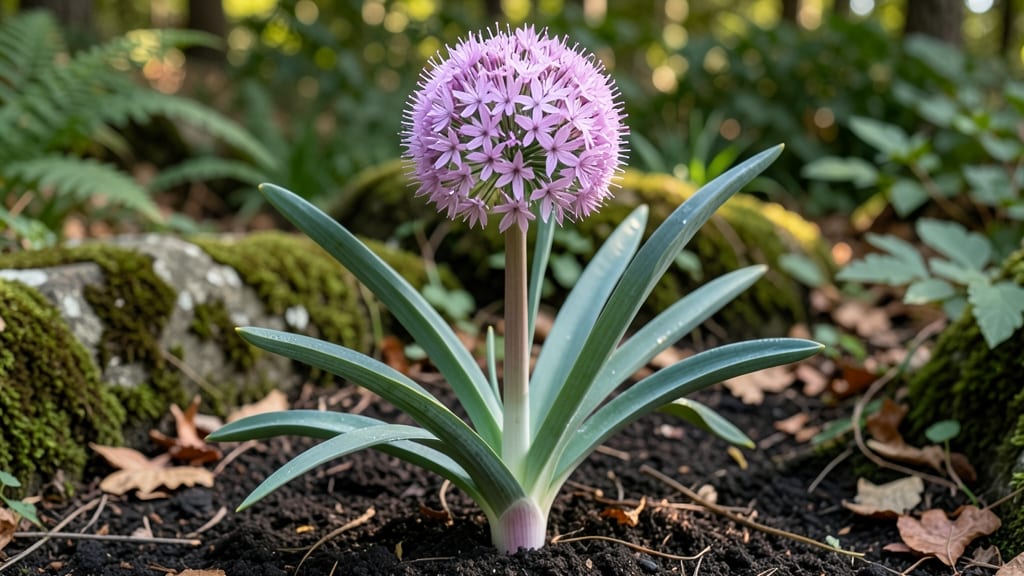
If you’ve ever wandered through a spring forest and spotted delicate purple globes nodding among the ferns, you might’ve glimpsed wild leek flowers 🌿—nature’s hidden gem for both gardeners and foragers alike.
These striking blooms aren’t just a feast for the eyes; they’re a culinary treasure with a mild, garlicky flavor that elevates everything from salads to teas. But here’s the catch: their beauty and edibility make them a standout choice for pollinator-friendly gardens and woodland landscapes.
Whether you’re designing a native garden or simply want to add a touch of wild elegance, wild leek flowers bring texture, color, and ecological benefits—plus, they thrive in partial shade, making them perfect for understory planting.
Let’s explore how to incorporate these versatile blooms into your garden while celebrating their role in supporting local ecosystems. Ready to transform your outdoor space into a haven for both beauty and biodiversity?
How to identify and harvest wild leek flowers safely
Wild leek flowers (Allium tricoccum), also called ramps, emerge in late April to May with their distinctive purple globes that add a touch of woodland magic to gardens and forests 🌳.
These blooms aren’t just beautiful—they’re edible, with a mild garlic-onion flavor that makes them a prized ingredient for foragers and gardeners alike.
Before you harvest, though, it’s critical to distinguish them from toxic look-alikes like death camas or wild onion. A single misidentification can ruin your meal—or worse. Let’s break down the key visual markers and harvesting best practices to ensure you bring home safe, flavorful blooms every time.
⚠️ Warning: Toxic Doubles
Never harvest wild leek flowers without confirming these three critical traits:
- Two long, flat leaves (wild leeks have 1-2 broad, smooth leaves per stem).
- Purple, spherical flower clusters (not white or star-shaped like poisonous lilies).
- No white sap (death camas has a milky sap; wild leeks are juice-free).
When in doubt, throw it out! Cross-check with a field guide or local foraging group before consuming.
The best time to harvest wild leek flowers is when 50-75% of blooms have opened but before they fully mature. This ensures maximum flavor and prevents the bulbs from becoming woody or bitter.
Aim for morning harvests after dew has evaporated but before the sun intensifies—this preserves moisture and freshness.
Use a clean, sharp knife or scissors to snip the flower stalks at the base, leaving at least 2-3 inches of stem attached. This encourages future regrowth and protects the plant’s energy for next year’s blooms. Avoid pulling entire plants, as their bulbs are slow to regenerate.
For sustainable foraging, follow the “leave no trace” rule: harvest from abundant patches, never take more than 10-15% of flowers from a single plant, and avoid protected or endangered areas. Wild leeks are slow-growing perennials, so their populations need time to recover 🌱.
Once harvested, store wild leek flowers in a paper towel-lined container in the fridge for up to 5 days. For longer storage, blanch and freeze them like you would green onions. Their flavor intensifies slightly when cooked, making them perfect for stir-fries, soups, or infused oils.
Pro tip: Pair wild leek flowers with companion plants like ferns, trillium, or wild ginger in your garden. These shade-loving plants create a natural woodland understory while supporting pollinators like bees and butterflies that adore the flowers’ nectar.
If you’re new to foraging, start small: harvest a single plant and do a taste test with a trusted expert. Wild leek flowers are a rewarding addition to any garden, but their safety depends on your attention to detail and respect for nature’s balance.
Ready to transform your garden into a pollinator paradise? Plant wild leek bulbs in partial shade this fall, and in just a few years, you’ll have a self-sustaining edible landscape that thrives with minimal effort ☀️.
Nutritional benefits and culinary uses of wild leek flowers
Beyond their stunning purple blooms, wild leek flowers pack a nutritional powerhouse that rivals their edible leaves. These delicate flowers are rich in vitamin C, vitamin K, and manganese, while their allicin compounds provide antioxidant and anti-inflammatory benefits—perfect for boosting immunity and supporting heart health 🌿.
Traditionally used in Appalachian and Native American cuisine, these flowers add a mild garlic-onion flavor that brightens dishes without overpowering. Their high fiber content also aids digestion, making them a superfood for foragers and gardeners alike.
🌱 Key Nutritional Highlights
- Vitamin C: Boosts immunity, skin health
- Vitamin K: Supports bone strength, blood clotting
- Manganese: Aids metabolism, wound healing
- Antioxidants: Fights oxidative stress, reduces inflammation
- Fiber: Promotes gut health, digestion
🍽️ Top Culinary Uses
- Salad garnishes: Adds color and garlicky crunch
- Infused oils: Preserves flavor for dressings
- Tea blends: Dried flowers make fragrant herbal tea
- Stir-fries: Quick-cook with spring vegetables
- Pickled flowers: Tangy-sweet preservation method
For maximum flavor, harvest flowers when half-open and use them fresh within 3-5 days. To preserve their aromatic oils, store in a paper bag in the fridge or freeze whole in ice cube trays with water for easy cooking.
In traditional foraging, these flowers were often dried and stored for winter use, either as tea blends or flavor enhancers in stews. Modern gardeners can recreate this by hanging small bunches upside-down in a dark, dry place until crisp before crushing into powders or teas.
Pair wild leek flowers with complementary plants like chives, garlic chives, or wild garlic in your garden. Their similar flavors create a harmonious edible border that attracts pollinators while providing continuous harvests throughout the growing season ☀️.
Whether you're a foraging enthusiast or a garden designer, wild leek flowers offer a unique blend of beauty and utility. Their dual role as both a pollinator magnet and a culinary ingredient makes them an invaluable addition to any garden ecosystem.