
Flowers
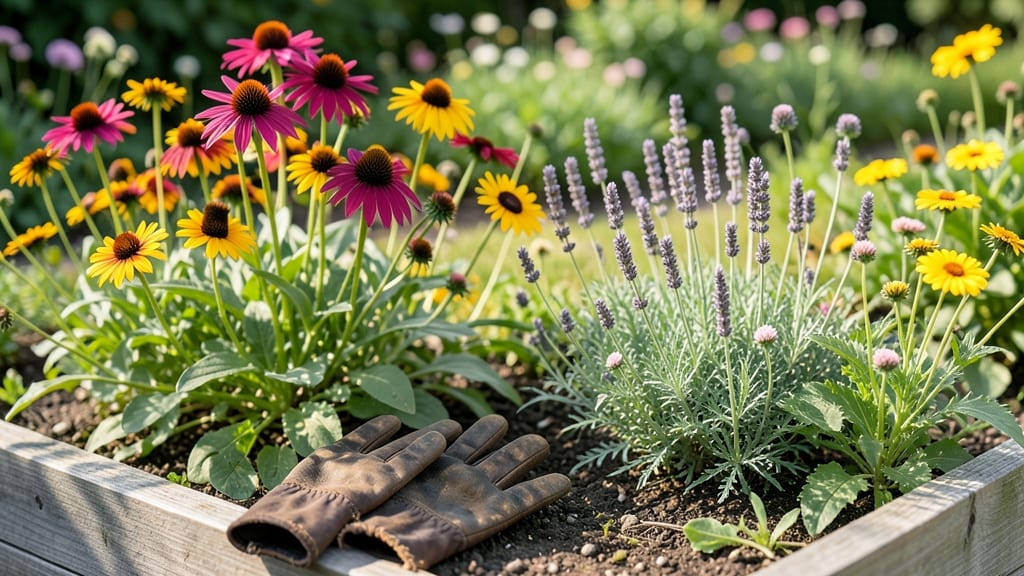
Best pollinator-friendly wildflower meadow flowers by season
A wildflower meadow bursting with color isn't just beautiful—it's a lifeline for bees, butterflies, and hummingbirds. The key to a thriving meadow lies in selecting seasonal wildflowers that provide continuous blooms from spring to fall.
By choosing the right varieties for each season, you ensure your garden remains a pollinator paradise year-round. Let's explore the best flowers for every season and how to plant them for maximum impact.
Spring kicks off the blooming season with delicate early wildflowers that brave cool temperatures. Summer takes center stage with bold, sun-loving varieties that attract flocks of pollinators. Fall offers late-season blooms that sustain insects before winter arrives.
Each season brings unique wildflower options tailored to thrive in their respective climates, ensuring your meadow stays vibrant and productive.
To create a seamless transition between seasons, I recommend blending perennial wildflowers with a few annuals. Perennials like black-eyed Susan and coneflower return year after year, while annuals such as cosmos and zinnia fill gaps and provide instant color.
This combination guarantees your meadow never looks bare and always supports local wildlife.
| Season | Wildflower Variety | Bloom Time | Sunlight Needs | Planting Tip |
|---|---|---|---|---|
| Early Spring | Virginia Bluebells | March–April | Partial shade | Scatter seeds in fall or early spring. |
| Late Spring | Bee Balm | May–June | Full sun | Plant in moist, well-draining soil. |
| Summer | Black-Eyed Susan | June–August | Full sun | Direct sow after last frost. |
| Summer | Coneflower | July–September | Full sun | Divide clumps every 3–4 years. |
| Late Summer | Goldenrod | August–October | Full sun | Tolerates poor soil; great for borders. |
| Fall | Aster | September–November | Full sun to partial shade | Deadhead spent blooms for prolonged flowers. |
| Fall | Joe Pye Weed | August–October | Full sun to partial shade | Plant in moist, rich soil for best results. |
For spring blooms, Virginia bluebells and wild columbine are my top picks. These flowers thrive in cooler temperatures and provide early nectar for bees emerging from winter. Plant them in partial shade to protect them from harsh afternoon sun.
A light layer of mulch helps retain moisture and regulate soil temperature, giving these delicate blooms the best start.
As temperatures rise, summer wildflowers like black-eyed Susan and coneflower take over. These hardy perennials love full sun and well-draining soil. I recommend planting them in clusters to create bold focal points in your meadow.
Their vibrant colors attract butterflies and bees, making your garden a buzzing hub of activity during the hottest months.
Don’t overlook late-season wildflowers like asters and Joe Pye weed, which bloom as summer winds down. These varieties provide critical food sources for pollinators preparing for winter. Their tall stems also add vertical interest to your meadow, creating a layered look that’s both functional and beautiful.
Plant them toward the back of your meadow to let their height shine.
When selecting wildflower seeds, opt for a mix of native species whenever possible. Native plants have evolved alongside local pollinators, making them the most effective choice for supporting biodiversity.
For example, purple coneflower is a favorite among bees and butterflies, while goldenrod is a late-season staple that thrives in poor soil conditions. Always check seed packets for regional suitability to ensure your meadow flourishes.
To maintain your meadow, I suggest minimal intervention once established. Mow back spent blooms in late fall or early spring to encourage new growth, but avoid cutting too short—this can harm returning perennials.
Water deeply but infrequently, especially during the first growing season, to help roots establish. Once mature, most wildflowers are drought-tolerant, making them perfect for low-maintenance gardens.
For extra impact, consider adding wildflower borders around your meadow. Plant fast
How to design a low-maintenance wildflower meadow for maximum impact
A wildflower meadow transforms any yard into a vibrant, pollinator-friendly haven with minimal effort. The key is selecting native wildflower meadow flowers that thrive in your climate while requiring little water and no fertilizers.
Start by choosing a sunny spot—6+ hours of sunlight ensures robust blooms and self-sustaining growth. Native species like black-eyed Susan and purple coneflower attract bees and butterflies while resisting local pests and drought.
Designing your meadow begins with soil preparation. Test your soil’s pH—most wildflowers prefer neutral to slightly acidic soil (pH 6.0–7.0). If your soil is heavy clay, mix in compost or sand to improve drainage.
Avoid tilling, as wildflowers thrive in undisturbed, natural soil layers. A light raking to break up clumps is all you need before sowing seeds.
- 1 Choose native seeds: Select region-specific wildflower meadow flowers like coreopsis or lupine for guaranteed success. Native plants support local ecosystems and require zero pesticides.
- 2 Scatter seeds thinly: Broadcast seeds evenly in late summer or early fall for best germination. Lightly press seeds into soil or leave exposed—sunlight aids germination for many species.
- 3 Mulch lightly: Use straw or leaves (1–2 inches) to retain moisture and suppress weeds. Avoid thick mulch, which can smother emerging seedlings.
- 4 Water deeply but infrequently: Water once weekly for the first month, then reduce to bi-weekly. Once established, wildflowers need no extra water—rainfall suffices.
- 5 Let nature take over: Avoid mowing until late fall to allow seeds to disperse. Cut back once yearly to remove dead foliage and encourage new growth.
After sowing, resist the urge to over-tend your meadow. Wildflowers thrive with zero fertilizers and minimal intervention. In the first year, you’ll see sparse blooms, but by year two, your meadow will burst with color and life.
Group taller flowers like sunflowers at the back and shorter varieties like wild bergamot in the front for a layered look.
For maximum impact, incorporate a mix of biennials and perennials. Biennials like foxglove bloom the first year, while perennials like goldenrod return yearly. This ensures continuous blooms from spring to frost. Add a few grasses like switchgrass for texture and to prevent soil erosion.
Your low-maintenance wildflower meadow will soon become a pollinator paradise. With the right wildflower meadow flowers and a hands-off approach, you’ll enjoy year-round beauty while supporting local wildlife—all with less work than a traditional lawn! 🌼🐝🌻