
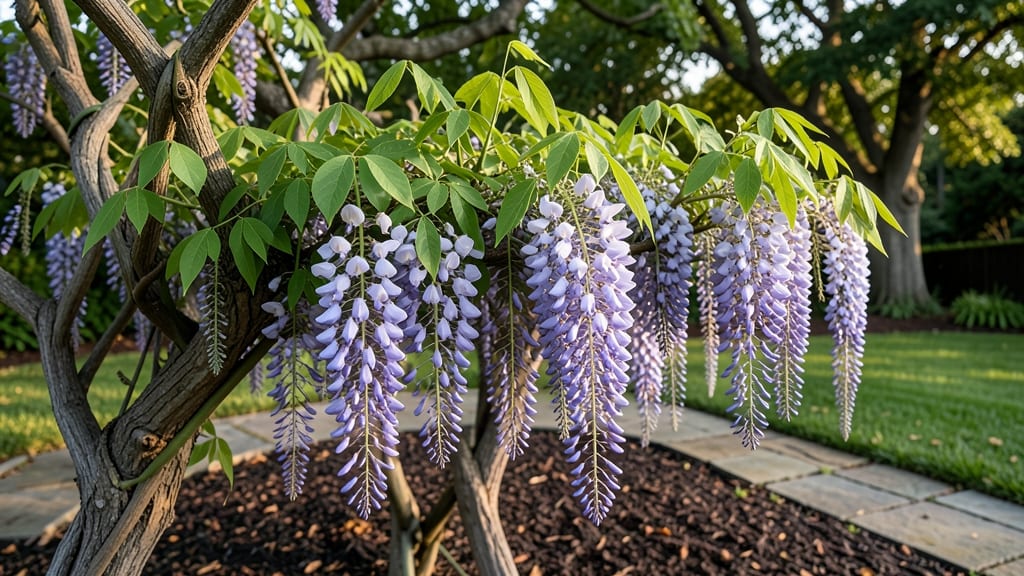
Wisteria Flower Time: Fragrance Peaks & Pruning Calendar by Variety

Flowers

Wisteria Flower Time: Fragrance Peaks & Pruning Calendar by Variety

Timing your wisteria flower time 🌸 just right means the difference between a garden bursting with fragrant purple cascades and a year of waiting for that sweet, heady perfume to return.

Most varieties bloom between late spring and early summer, but getting the exact window depends on your climate and the specific type you’re growing.

If you’ve ever pruned your wisteria only to wonder why the blooms never arrived—or worse, why they vanished after just one season—you’re not alone. The key lies in understanding how to align pruning with your plant’s natural cycle.

For example, in USDA Zone 6a, the ideal window to plant wisteria is March to April, setting the stage for blooms to appear in May or June.

What most gardeners miss is that wisteria flowers form on old wood, not new growth. That means aggressive summer pruning can accidentally remove next year’s blooms before they even appear. I’ll show you exactly when to cut back—and when to hold off—to guarantee a full, fragrant display every season.

From choosing the right variety for your region to adjusting your pruning calendar, this guide will help you transform your wisteria from a hit-or-miss bloomer into a reliable, show-stopping centerpiece. Let’s get those flowers on schedule!

When do wisteria flowers bloom by variety (fragrance & color guide)

Wisteria’s bloom timing varies dramatically by variety, with some bursting into fragrant purple clusters in early spring while others wait until late summer. Understanding these differences helps you plan pruning and enjoy peak fragrance when it matters most.

In USDA zones 5-9, bloom windows shift by 2-4 weeks depending on your region and the specific cultivar.

Most wisterias flower on old wood, meaning last year’s growth produces this year’s blooms. This makes pruning timing critical—cut too late, and you risk removing next year’s flowers.

Below, I’ve organized 10 popular varieties by their typical bloom periods, fragrance intensity, and color variations to help you choose the perfect wisteria for your garden’s aesthetic and climate.

Variety Bloom Time (USDA 5-9) Fragrance Intensity Color Notes
Amethyst Falls Late May - June Very Strong Purple Dwarf variety, great for containers
Black Dragon June - July Moderate Dark Purple-Black Late bloomer, dramatic color
Blue Moon April - May Strong Lavender Early bloomer, cold-hardy
Domino May - June Very Strong White Fragrant, fast-growing
Empress Wu May - June Strong Purple Classic choice, vigorous
Jako June - July Very Strong Purple Japanese variety, long blooms
Prolific April - May Moderate Lavender Early, prolific blooms
Royal Purple May - June Strong Purple Hardy, reliable bloomer
Shiro-Noda May - June Very Strong White Japanese, highly fragrant
Twister

Pruning wisteria for perfect flower time: month-by-month calendar

Your wisteria’s flower time depends entirely on when—and how—you prune. Since blooms form on old wood, cutting too late or too aggressively can leave you with bare branches next season.

The key is a month-by-month pruning calendar tailored to your climate zone, ensuring those fragrant clusters appear right on schedule.

For USDA Zone 6a, the ideal bloom window is late May through June, but this shifts slightly in warmer zones. If your wisteria blooms in April, you’re likely in Zone 8 or higher.

The secret? Start pruning in late winter to shape the vine while it’s still dormant, then fine-tune in early summer to encourage new growth without sacrificing next year’s flowers.

Here’s where most gardeners go wrong: they prune after flowering when the vine is lush with new growth, accidentally removing next year’s buds. Instead, think of pruning as a two-step dance—first to shape, then to maintain. Let’s break it down by month so you never miss a beat.

⚠️ WARNING: Avoid These Pruning Pitfalls ⚠️

⚠️ Critical Mistake: Pruning after June 15th removes next year’s flower buds, which form on old wood. In USDA Zones 5-7, this means stopping pruning by mid-July to protect blooms.

⚠️ Common Error: Cutting back more than 1/3 of the vine in a single session can stress the plant and delay flowering. Spread pruning over 2-3 sessions for best results.

⚠️ Zone-Specific Risk: In Zone 9+, wisteria may bloom twice a year. Prune lightly after the first flush (April-May) to encourage a second bloom in fall, but avoid heavy cuts.

In February, while the vine is still dormant, remove any dead or crossing branches to improve airflow. This is also the time to shape the vine’s structure, focusing on removing branches that grow inward or rub against each other.

Use sterilized pruners to prevent disease, and make cuts just above a leaf bud facing outward.

By March, buds should begin to swell—this is your cue to lightly trim any overly long stems that grew the previous season. Avoid heavy pruning now, as new growth hasn’t yet hardened off.

Instead, focus on balancing the vine’s shape and removing any weak or spindly branches. This month is all about preparing for bloom, not aggressive shaping.

Once flowers appear in May or June, shift to maintenance pruning. After the blooms fade, trim back spent flower clusters but leave the stems intact—they’ll carry next year’s buds. In July and August, remove any suckers or aggressive new growth that could overwhelm the vine’s energy.

This keeps the plant focused on root and bud development for next season’s display.

As temperatures drop in September, reduce watering and stop all pruning. Let the vine enter dormancy naturally, as late cuts can stimulate new growth that won’t harden before winter.

In October and November, apply a 2-3 inch layer of mulch around the base to protect roots and prepare for next year’s flower time calendar.

★★★★★4.8(14 reviews)
Categories Flowers