
Flowers
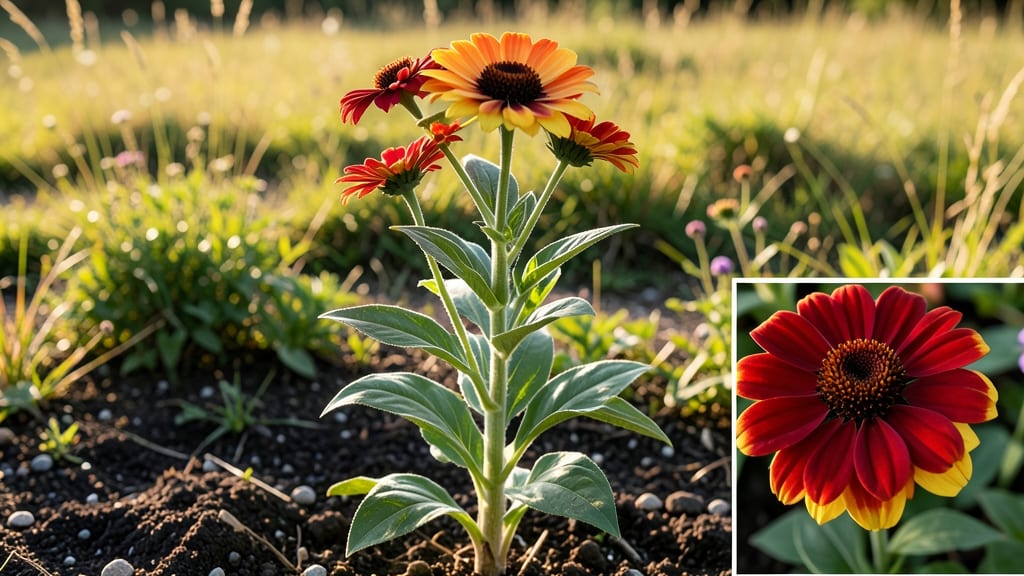
Wondering why your zinnia flower height seems to grow like wildfire—some barely reaching your knees while others shoot up like skyscrapers? The secret lies in their height potential, which can swing wildly depending on the variety and care you give them.
From 6-inch dwarfs perfect for containers to 4-foot giants that dominate borders, zinnias offer a stunning range of heights. But how do you pick the right one for your space?
Or better yet, how can you control their growth naturally? I’ll break down everything you need to know—from variety selection to pruning tricks—to get the perfect zinnias for your garden.
Whether you’re dreaming of neat rows of compact blooms or dramatic cut-flower stalks, understanding zinnia height is the key to a showstopping display. Let’s dive into the varieties, the science behind their growth, and the simple steps to shape them just the way you want.
Ready to turn your garden into a zinnia height masterpiece? You’ll learn which types thrive in tight spaces, how sunlight and soil play a role, and even how to encourage (or rein in) their vertical ambitions—without chemicals. Let’s get growing!

Zinnia flower height variations: from dwarf to giant types
Choosing the right zinnia flower height can transform your garden from cluttered to stunning. Whether you have a tiny balcony or a sprawling backyard, zinnias offer height variations that fit every space.
From dwarf zinnias perfect for containers to giant zinnias that command attention in borders, understanding these categories helps you plan with precision.
Zinnia heights typically fall into three distinct categories: dwarf (6-12 inches), medium (1-2 feet), and tall (2-4 feet). Each category has unique growth habits, flowering patterns, and ideal planting scenarios.
Let’s explore the best varieties for each height range and how to maximize their potential in your garden layout.
Why height matters isn’t just about aesthetics—it also affects sunlight exposure, air circulation, and even pest resistance. Taller varieties need staking or spacing to avoid flopping, while dwarfs thrive in crowded containers. Here’s how to match your garden’s needs with the perfect zinnia height.
Dwarf zinnias like 'Thumbelina' are my go-to for small spaces. These compact varieties bloom profusely in 6-inch pots or window boxes, making them ideal for urban gardens. Their short stature also means they rarely need staking, saving you time and effort. Plant them in groups of 3–5 for a lush, colorful display that attracts butterflies and bees.
For medium-height zinnias, varieties like 'Profusion' strike the perfect balance. They reach 1–2 feet tall, making them versatile for cut flower arrangements or as filler in mixed borders.
These zinnias often produce double blooms, adding texture and volume to your garden. Space them 12–18 inches apart to ensure good airflow and reduce disease risk.
If you’re dreaming of dramatic focal points, tall zinnias like 'Benary’s Giant' deliver. These 4-foot giants create stunning vertical interest and are perfect for cut flower bouquets.
However, their height requires support structures like stakes or cages. Plant them in clusters at the back of borders or along fences to maximize their impact.
One key factor influencing zinnia height is sunlight exposure. All varieties thrive in full sun (6+ hours daily), but tall zinnias may lean or flop without adequate light.
If your garden has partial shade, opt for medium or dwarf varieties, which tolerate slightly less sun while still producing vibrant blooms.
Soil quality also plays a role. Well-draining, fertile soil encourages strong stems and larger blooms, especially in taller varieties. Amend heavy clay soil with compost or sand to prevent root rot. For container-grown zinnias, use a lightweight potting mix with perlite to keep roots aerated.
Pro tip: Deadheading (removing spent blooms) promotes continuous flowering and can slightly reduce height in leggy varieties. Pinch back tall zinnias early in the season to encourage bushier growth and prevent them from toppling over.
This technique works wonders for varieties like 'State Fair', which can grow 3–4 feet tall without guidance.
Whether you’re a beginner gardener or a seasoned pro, choosing the right zinnia height ensures your garden stays organized, vibrant, and full of life. Experiment with different varieties to find the perfect fit for your space—your future bouquets will thank you! 🌼
How to control zinnia height naturally without chemicals
If your zinnias are growing taller than your vision for the garden, don’t worry—you don’t need chemical growth regulators to manage their height. With the right techniques, you can naturally encourage compact growth or keep tall varieties in check.
The secret lies in understanding how pruning, spacing, and soil conditions influence their vertical ambitions.
For example, 'Benary’s Giant' zinnias can reach 4 feet tall, while 'Thumbelina' varieties stay under 12 inches. The difference? It’s all about timing, technique, and a little garden magic. Let’s explore how to shape your zinnias without harsh interventions.
- 🌿 Prune early to encourage bushier, shorter growth—cut back 1/3 of stems when plants are 6 inches tall.
- 🌱 Space plants 6-12 inches apart for dwarfs, 12-18 inches for medium, and 18+ inches for tall varieties.
- ✂️ Deadhead regularly to redirect energy to side shoots instead of vertical growth.
- 💧 Water deeply but less frequently to prevent leggy, tall stems—zinnias thrive with moderate moisture.
- 🌳 Amend soil with compost to improve nutrient balance, which naturally reduces excessive height.
One of my favorite tricks is pinching back young zinnias when they’re just a few inches tall. By removing the top set of leaves, you force the plant to branch out, creating a fuller, shorter bush.
This method works especially well for tall varieties like 'State Fair' or 'Profusion,' which can easily become top-heavy without guidance.
Another game-changer is proper spacing. Crowding zinnias forces them to compete for sunlight and nutrients, resulting in shorter, stockier plants. For instance, plant 'Thumbelina Mix' just 6 inches apart in containers, while giving 'Benary’s Giant' at least 18 inches of space in the garden bed.
This simple adjustment can make a huge difference in their mature height.
Don’t overlook the power of soil amendments. Zinnias grown in nutrient-rich, well-draining soil tend to stay more compact. Mix in compost or a balanced organic fertilizer at planting time to encourage strong root development, which naturally supports a shorter, sturdier plant structure.
Avoid heavy nitrogen, though—it promotes leafy growth over flowers and can make stems leggy.
Finally, consistent deadheading isn’t just about prolonging blooms—it’s a way to control height. When you remove spent flowers, you prevent the plant from sending energy upward, instead encouraging side shoots that fill out the plant horizontally. This keeps your zinnias bushier and shorter, perfect for borders or containers.
With these natural methods, you’ll have zinnias that fit your garden vision—whether you’re aiming for neat rows of dwarfs or sturdy stalks for cutting. The best part? No chemicals needed—just smart gardening and a little patience. Your garden (and your zinnias) will thank you!