
Flowers
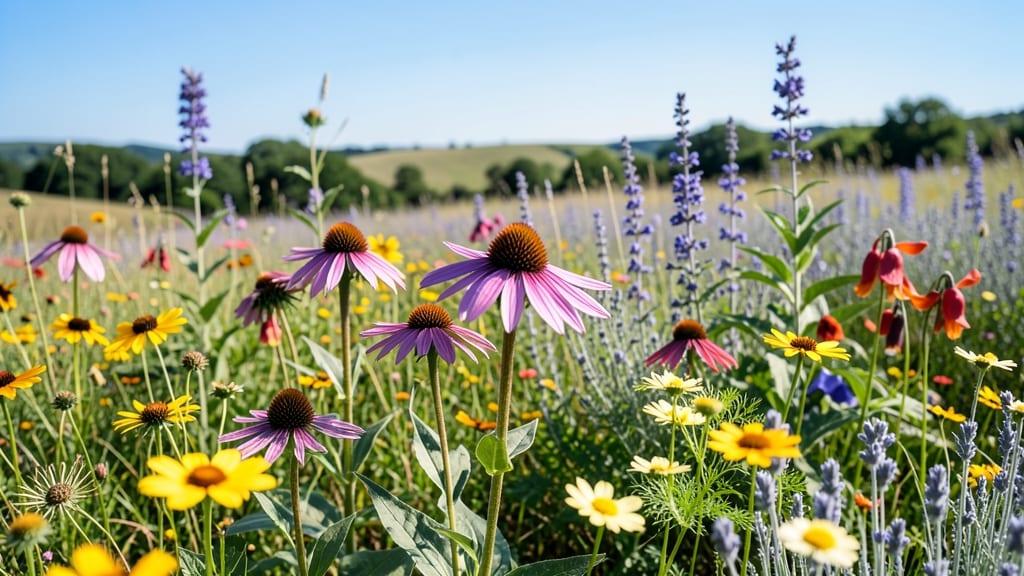
Are wildflowers annuals or perennials?—that’s the question every gardener asks when dreaming of a vibrant, low-maintenance garden. These unsung heroes burst with color, but their lifespan can leave beginners confused. Are they annuals that fade after one season or perennials that return year after year? The answer isn’t one-size-fits-all, and getting it right could mean the difference between a one-time splash of color and a garden that thrives for decades.
Think of annual wildflowers like cosmos or zinnias—they grow, bloom, and set seed all in a single season, then vanish. But perennials like coneflowers or black-eyed Susans?
They’ll come back stronger every spring, often with even more vibrant blooms. Knowing which is which helps you plan for long-term beauty without the guesswork.
This isn’t just about aesthetics, though. Annuals give you instant color and fill gaps, while perennials build a self-sustaining ecosystem that attracts pollinators.
I’ll break down the key differences, share top varieties for each type, and show you how to mix them for a garden that stays stunning from spring to fall.
Ready to stop wondering and start planting with confidence? Let’s dive into the life cycles that will change how you design your wildflower haven.
Annual vs. perennial wildflowers: key differences in growth cycles
Understanding whether wildflowers are annuals or perennials is essential for planning a vibrant garden. Annuals complete their lifecycle in one growing season, while perennials return year after year with proper care. This distinction impacts everything from planting schedules to long-term design.
Annual wildflowers like cosmos and marigolds grow quickly, bloom profusely, and die off when frost arrives. Perennials such as black-eyed Susans and coneflowers establish deep roots and regrow each spring, offering multi-season interest. Let’s explore these differences in detail to help you choose the right wildflowers for your garden.
| Characteristic | Annual Wildflowers | Perennial Wildflowers |
|---|---|---|
| Lifespan | Complete lifecycle in one season | Return year after year (3+ years) |
| Growth Habit | Fast-growing, short-lived blooms | Slow establishment, long-term blooms |
| Planting Strategy | Replant annually for continuous color | Plant once, establish roots, then enjoy yearly returns |
| Seasonal Interest | Seasonal bursts (spring/summer) | Multi-season (spring-fall, some winter interest) |
| Examples | Cosmos, Zinnias, Sunflowers | Black-eyed Susan, Coneflowers, Purple Coneflower |
| Maintenance | Low (self-seeds easily) | Moderate (deadheading, division) |
| Best For | Quick color, cut flowers, pollinators | Low-maintenance gardens, long-term beauty, wildlife support |
Annual wildflowers thrive on quick germination and rapid blooming, making them perfect for filling gaps or creating instant color. Their seeds often self-sow, ensuring new plants appear without replanting. This makes annuals ideal for cut flower gardens or areas needing seasonal transformation.
Perennial wildflowers, however, invest energy in deep root systems during their first year. This establishment phase means slower initial growth but rewards gardeners with years of blooms. Perennials like purple coneflower also attract pollinators consistently, supporting local ecosystems.
For gardeners in USDA Zone 6a, timing matters. Plant annuals like cosmos after the last frost (mid-April) for summer-long color. Perennials should go in the ground by early fall (September-October) to establish roots before winter. This timing ensures both types thrive in your climate.
One common misconception is that all wildflowers are perennials. In reality, 60% of common wildflowers are annuals, while perennials like black-eyed Susan offer lasting value. Mixing both creates dynamic gardens—annuals for immediate impact and perennials for structure and longevity.
Consider your garden’s goals when choosing. Need fast color? Annuals deliver. Want low-maintenance beauty? Perennials win. For me, a combination of both—like zinnias (annual) paired with bee balm (perennial)
Remember that some wildflowers, like foxglove, are biennials, completing their lifecycle in two years. While not as common, they add another layer to your planting strategy. Always check seed packets for specific lifecycle details to avoid surprises. Finally, think about pollinator support. Both annuals and perennials attract bees and butterflies, but perennials provide continuous nectar sources. Planting a mix ensures your garden remains a haven for wildlife throughout the growing season. 🌼
Top 5 wildflower varieties by life cycle and best growing conditions
Now that you understand the difference between annual and perennial wildflowers, let’s explore five standout varieties that will transform your garden. These selections offer the perfect mix of seasonal impact and long-term beauty, tailored to thrive in USDA Zone 6a conditions.
Whether you’re aiming for instant color or low-maintenance blooms, these wildflowers deliver.
For a quick burst of color, cosmos (annual) and black-eyed Susan (perennial) are my top picks. Cosmos blooms within weeks of planting, while black-eyed Susan establishes roots in its first year and rewards you with years of golden-yellow flowers.
Both thrive in full sun and well-draining soil, making them ideal for beginners.
| Variety | Life Cycle | Sunlight Needs | Soil Preference | Planting Time |
|---|---|---|---|---|
| Cosmos | Annual | Full sun (6+ hours) | Well-draining, average soil | After last frost (mid-April) |
| Black-eyed Susan | Perennial | Full sun to partial shade | Adaptable, tolerates clay | Early fall (September) |
| Coneflower | Perennial | Full sun (6+ hours) | Well-draining, slightly dry | Early spring or fall |
| Zinnias | Annual | Full sun (6+ hours) | Well-draining, fertile soil | After last frost (mid-April) |
| Bee Balm | Perennial | Partial shade to full sun | Moist, well-draining soil | Early spring |
If you love cut flowers, zinnias are a must-have annual. They bloom in vibrant colors and last beautifully in arrangements. For a pollinator-friendly garden, coneflowers (perennial) attract bees and butterflies all season long. Their deep purple blooms also add striking contrast to your landscape.
For shadier spots, bee balm (perennial) thrives with partial shade and moist soil. Its tubular flowers are a favorite among hummingbirds. Plant it near a patio or deck to enjoy its sweet fragrance up close.
Meanwhile, cosmos and zinnias both self-seed easily, ensuring your garden stays colorful year after year with minimal effort.
When planting, remember that annuals like cosmos and zinnias need to be replanted each spring, while perennials like coneflowers and bee balm establish themselves in their first year. This means you’ll spend less time replanting and more time enjoying your garden’s natural beauty.
For best results, mulch around perennials in early spring to retain moisture and suppress weeds.
Pro tip: Pair annuals with perennials for a garden that blooms from spring to fall. For example, plant cosmos (annual) alongside black-eyed Susan (perennial) to create a seamless transition of color. Annuals provide instant gratification, while perennials ensure your garden remains stunning for years to come.
🌻