
Blooming
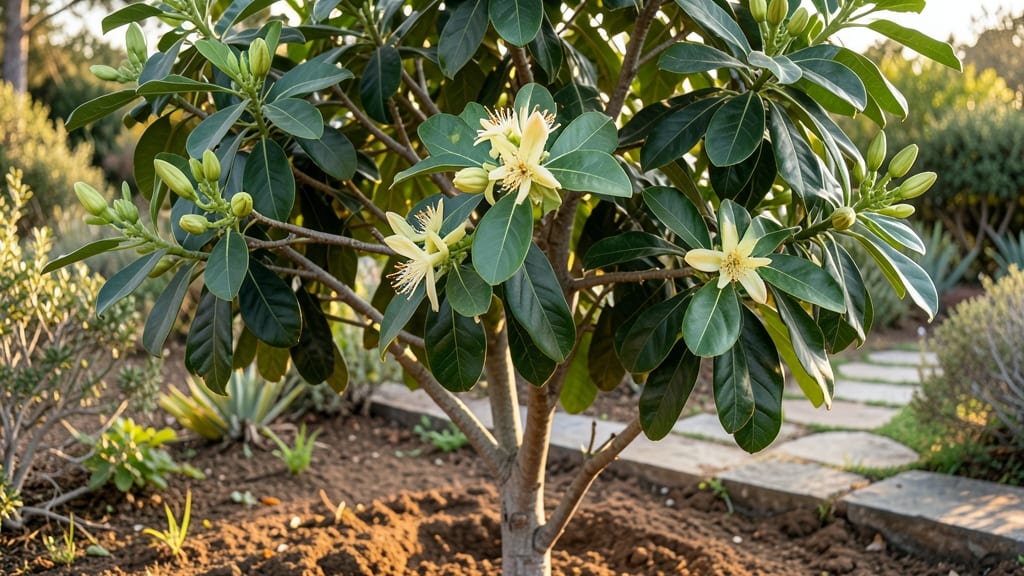
How to identify avocado flower types: male vs female vs sterile blooms
Avocado trees produce three distinct flower types—male, female, and sterile—but many gardeners struggle to tell them apart. Each type has unique physical traits and reproductive roles that directly impact your harvest.
Male flowers support pollination, female flowers develop fruit, while sterile blooms drain energy without producing anything. Here’s how to distinguish them with 90% accuracy using just a few visual clues.
Start by examining the flower structure. Male flowers are the easiest to spot because they feature prominent stamens (the pollen-producing parts) that resemble tiny green spikes. Female flowers, on the other hand, have a swollen pistil at the center, which looks like a tiny bulb or cone.
Sterile flowers lack both reproductive structures entirely, making them harder to identify at first glance. Pay close attention to these details to avoid misidentification.
Next, observe the color and scent. Male flowers often appear pale green or yellowish and emit a faint, sweet fragrance to attract pollinators. Female flowers tend to be purplish or darker green and may have a slightly stronger scent, though they’re less aromatic than males.
Sterile flowers usually blend into the tree’s natural foliage color, often appearing lighter or more muted than their fertile counterparts.
Now, let’s break down the key differences in a side-by-side comparison to make identification effortless:
One common mistake is confusing sterile flowers with female flowers because they often appear similar in color and shape. To avoid this, gently touch the center of the bloom. Female flowers will have a slightly bumpy or textured pistil, while sterile flowers feel smooth with no central structure.
This tactile check can save you from pruning away potential fruit producers!
Timing is another critical clue. Male flowers typically bloom first in the morning and last only 1-2 days, releasing pollen to attract pollinators like bees. Female flowers, however, open slightly later in the day and persist for 2-3 days, giving pollinators more time to transfer pollen.
Sterile flowers don’t follow this pattern—they appear randomly and
5 Simple checks to confirm avocado flower types in your garden
Avocado trees produce three distinct flower types—male, female, and sterile—but telling them apart can feel like solving a puzzle. The good news? You don’t need a microscope or lab equipment.
With just your eyes and fingers, you can identify each type in under 5 minutes. This skill is critical because sterile flowers waste energy, while female flowers hold the key to your harvest.
Regional varieties like Mexican or Hass avocados may bloom at different times, but the visual checks remain the same. For example, Type A trees (like Hass) bloom in late spring, while Type B (Mexican) trees bloom in early spring.
Understanding these patterns helps you time your pollination efforts for maximum fruit set.
Here’s how to decode your avocado blooms using just five simple checks:
-
1. Petal Shape & Size
Male flowers have 6 elongated petals (1-1.5 inches long) with prominent stamens. Female flowers feature shorter, rounded petals (0.5 inches) and a visible pistil. -
2. Scent & Texture
Male blooms emit a sweet, musky scent and feel velvety to the touch. Female flowers are scentless and slightly rougher. -
3. Bloom Timing
Male flowers open first (morning) and wilt by afternoon. Female flowers stay open 24-48 hours, often lasting into the next day. -
4. Cluster Formation
Male flowers grow in dense clusters (10-20 blooms per branch). Female flowers appear in smaller groups (3-5 blooms) and may share branches with sterile flowers. -
5. Finger Test for Reproductive Parts
Gently separate petals: male flowers reveal 6 stamens (pollen-producing). Female flowers have a pistil (bulbous base). Sterile flowers lack both.
Pro tip: Sterile flowers often mimic female blooms but lack a pistil. They’re a red flag—your tree is wasting energy on non-fruiting blooms. If you spot more than 30% sterile flowers, consider pruning them to redirect nutrients to female blooms.
Regional differences matter too. In cooler climates (like California’s inland areas), Hass trees may produce more male flowers to ensure cross-pollination. Meanwhile, Mexican varieties in warmer zones (e.g., Florida) often balance male and female blooms more evenly. Keep a bloom journal to track patterns in your microclimate.
Once you master these checks, you’ll spot the best pollination windows—when male and female flowers overlap. For container growers, hand-pollinate with a soft brush to transfer pollen between branches if your tree lacks a pollination partner. Your future avocado harvest depends on it! 🌸